
Beautiful Plants For Your Interior
Beautiful Plants For Your Interior
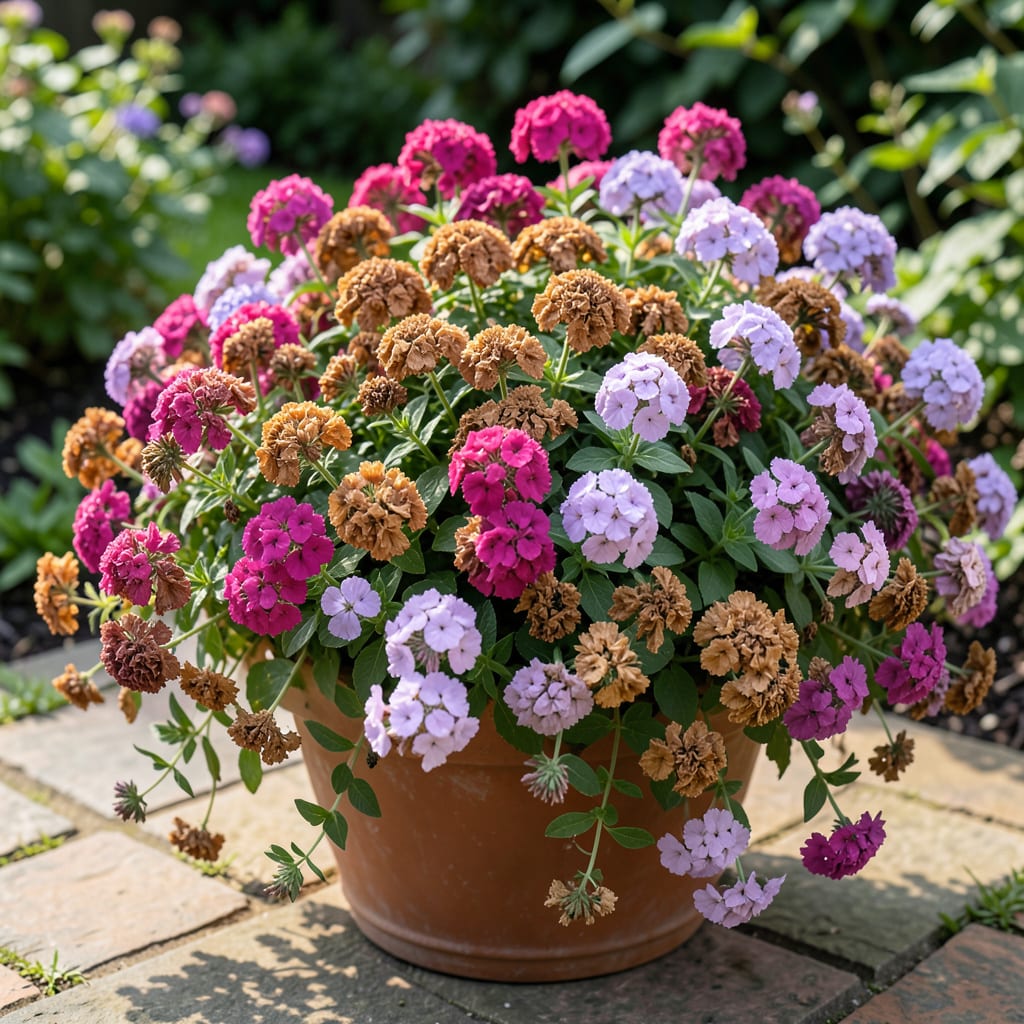
Your creeping phlox looked vibrant last week, now it’s crispy and brown. I’ve been there—watching healthy ground cover turn into a sad, dried-out mess in days.
The usual suspects are overwatering, fungal infections, or environmental stress. Too much water suffocates roots, while fungal spots spread fast in damp conditions. Heat waves or poor soil drainage can also trigger the decline.
Here’s the thing—this is fixable. Adjust your watering, improve airflow, and check the soil. Most plants bounce back within 2-3 weeks with the right care.
Works for established patches or new plantings. Let’s diagnose and revive your phlox.
Creeping phlox (Phlox subulata) is a hardy ground cover, but several key stressors can cause its foliage to turn brown. Below are the most common culprits, explained scientifically for quick diagnosis and action.
Excess moisture suffocates the roots by displacing oxygen in the soil, leading to root rot. Phlox thrives in well-draining soil; soggy conditions encourage fungal pathogens like Phytophthora or Pythium, which decay root tissues. The plant responds by browning at the base first, then spreading upward.
Action: Reduce watering frequency and amend heavy clay soil with compost or sand to improve drainage.
Foliage browning often signals fungal infections such as powdery mildew (Erysiphe spp.) or leaf spot (Septoria spp.). These thrive in humid, poorly ventilated environments. Powdery mildew appears as white dusty patches, while leaf spot causes dark, water-soaked lesions that turn brown and crisp.
Action: Prune dense growth to increase airflow, avoid overhead watering, and apply fungicides like neem oil or copper-based sprays at first signs.
Intense sunlight or drought can scorch leaves, turning them brown and brittle—a condition called sunscald or desiccation. Phlox prefers full sun to partial shade; in extreme heat, transpiration exceeds water uptake, leading to tissue death.
Action: Provide afternoon shade in hot climates and mulch around the base to retain soil moisture.
A lack of essential nutrients, particularly potassium or magnesium, can cause leaf edges to brown and curl. Potassium deficiency often manifests as yellowing between veins before browning, while magnesium deficiency shows as interveinal chlorosis in older leaves.
Action: Conduct a soil test and amend with balanced fertilizer or potassium-rich supplements like greensand.
Here’s how to nurse your creeping phlox back to health, with targeted fixes for the most common issues:
If soggy soil is the culprit, stop watering immediately and let the top 1-2 inches of soil dry out. Improve drainage by amending heavy clay soil with compost or sand. For potted phlox, ensure containers have drainage holes and use a well-draining potting mix. Prevention tip: 💡 Water only when the soil feels dry to the touch—creeping phlox prefers slightly dry conditions over wet feet.
Remove and discard brown or spotted foliage to stop the spread. Apply a copper-based fungicide or a homemade mix of 1 tsp baking soda + 1 quart water + a drop of dish soap, spraying every 7-10 days until symptoms fade. Space plants 12-18 inches apart for better airflow. Prevention tip: ✨ Water at the base in the morning so leaves dry quickly, and avoid overhead sprinkling.
If leaves are crispy and brown at the edges, your phlox may be getting too much direct afternoon sun. Relocate plants to a spot with morning sun and afternoon shade, or provide temporary shade with a light fabric cover. Mulch around the base to retain moisture. Prevention tip: 🌡️ In hot climates, choose varieties like Phlox subulata ‘Emerald Blue’ that tolerate heat better.
Inspect undersides of leaves for tiny pests or webbing. Blast them off with a strong stream of water, or treat with neem oil or insecticidal soap. Repeat every 5-7 days until pests are gone. Prevention tip: 🎯 Encourage beneficial insects like ladybugs by planting companion flowers like marigolds.
With these fixes, your creeping phlox should bounce back with vibrant, healthy foliage!
Water deeply once per week, allowing the top 1-2 inches of soil to dry between waterings. Overwatering causes root rot, which turns leaves brown.
Fungal browning starts as dark spots or white powdery patches, then spreads into crispy brown areas. Check for humidity or poor airflow.
Yes, intense afternoon sun can scorch leaves, creating dry, brown edges. Provide afternoon shade in hot climates.
Trim affected foliage to 1/3 of its height to encourage new growth. Remove all brown, diseased parts to prevent spread.
