
Beautiful Plants For Your Interior
Beautiful Plants For Your Interior
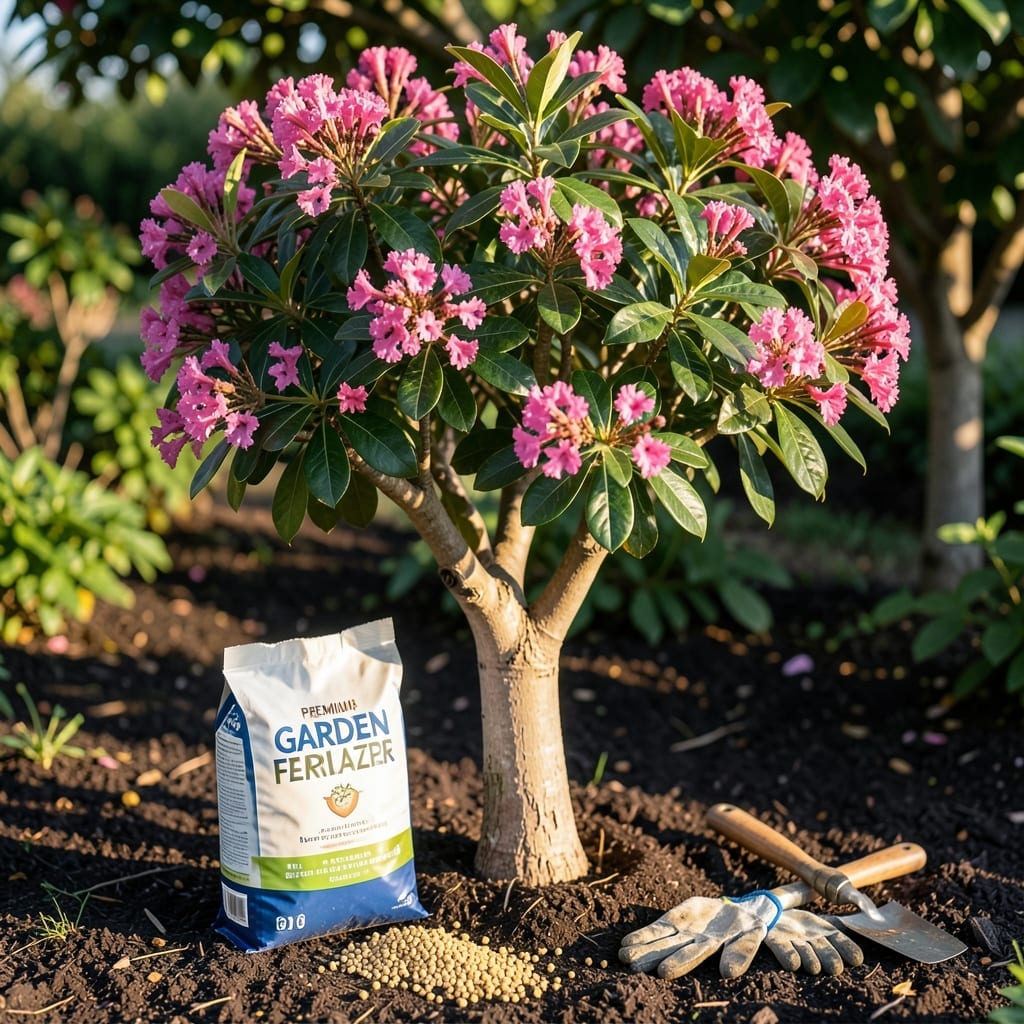
Tired of seeing your 🌳 Crape Myrtle underperform with weak blooms and stunted growth? The right feeding strategy can transform it into the garden centerpiece you’ve always wanted.
I’ve discovered that most gardeners miss the key timing and formulation that makes all the difference. Your Crape Myrtle isn’t just surviving – it’s waiting for the proper nourishment to thrive.
What if I told you that 3 simple adjustments to your fertilization approach could double your bloom production? It’s not about working harder, but working smarter with your plant’s natural cycles.
Let me walk you through the proven methods that will have your neighbors asking for your secret. We’ll start with understanding exactly what your Crape Myrtle craves.
Choosing the right crape myrtle fertilizer can make all the difference in achieving vibrant blooms and healthy growth. I’ve found that the best options depend on your plant’s specific needs and the season.
For most gardeners, a balanced NPK ratio like 10-10-10 or 8-8-8 works wonders. These provide equal parts nitrogen, phosphorus, and potassium to support foliage, roots, and flowers. 🌳
| Fertilizer Type | NPK Ratio | Best For | Season |
|---|---|---|---|
| Slow-Release Granular | 10-10-10 | Steady growth | Spring, Summer |
| Organic Compost | Varies | Soil health | Year-round |
| Liquid Bloom Booster | 12-4-8 | Vibrant flowers | Early Summer |
| Balanced All-Purpose | 8-8-8 | General care | Spring, Fall |
I always recommend slow-release granular fertilizers for beginners. They’re easy to apply and provide consistent nutrients over weeks. Just sprinkle around the drip line and water in. 🌿
Organic options like compost or worm castings improve soil structure while feeding. They’re perfect for gardeners who prefer natural solutions and want to build long-term soil health.
For maximum blooms, a liquid fertilizer with higher phosphorus (the middle number in NPK) can work wonders. I use these every 2-3 weeks during the growing season for an extra boost.
Remember, soil pH matters. Crape myrtles thrive in slightly acidic soil (pH 6.0-6.5). Test your soil first—it’s a game-changer for fertilizer effectiveness.
If your crape myrtle isn’t blooming, it might need more phosphorus. Look for fertilizers with a higher middle number, like 7-9-5, to encourage flower production.
For dwarf varieties, use half the recommended dose. These smaller plants don’t need as much fertilizer but still benefit from regular feeding for optimal performance. ✂️
Always water deeply after applying granular fertilizer to help it reach the roots. This prevents burning and ensures the nutrients are absorbed where they’re needed most.
Finally, avoid fertilizing in late fall or winter. Your crape myrtle needs time to harden off before dormancy, and late feeding can stimulate tender growth that’s vulnerable to frost.
Timing is everything when feeding your crape myrtles. I recommend starting in early spring just as new growth appears, giving your plants the nutrients they need for the growing season ahead.
For best results, apply fertilizer every 4-6 weeks through summer, tapering off in early fall to avoid encouraging new growth before winter dormancy.
The application method matters too. I prefer granular fertilizers for their slow-release properties, but liquid feeds work well for quick nutrient boosts during bloom time.
Always apply in the early morning when soil is moist, and water thoroughly after to help nutrients reach the root zone. This prevents burn and ensures even distribution.
For dosage, follow package instructions but generally use 1 lb per 100 sqft of garden space. Remember that over-fertilizing can lead to leafy growth at the expense of blooms.
Finally, consider a soil test before your first application. This helps identify any deficiencies and allows you to choose the most appropriate fertilizer blend for your specific crape myrtle needs. 🌳