
Beautiful Plants For Your Interior
Beautiful Plants For Your Interior
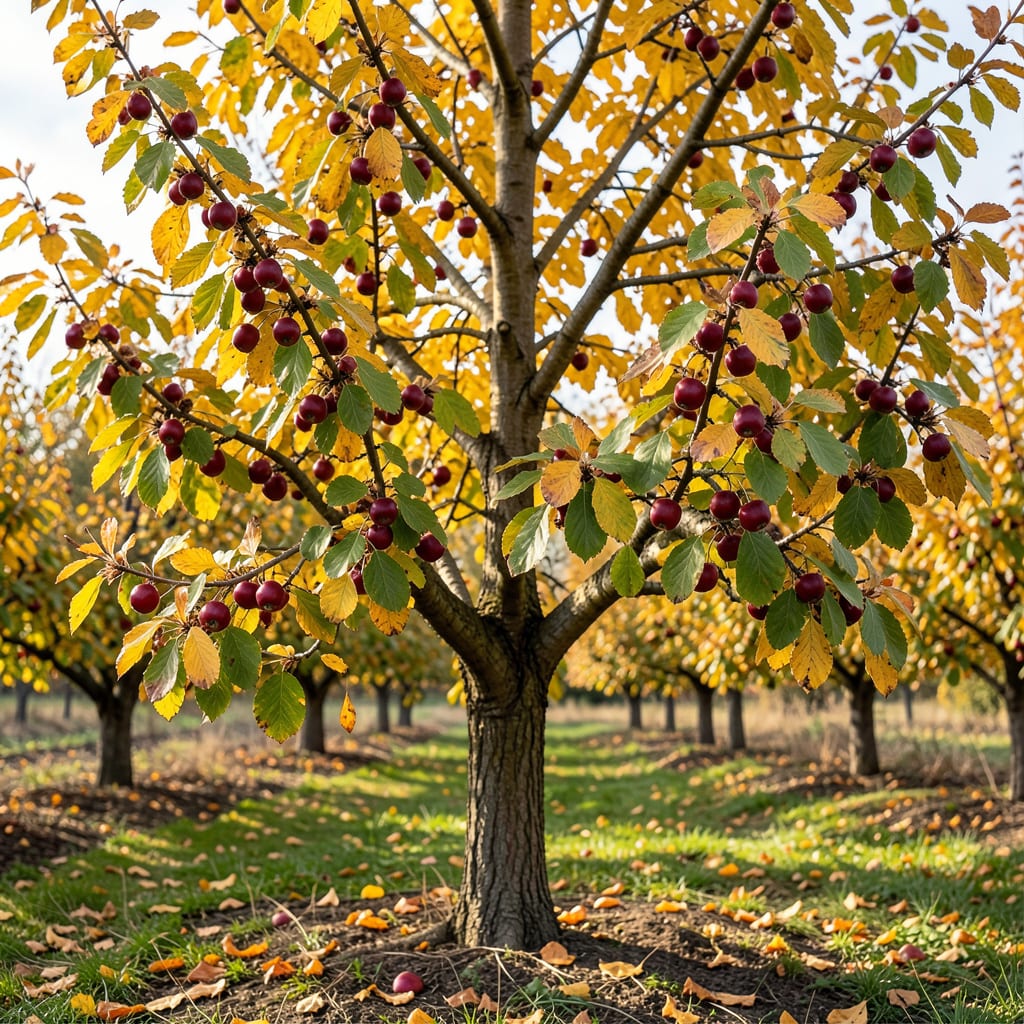
Yellow leaves on your crabapple tree aren’t just unsightly—they’re your tree shouting for help. I’ve seen this exact problem turn a vibrant green canopy into a sad yellow mess in just a few weeks.
Most times, it’s not one dramatic issue but a combination of stressors: poor soil, sneaky pests, or even too much love in the form of water. The good news? Once you identify the culprit, the fix is often simpler than you’d think.
With the right approach, you can stop the yellowing in its tracks and nurse your tree back to health. I’ve rescued more than a few crabapples from the brink with just a few targeted tweaks.
Here’s how to play detective and give your tree the come-back it deserves.
Crabapple trees are generally hardy, but yellowing leaves often signal an underlying issue. Here are the most common causes and the science behind them:
Yellow leaves, especially between the veins, often point to nitrogen, iron, or magnesium deficiency. Nitrogen is essential for chlorophyll production, and when lacking, older leaves turn yellow first. Iron deficiency (common in alkaline soils) causes younger leaves to yellow while veins stay green. A soil test can confirm which nutrient is missing, allowing targeted fertilization.
Too much water suffocates roots, reducing oxygen uptake and nutrient absorption. This stress triggers chlorosis (yellowing) as the tree struggles to photosynthesize. Check soil moisture—if it’s soggy or emits a foul odor, root rot may be the culprit. Improve drainage with organic matter or adjust watering habits.
Crabapples are prone to apple scab and cedar-quince rust, which cause yellowing, spotting, or premature leaf drop. These fungi thrive in wet conditions, infecting leaves and disrupting their function. Remove fallen leaves and debris, and apply fungicide in early spring to prevent spread.
Sap-sucking pests like aphids or spider mites weaken the tree by robbing it of nutrients. Their feeding damage often appears as yellow stippling or curling leaves. Inspect undersides of leaves for pests or webbing, and treat with horticultural oil or insecticidal soap if detected.
Extreme heat, drought, or sudden temperature swings can stress the tree, leading to yellowing. Crabapples prefer full sun but may scorch in intense heat without adequate water. Mulch heavily to retain soil moisture and shield roots from temperature extremes.
If your crabapple tree’s leaves are turning yellow, act fast to restore its health. Below are targeted solutions for common causes, along with prevention tips to keep your tree thriving.
Yellow leaves often signal a lack of nitrogen, iron, or magnesium. Test your soil with a kit to confirm deficiencies. Apply a balanced, slow-release fertilizer (10-10-10) in early spring or fall. For iron shortages, use chelated iron supplements. Prevention tip: 💡 Fertilize annually and mulch with compost to maintain nutrient-rich soil.
Both too much and too little water stress the tree. Check soil moisture 2 inches deep—it should feel slightly damp but not soggy. Water deeply once a week (more in extreme heat) and ensure proper drainage. If the soil is waterlogged, improve drainage with organic matter or a French drain. Prevention tip: 🌡️ Use a moisture meter to avoid guessing.
Inspect leaves for aphids, mites, or fungal spots. Spray infested areas with neem oil or insecticidal soap for pests. For fungal issues (like apple scab), apply a copper fungicide and remove fallen leaves to break the disease cycle. Prevention tip: ✨ Prune for airflow and space trees properly to reduce humidity.
Extreme heat, cold drafts, or poor soil pH can stress the tree. Shield it from harsh winds with a burlap wrap in winter. Test soil pH (ideal: 6.0–7.0); amend with lime (to raise pH) or sulfur (to lower pH) as needed. Prevention tip: 🎯 Plant crabapples in well-draining, sunny spots to minimize stress.
Yes, overwatering leads to root suffocation and poor nutrient uptake. Check if soil feels soggy or smells foul—these are signs of root rot. Improve drainage with organic matter.
Older leaves yellow first with nitrogen deficiency, while iron deficiency affects younger leaves with green veins. A soil test confirms the exact deficiency.
Severely damaged leaves won’t recover, but new growth will be healthy once you fix the underlying issue. Focus on correcting the problem to prevent further yellowing.
Sap-sucking pests like aphids or spider mites weaken the tree, causing yellow stippling. Inspect leaf undersides for pests or webbing.
