
Beautiful Plants For Your Interior
Beautiful Plants For Your Interior
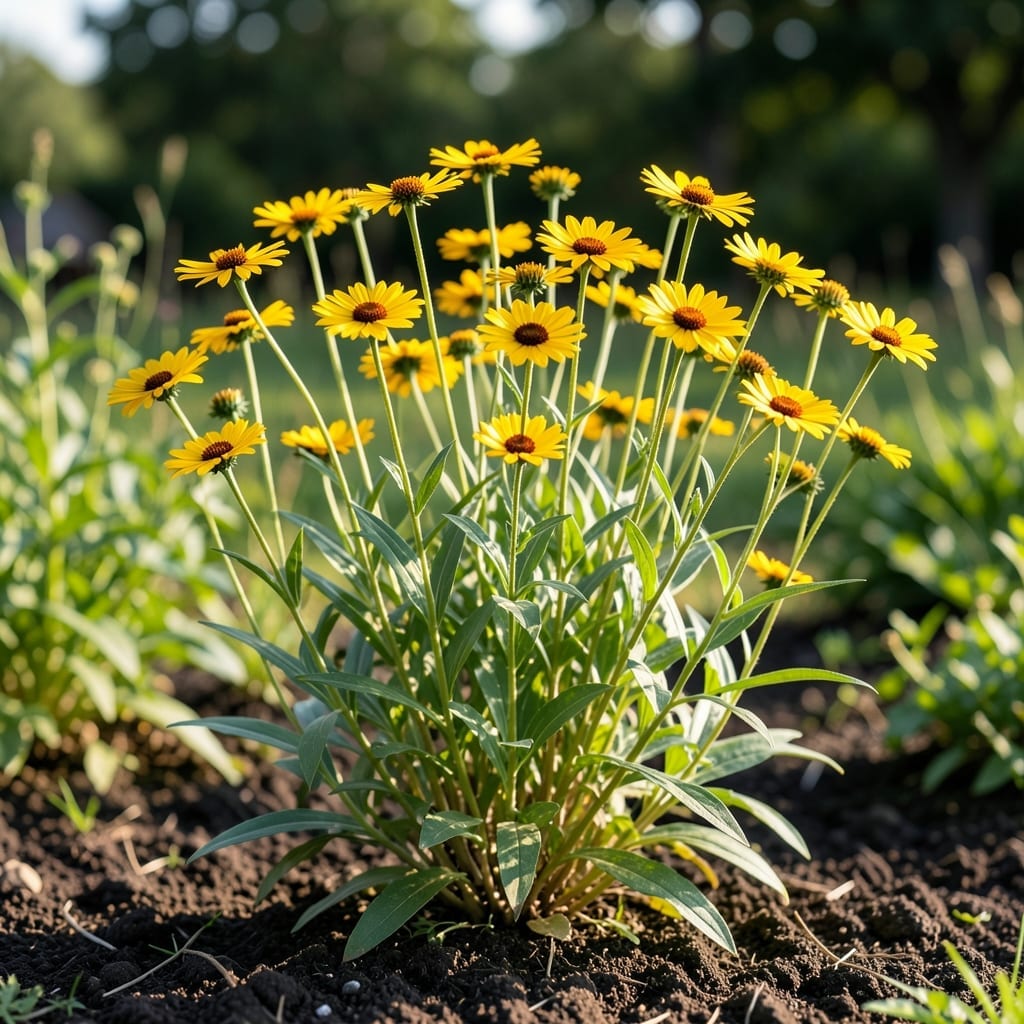
There’s nothing quite like watching your garden burst to life with the cheerful blooms of Coreopsis 🌼. These vibrant flowers bring a splash of yellow, red, and orange that can brighten any landscape.
But timing is everything when you want to enjoy their full beauty. Knowing when Coreopsis will flower helps you plan and care for them more effectively throughout the growing season.
I’ve learned that with the right approach, you can maximize their bloom period and keep your garden looking stunning for months. It’s all about understanding their natural rhythm and giving them what they need.
Discover how to make the most of your Coreopsis plants and enjoy their colorful display when it matters most.
If you’ve ever wondered when your coreopsis plants will burst into color, the answer depends on the variety. These cheerful perennials typically start blooming in early to mid-summer, with some varieties offering a second flush in fall.
I’ve found that Coreopsis grandiflora often leads the way with its bright yellow flowers appearing in late spring, while Coreopsis verticillata follows in early summer. The timing can shift slightly based on your climate and care.
| Variety | Bloom Start | Peak Season | Rebloom Potential |
| Grandiflora | Late Spring | Early Summer | Yes, with deadheading |
| Verticillata | Early Summer | Mid Summer | Yes, if trimmed |
| Lanceolata | Early Summer | Mid to Late Summer | Moderate |
| Tin Man | Mid Summer | Late Summer | Limited |
The Coreopsis grandiflora is a favorite for its early bloom time and ability to thrive in USDA zones 4-9. It often starts flowering in May or June, making it a great choice for early seasonal color.
For gardeners in cooler climates, Coreopsis verticillata is a reliable performer. It typically begins its flowering display in June, with blooms lasting well into July. This variety is also drought-tolerant once established.
If you’re looking for late-season color, consider Coreopsis lanceolata. Its blooms often appear in July and August, and with proper care, it can produce a second wave of flowers in early fall.
I always recommend deadheading spent blooms to encourage prolonged flowering. This simple practice can extend the bloom period for most coreopsis varieties by several weeks.
Another tip is to plant in full sun and ensure well-draining soil. Coreopsis thrives in these conditions, and you’ll see a noticeable difference in both the quality and duration of the blooms.
For those in warmer regions, Coreopsis tin man might start blooming earlier, sometimes as early as late spring. However, it’s less likely to rebloom compared to other varieties, so plan accordingly.
By selecting a mix of early, mid, and late-blooming coreopsis varieties, you can enjoy continuous color in your garden from late spring through fall. This strategy ensures your garden stays vibrant all season long.
I love helping gardeners get the most from their Coreopsis plants. With a few simple tricks, you can stretch their vibrant display from early summer well into fall. These cheerful flowers are eager to please if you know how.
The secret lies in consistent care and understanding their natural growth cycle. Deadheading spent blooms is my top recommendation to encourage continuous flowering. This prevents the plant from putting energy into seed production instead of new blooms.
In my experience, pruning back your Coreopsis by about one-third in midsummer gives them a fresh start. This rejuvenation cut encourages new growth and a second wave of blooms. It’s like hitting the reset button on your plant’s flowering potential.
Don’t overlook the power of proper watering techniques. While Coreopsis is drought-tolerant once established, consistent moisture during the growing season keeps it producing flowers. I recommend watering at the base in the early morning.
The right fertilization schedule makes a noticeable difference too. I use a balanced 10-10-10 fertilizer every 4-6 weeks during the growing season. Remember, more isn’t better – over-fertilizing can lead to lush foliage but fewer blooms.
Finally, always plant your Coreopsis in the sunniest spot available. These sun-lovers thrive with at least 6 hours of direct sunlight daily. The more sun they get, the more abundant and long-lasting their colorful display will be 🌼