
Beautiful Plants For Your Interior
Beautiful Plants For Your Interior
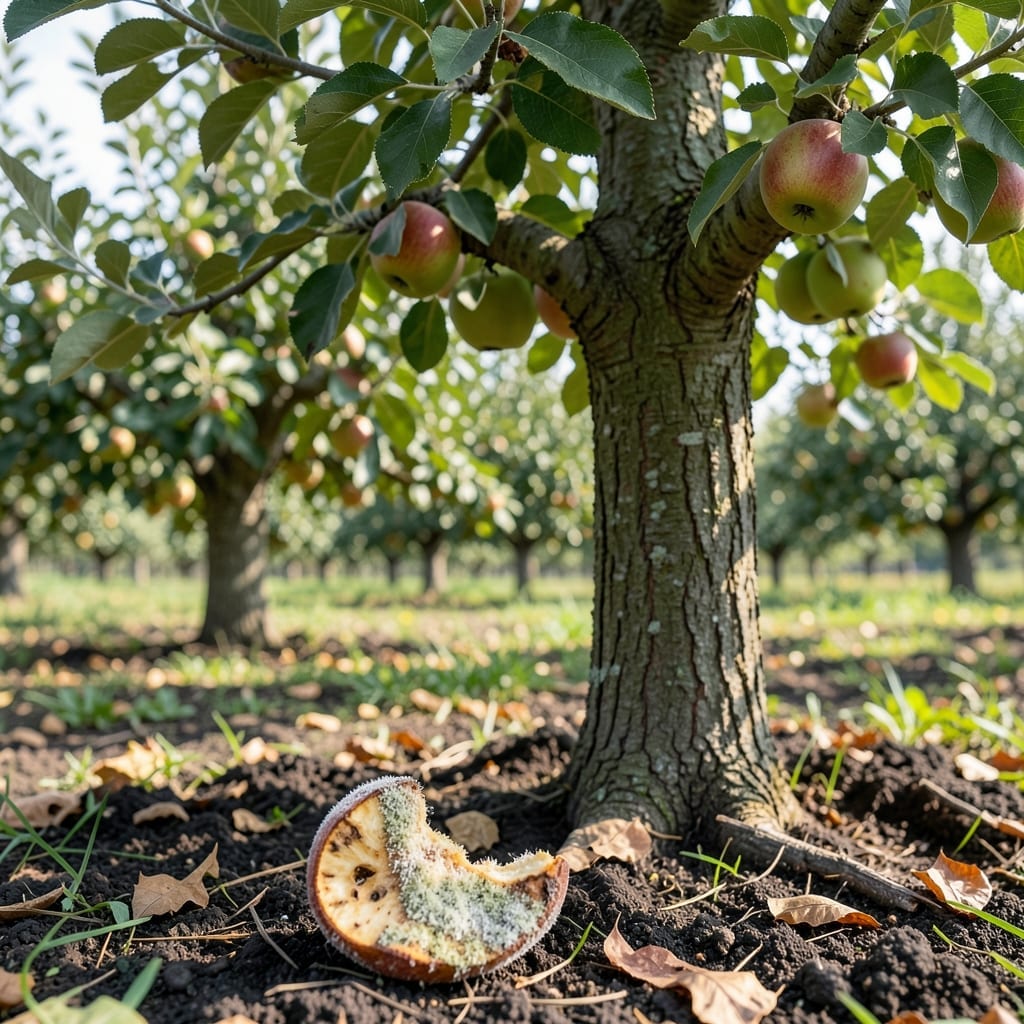
Nothing ruins a perfect apple like cutting into it and finding a moldy core. I’ve lost entire harvests to this issue before learning the simple fixes that prevent it from happening again.
This problem usually stems from fungal infections or poor storage conditions. The good news? With proper care during growth and harvest, you can keep your apples fresh and mold-free for weeks.
Start by inspecting your tree for signs of disease or damage, then remove any affected fruit immediately. A little attention now saves you from disappointment later.
Prevention is easier than you think—just a few adjustments to your routine can make all the difference. Let’s keep those apples crisp and clean.
Mold in the core of an apple is a common issue, but understanding why it happens can help you prevent it. Below are the primary causes, explained with scientific clarity and actionable insights.
Apples, like all fruits, are exposed to airborne fungal spores such as Penicillium or Alternaria. These spores land on the fruit’s surface and can enter through tiny cracks, bruises, or the stem cavity. Once inside, they germinate in the moist, nutrient-rich core, leading to mold growth. Actionable tip: Wash apples thoroughly before storage to remove surface spores.
Mold thrives in warm, humid environments. Storing apples in a damp or poorly ventilated space accelerates spoilage. Refrigeration slows fungal growth, but if apples are stored near ethylene-producing fruits (like bananas), they ripen and decay faster. Actionable tip: Keep apples in the fridge’s crisper drawer, away from ethylene emitters, and ensure low humidity.
Bruises, punctures, or cuts disrupt the apple’s natural protective skin, creating entry points for mold. Even minor damage during harvest or handling can introduce fungi. Actionable tip: Handle apples gently and inspect them for damage before storage. Discard any with visible wounds.
As apples overripen, their cellular structure breaks down, making them more susceptible to fungal invasion. The core, being softer than the flesh, is often the first area affected. Actionable tip: Consume apples within 1–2 weeks of purchase or freeze them for longer preservation.
Discovering a moldy apple core doesn’t always mean the whole fruit is ruined. Here’s how to handle it safely and prevent future issues:
If the mold is only in the core and the flesh looks and smells fresh:
If you see mold on the skin or flesh, or if the apple smells sour or fermented:
Pro tip ✨ Freeze apple slices for smoothies if you can’t use them in time—mold can’t grow in frozen fruit!
If the flesh looks and smells normal, you can cut out the core plus ½ inch of surrounding area. Eat or cook the rest immediately. Never store it afterward.
The core is softer and holds more moisture, making it the perfect spot for spores to grow. Fungal entry often happens through the stem cavity.
Store apples in the fridge in a perforated bag for airflow. Keep them dry and away from ethylene-producing fruits like bananas.