
Beautiful Plants For Your Interior
Beautiful Plants For Your Interior
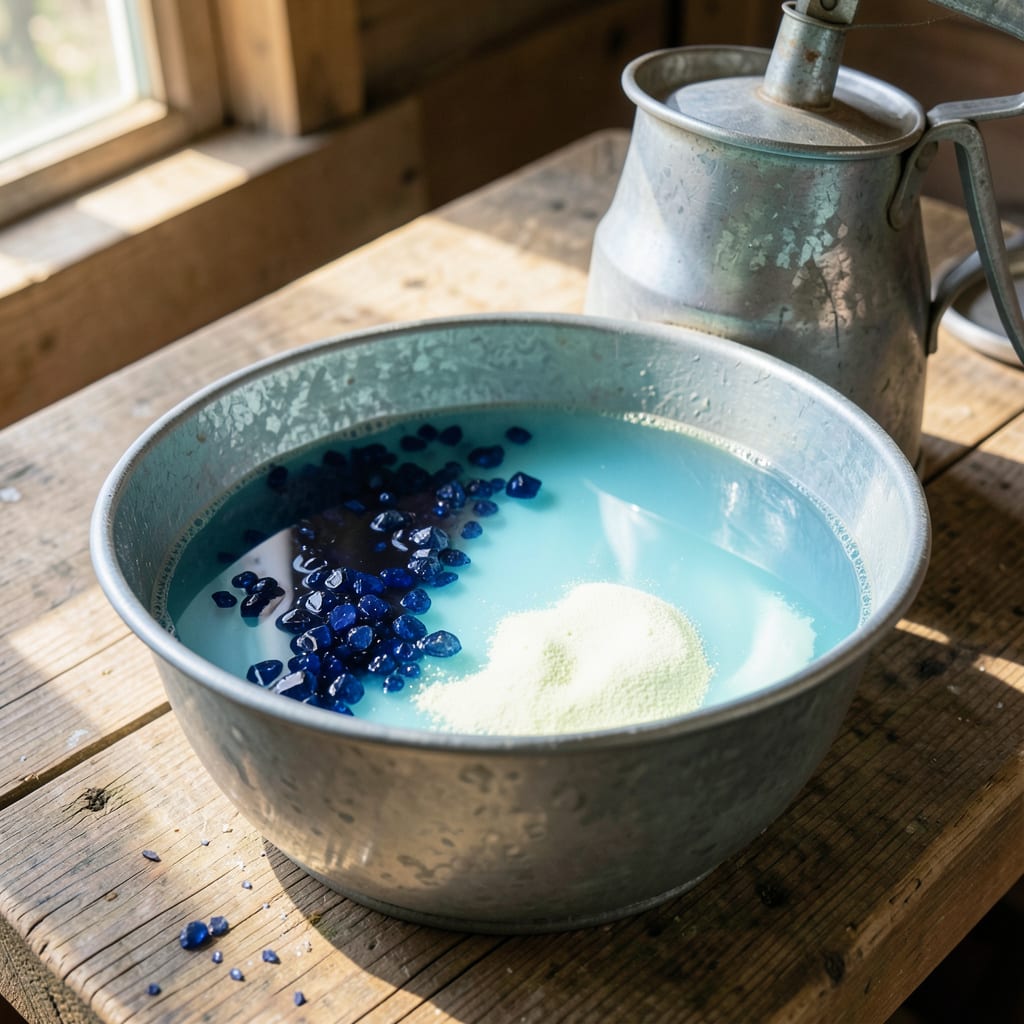
Those orange jelly-like galls on cedar trees spell trouble for your apples. Cedar apple rust spreads fast, turning leaves yellow and ruining fruit before you can harvest it.
I learned the hard way that timing is everything with this disease. Copper fungicide works best as prevention, not cure, and needs 4-6 applications from bud break through early summer.
You’ll see results in healthier foliage and fuller fruit sets. The key is consistent coverage—every leaf, every branch, especially after rain.
This method protects your trees without harsh chemicals. Just follow the schedule and watch your apples thrive.
Cedar apple rust is a complex fungal disease caused by Gymnosporangium juniperi-virginianae, which requires two host plants to complete its life cycle: juniper (cedar) and apple or crabapple. Understanding why it happens helps in targeting prevention and treatment, such as with copper fungicides.
The fungus alternates between juniper and apple hosts. In spring, spores from infected juniper trees (or cedars) release gelatinous horns during wet weather, which then infect nearby apple or crabapple trees. Without both hosts, the disease cannot thrive, but proximity between the two increases infection risk.
Warm, wet springs create the perfect environment for spore release and infection. Temperatures between 55–75°F (13–24°C) and prolonged leaf wetness (6+ hours) allow spores to germinate and penetrate apple foliage. High humidity further accelerates disease spread.
Some apple and crabapple cultivars lack genetic resistance to cedar apple rust. Varieties like Malus pumila (common apple) or ornamental crabapples are particularly vulnerable, especially when grown near juniper hosts. Planting resistant cultivars can reduce dependency on fungicides.
The fungus overwinters in juniper galls, which can remain dormant for years. In early spring, these galls swell and produce spores that infect apple trees. Removing juniper galls (or entire plants) near orchards disrupts the cycle and limits infections.
Cedar apple rust can wreak havoc on your trees, but with the right approach, you can stop it in its tracks. Here’s how to tackle the problem and keep it from coming back.
At the first sign of orange spots or galls, spray a copper-based fungicide on affected areas. This disrupts the fungus’s ability to spread. Use a fixed copper or copper sulfate formula, and apply it every 7–10 days during wet spring weather when spores are most active. Cover both sides of leaves and any visible galls for full protection.
If the infection is advanced, prune infected branches immediately. Remove galls from cedar hosts (like juniper) and destroy them—do not compost. Sterilize pruning tools with rubbing alcohol between cuts to avoid spreading spores. This physical removal reduces the fungus’s ability to reproduce.
Prevention Tip: 💡 Thin out dense foliage to improve air circulation, which discourages fungal growth.
Pro Tip: ✨ Rotate copper fungicides with other approved fungicides (like myclobutanil) to prevent resistance buildup in the fungus.
Apply every 7-10 days during wet spring weather. Start before symptoms appear and continue through early summer for best results. Consistency is key to breaking the disease cycle.
Yes, copper fungicide is safe for most fruit trees, including peaches and pears. Always check the label for specific crops and follow the recommended dosage. Avoid using on tender new growth.
Light rain won’t wash it off, but heavy rain within 24 hours may reduce effectiveness. Reapply if more than 1 inch of rain falls shortly after spraying.
Yes, sulfur-based sprays or neem oil can help, but they’re less effective than copper. For severe infections, copper remains the most reliable organic option.
