
Beautiful Plants For Your Interior
Beautiful Plants For Your Interior
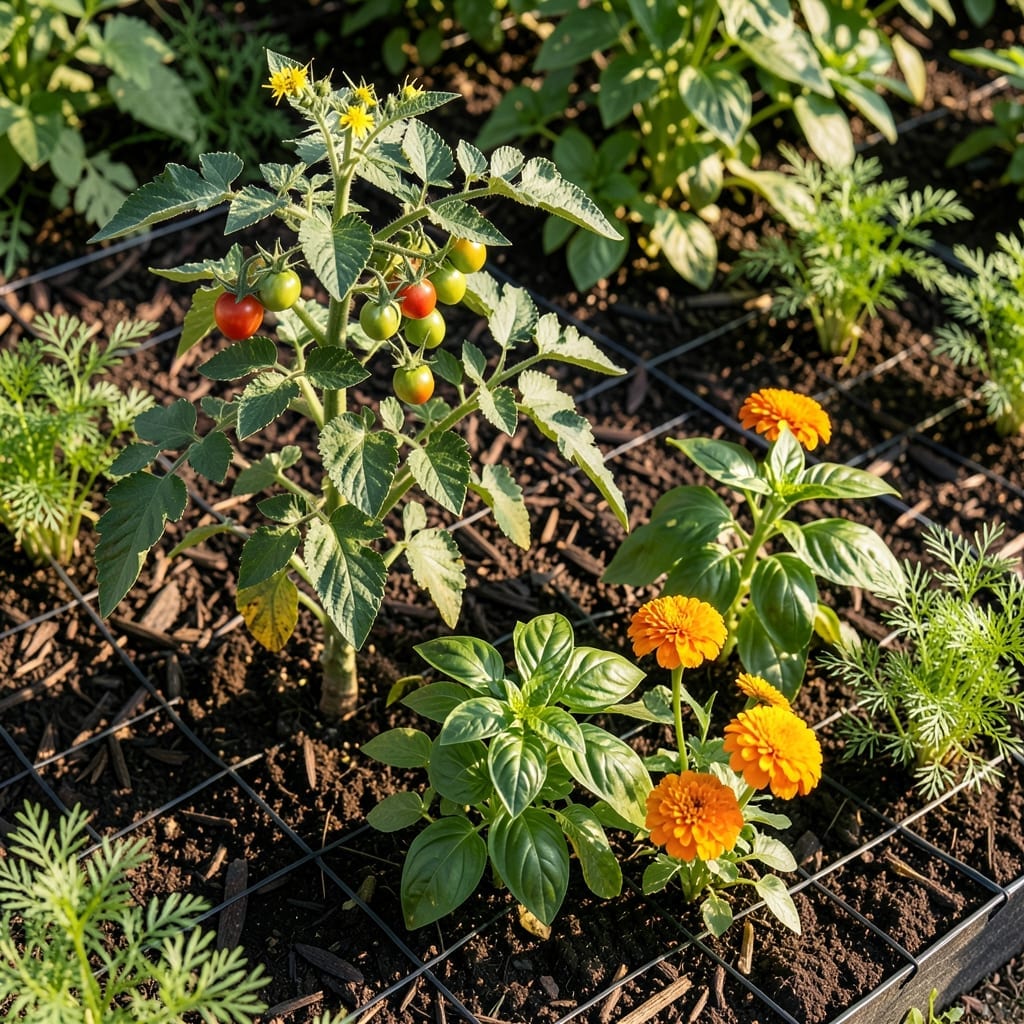
Imagine stepping into your garden and seeing plants that practically take care of each other. That’s the magic of a well-thought-out Companion Garden 🌱 layout, where strategic pairings do the heavy lifting for you.
No more struggling with pests or stunted growth—just healthier plants and bigger harvests with less effort. The key lies in understanding which plants thrive together and why.
I’ve tested countless combinations and seen firsthand how the right neighbors can transform a garden. From natural pest control to improved soil health, the benefits are undeniable.
Let me walk you through the most effective pairings and how to arrange them for maximum impact. Your garden will thank you.
I’ve found that strategic plant pairings can transform a garden from struggling to thriving. The right companion garden layout helps plants support each other, whether through pest control or nutrient sharing. For example, tomatoes and basil grow beautifully together—basil repels pests while enhancing tomato flavor.
Another classic pairing is carrots and onions. Onions deter carrot flies, while carrots help break up soil for onion roots. These mutual benefits create a balanced, low-maintenance garden that practically cares for itself. 🌱
| Primary Plant | Companion Plant | Benefit |
|---|---|---|
| Tomatoes | Basil | Repels pests, improves flavor |
| Carrots | Onions | Deters carrot flies |
| Corn | Beans | Beans fix nitrogen for corn |
| Cucumbers | Marigolds | Repels cucumber beetles |
I always recommend corn and beans as a power duo. Beans are nitrogen-fixers, enriching the soil for corn’s heavy feeding needs. This symbiotic relationship is a cornerstone of Three Sisters planting, a Native American technique.
Marigolds are another garden superhero. Plant them near cucumbers or squash to repel nematodes and beetles. Their bright blooms also attract pollinators, boosting overall garden health.
For leafy greens like lettuce, try interplanting with radishes. Radishes mature quickly, breaking up soil for lettuce roots while deterring pests. This pairing maximizes space efficiency in small gardens.
I’ve seen rosemary and cabbage work wonders too. Rosemary’s strong scent confuses cabbage moths, reducing damage without chemicals. Plus, rosemary’s drought tolerance makes it low-maintenance.
Don’t overlook herbs like dill and cabbage family plants. Dill attracts beneficial wasps that prey on cabbage worms. Just be sure to plant dill separately when it goes to seed to avoid overcrowding.
In my experience, nasturtiums are underrated. They act as a trap crop for aphids, luring pests away from your vegetables. Their edible flowers add color and a peppery flavor to salads.
Remember, a successful companion garden layout isn’t just about pairings—it’s about observing your garden’s unique needs and adjusting as you go. Start small, track what works, and expand your plant communities over time. 🌿
I’ve seen even experienced gardeners make companion planting mistakes that sabotage their efforts. One common error is pairing beans with onions—these two actually inhibit each other’s growth. Always check compatibility before planting.
Another frequent issue is overcrowding plants in an attempt to maximize space. This leads to poor air circulation and increased disease risk. Give each plant room to thrive based on its mature size.
⚠️ Avoid These Pairings
Beans + Onions: Stunted growth for both
Potatoes + Tomatoes: Share diseases easily
Cabbage + Strawberries: Compete for nutrients
Ignoring plant heights can also cause problems. Taller plants like corn or sunflowers might shade out smaller companions, starving them of essential sunlight. Plan your layout with heights in mind.
Don’t forget about soil needs. Some plants prefer acidic soil, while others thrive in alkaline conditions. Group plants with similar soil requirements to avoid conflicts.
Another mistake is neglecting pollinators. Without bee-friendly flowers, your vegetable plants may struggle to produce. Always include pollinator attractors like marigolds or borage.
Finally, rotating crops is essential. Planting the same companions in the same spot year after year can deplete soil nutrients and encourage pests. Keep your garden dynamic and balanced.
🌱