
Beautiful Plants For Your Interior
Beautiful Plants For Your Interior
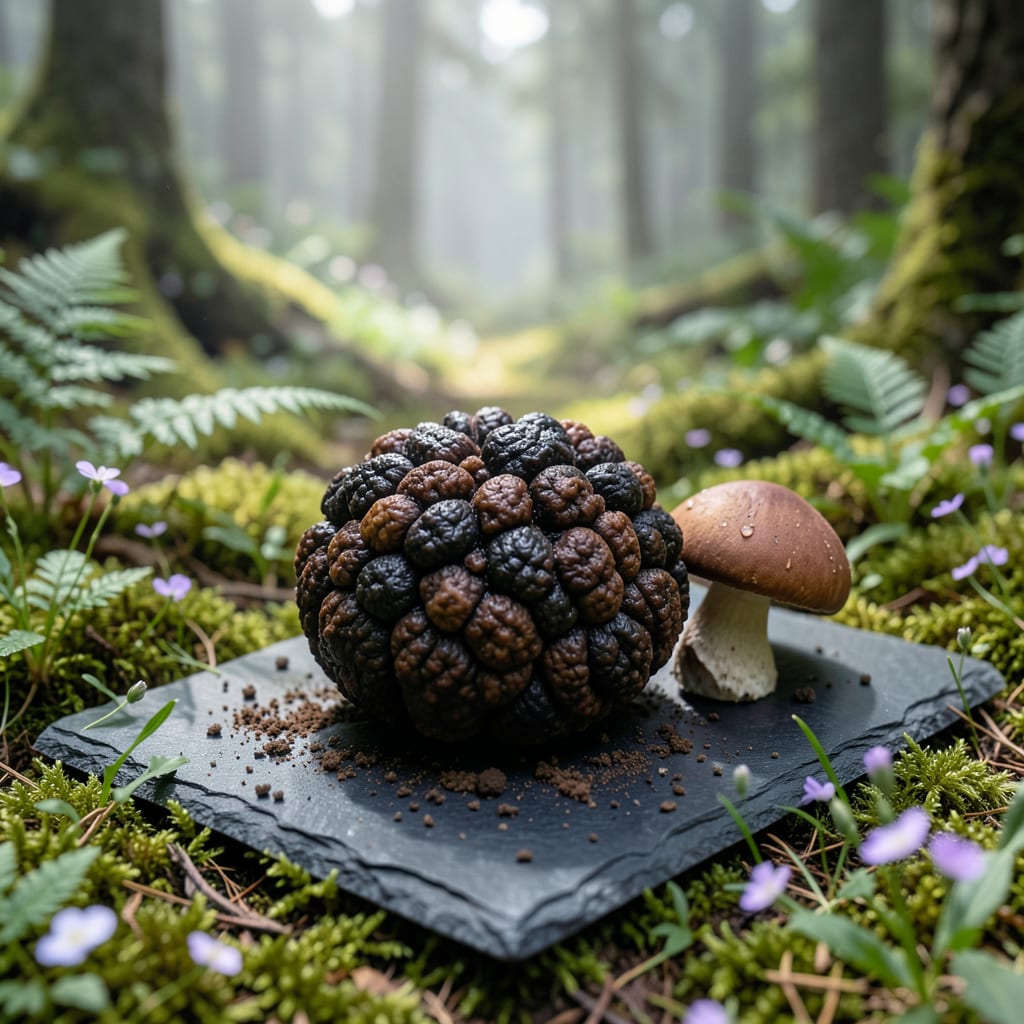
That weird brown ball in your lawn isn’t a rock. I found my first earth ball fungus last spring, perfectly round and looking like something from another planet.
These tough little puffballs pop up in lawns and garden beds, often after rain. They’re harmless to plants but can be a nuisance when they spread. The good news is, you can spot and remove them without chemicals.
Safe removal means wearing gloves and digging them out completely. Left alone, they’ll eventually burst, releasing spores that create more. It’s a simple fix but requires consistency.
Prevention is all about soil health. Improving drainage and reducing thatch helps keep them from coming back. A little effort now saves you a lot of digging later.
The common earth ball fungus (Scleroderma citrinum) thrives due to specific environmental and biological conditions. Below are the primary causes of its appearance in soils, lawns, and wooded areas.
This fungus flourishes in damp, poorly drained soils. Heavy rainfall, overwatering, or compacted soil that retains moisture creates the perfect breeding ground. The mycelium (fungal threads) spreads rapidly in saturated conditions, leading to the emergence of its distinctive brown, warty fruiting bodies.
Decaying organic matter, such as fallen leaves, wood chips, or dead roots, provides nutrients for Scleroderma citrinum. Gardens or lawns with thick layers of mulch or untreated compost are particularly susceptible. The fungus breaks down lignin and cellulose, thriving in these nutrient-rich, decomposing environments.
Earth ball fungi prefer temperate to subtropical regions with warm soil temperatures (60–75°F / 15–24°C) and high humidity. Late summer to early fall is peak season for growth, as these conditions accelerate spore germination and fruiting body development.
Unlike mycorrhizal fungi that benefit plants, Scleroderma citrinum is saprotrophic—it feeds on dead organic material. However, its presence often indicates soil with high organic content and microbial activity, which can indirectly support its lifecycle.
Actionable Tip: Improve drainage, remove excess mulch, and aerate compacted soil to discourage growth. Avoid overwatering and promptly clear decaying plant material to reduce spore sources.
Dealing with earthball fungi in your garden or lawn can be frustrating, but these practical solutions will help you reclaim your space safely. Below are targeted fixes for common causes, along with prevention tips to keep them from returning.
Earthballs thrive in wood chips, mulch, or decaying plant material. Rake up infected mulch or leaves and replace it with fresh, fungus-free material. For wooded areas, clear fallen branches and debris where moisture collects. Prevention tip: 💡 Use inorganic mulches like gravel in high-risk zones to discourage growth.
Standing water is a breeding ground for fungi. Aerate compacted soil with a garden fork and add compost to boost drainage. For lawns, regrade low spots or install a French drain. Prevention tip: 🌡️ Water early in the day so surfaces dry by evening, reducing fungal spores’ chances to settle.
Trim back dense shrubs or tree canopies to let sunlight reach the soil. Prune lower branches to improve airflow, which speeds up drying. For persistent patches, solarize the soil by covering the area with clear plastic for 4–6 weeks during hot months. Prevention tip: ✨ Plant shade-tolerant ground covers like clover to outcompete fungi naturally.
Earthball spores cling to tools, shoes, or pet paws. Clean garden tools with a 10% bleach solution after use in infected areas. Rinse soles of shoes or use disposable boot covers. Prevention tip: 🎯 Designate a “clean zone” near your garden entrance to minimize contamination.
Yes, but wear gloves as a precaution. While not toxic, handling may cause mild skin irritation for sensitive individuals. Always wash hands thoroughly after contact.
Earth balls have a thick, cracked brown exterior and solid white interior that turns black with age. True puffballs have a smooth surface and spongy white inside.
No, it’s saprophytic and feeds only on decaying organic matter. It won’t attack living plants or roots, but may indicate excess moisture or organic buildup in soil.
Avoid composting because spores may survive and spread. Dispose of them in sealed bags with household trash instead.
