
Beautiful Plants For Your Interior
Beautiful Plants For Your Interior
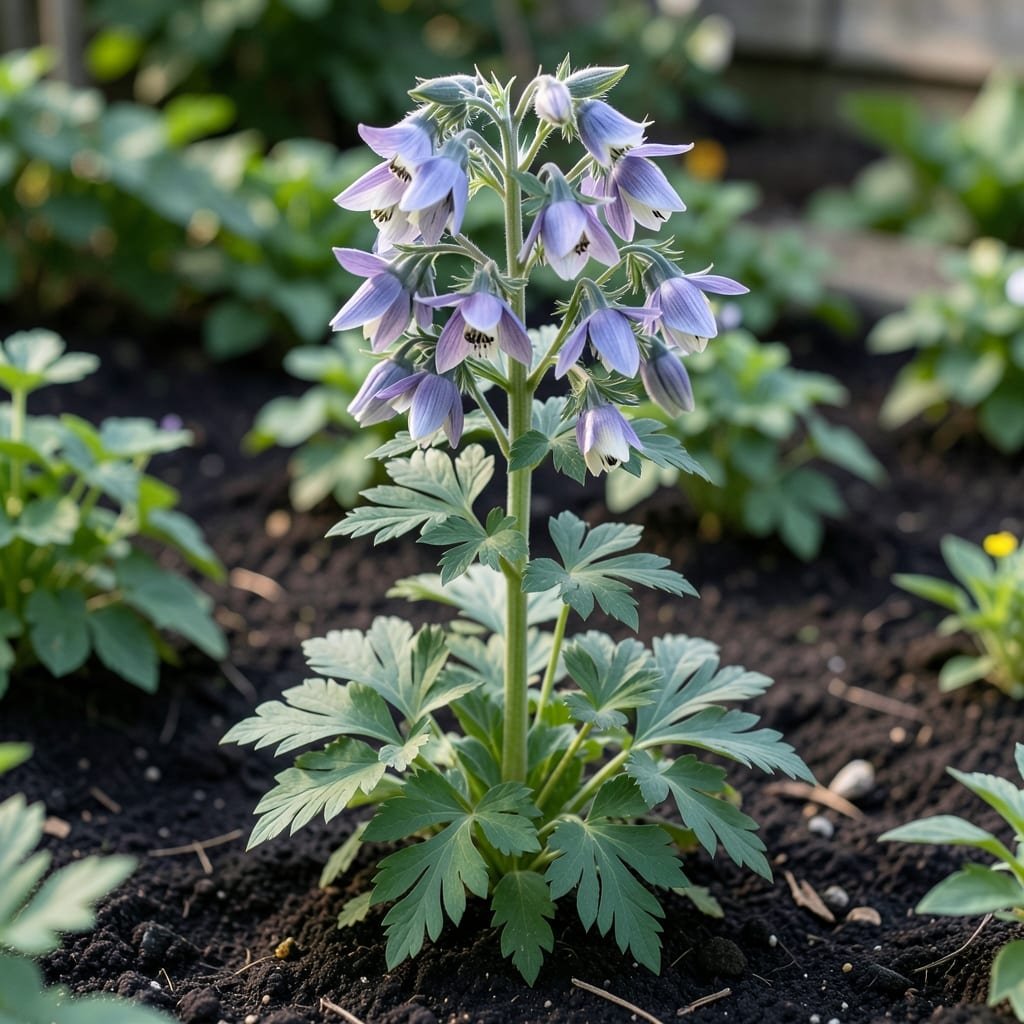
I lost my first columbine patch the hard way—one day blooming, the next just sad stems. Here’s the thing—these perennials should bounce back year after year, so if yours vanished, we need to play detective.
Between you and me, the usual suspects are crowded roots, soggy soil, or hungry deer. I’ve seen all three wipe out established plants in a single season. The good news? Each problem has a simple fix if you catch it early.
With the right adjustments, you can coax those delicate blooms back next spring. We’re talking about plants that thrive with minimal fuss once they’re happy in their spot.
Fair warning: some revival attempts take patience, but the payoff is worth every waited week.
Columbine flowers (Aquilegia) can suddenly drop and fail to regrow due to several environmental, biological, or cultural stressors. Here are the most common causes, explained scientifically:
Columbines thrive in cool to moderate temperatures (60–75°F). When exposed to prolonged heat above 85°F, the plant enters survival mode, shedding flowers to conserve energy. This is called thermal stress response. If the heat persists, the plant may not rebound until cooler weather returns. Action: Provide afternoon shade in hot climates or mulch to retain soil moisture.
Root rot from waterlogged soil is a silent killer. Columbines prefer well-draining soil with consistent moisture but despise soggy conditions. Fungal pathogens like Phytophthora attack roots, cutting off nutrient flow. Without healthy roots, the plant can’t sustain blooms. Action: Check soil moisture 2 inches deep—if it’s muddy, reduce watering and improve drainage with compost or sand.
Columbine sawfly larvae and aphids target foliage and stems, weakening the plant. Sawfly larvae (green caterpillars) devour leaves overnight, while aphids suck sap, leading to stunted growth and dropped flowers. Action: Handpick larvae or spray with neem oil or insecticidal soap. Encourage natural predators like ladybugs.
Columbines need 6+ hours of sunlight daily. In deep shade, they become leggy and fail to flower. This is due to etiolation—a process where plants stretch toward light, depleting energy reserves. Action: Relocate plants to a sunnier spot or thin nearby foliage to improve light penetration.
A lack of phosphorus (critical for flowering) or potassium (for overall vitality) can cause bud drop. Yellowing leaves may signal nitrogen deficiency, but columbines are light feeders—over-fertilizing (especially with high nitrogen) can also reduce blooms. Action: Use a balanced, low-nitrogen fertilizer (e.g., 5-10-5) in early spring.
If your columbine flowers dropped and never returned, don’t lose hope—these resilient perennials can often bounce back with the right care. Below are practical fixes for common issues, paired with prevention tips to keep them thriving.
Columbines hate soggy roots. If your soil is heavy clay or retains too much water, mix in compost or sand to improve drainage. Plant them in a raised bed if drainage is a recurring problem. Prevention tip: 💡 Always check soil moisture before watering—stick your finger an inch deep; if it’s dry, it’s time to water.
While columbines enjoy sun, intense afternoon heat can stress them, leading to wilting or dieback. Move them to a spot with partial shade (especially in hot climates) or use shade cloth during peak summer. Prevention tip: ✨ Mulch around the base to retain moisture and cool the roots.
Leaf miners, aphids, or fungal diseases (like powdery mildew) can weaken columbines. Spray with neem oil for pests or remove affected foliage to stop the spread. For mildew, improve air circulation by spacing plants 12–18 inches apart. Prevention tip: 🎯 Water at the base (not overhead) to reduce fungal risks.
In cold climates, columbines may disappear after a harsh winter but often regrow from the crown. Apply a 2-inch layer of mulch (straw or shredded leaves) in late fall to insulate the roots. Prevention tip: 🌡️ Avoid pruning back foliage until spring—it protects the plant over winter.
Inconsistent moisture can stress columbines. Water deeply once a week (more in extreme heat) and let the topsoil dry between waterings. Prevention tip: 💧 Use a drip irrigation system for even, targeted watering.
With these fixes, your columbines should rebound—and with proper care, they’ll return year after year, blooming beautifully.
Yes! Columbines wilt under heat above 85°F or freeze in harsh winters. Mulch protects roots from temperature swings, and afternoon shade helps in hot climates.
Check for chewed leaves or sticky residue. Sawfly larvae and aphids are common culprits. Treat with neem oil and encourage ladybugs for natural control.
If the crown is healthy, they often rebound. Trim dead foliage in spring, and ensure well-draining soil to prevent rot.
Water deeply once a week, letting the topsoil dry between sessions. Avoid overhead watering to prevent fungal diseases.