
Beautiful Plants For Your Interior
Beautiful Plants For Your Interior
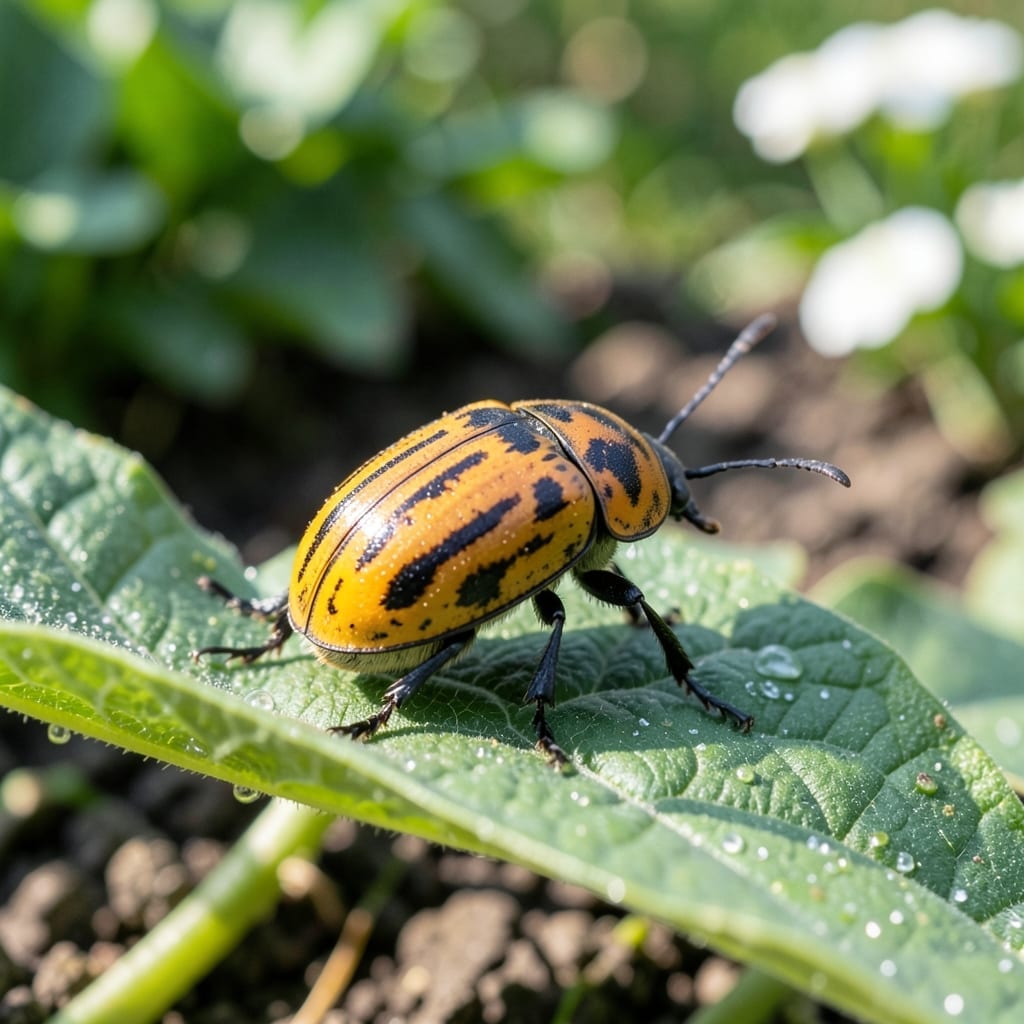
Those striped invaders wrecked my potato crop last summer. I tried everything until I discovered a foolproof organic method that actually works.
Colorado potato beetles multiply fast, and their larvae are even hungrier. The key is early action before they establish. Neem oil disrupts their life cycle without harming beneficial insects.
You’ll see beetles curling up and dropping off within 24-48 hours of application. The spray also prevents new adults from laying eggs, breaking the cycle.
Best part? It protects potatoes, tomatoes, and eggplants without chemicals. Here’s exactly how to mix and apply it.
The Colorado potato beetle (Leptinotarsa decemlineata) thrives due to a mix of biological, environmental, and agricultural factors. Understanding these root causes helps you disrupt its life cycle organically.
Large, single-crop plantings of potatoes, tomatoes, or eggplants create an all-you-can-eat buffet for beetles. Without diverse plant species, natural predators (like ground beetles or parasitic wasps) lack habitat, allowing beetle populations to explode unchecked.
Warmer winters reduce overwintering mortality, letting more adults survive to lay eggs in spring. Rising temperatures also speed up beetle development, leading to 2–3 generations per year instead of one. This rapid reproduction overwhelm organic defenses.
Past reliance on synthetic pesticides can backfire by killing beneficial insects that naturally control beetle larvae. This creates a vacuum where Colorado potato beetles face zero resistance, making organic transitions temporarily vulnerable until ecosystems rebalance.
Beetles burrow into soil or hide under plant debris to survive winter. Leaving potato culls or unharvested tubers in the field provides food and shelter, ensuring next season’s infestation. Cleanup is critical to break this cycle.
Tackling Colorado potato beetles organically means combining smart prevention with targeted fixes. Here’s how to address the most common issues and keep your garden thriving without harsh chemicals.
If you spot beetles or their orange larvae on leaves, act fast. Drop them into a bucket of soapy water to drown them. Do this early in the morning or late evening when beetles are less active. Prevention tip: Inspect plants daily during peak season (May–July) to catch infestations early.
Neem oil disrupts the beetle’s life cycle and deters feeding. Mix 1–2 tbsp of neem oil with 1 tsp of mild soap (as an emulsifier) in a gallon of water. Spray thoroughly on both sides of leaves, focusing on undersides where eggs and larvae hide. Reapply every 5–7 days or after rain. Prevention tip: Start spraying before beetles appear to create a protective barrier.
Attract beneficial insects like ladybugs, ground beetles, and parasitic wasps by planting companion flowers (e.g., marigolds, alyssum, or dill). These predators feed on beetle eggs and larvae. Prevention tip: Avoid broad-spectrum pesticides that harm helpful bugs.
Lightweight floating row covers physically block beetles from reaching plants. Secure edges with soil or weights to prevent gaps. Remove covers during flowering to allow pollination. Prevention tip: Deploy covers immediately after planting to stop beetles before they lay eggs.
Beetles overwinter in soil, so rotate potatoes, tomatoes, and eggplants to new locations each year. Plant early-maturing potato varieties to harvest before beetle populations peak. For a decoy, grow sacrificial trap crops (like Lambsquarters) away from your main garden to lure beetles away. Prevention tip: Remove and destroy trap plants (and beetles) once infested.
💡 Pro tip: Combine multiple methods for best results—neem oil works even better when paired with handpicking and row covers!
Reapply neem oil every 5–7 days or after rain. Consistency is key to disrupting the beetle life cycle.
Early morning or late evening works best when beetles are less active. Drop them in soapy water to prevent escape.
Remove covers during flowering for pollination. Secure edges tightly to prevent beetle entry before that.
Plant marigolds, alyssum, or dill to attract natural predators. These also help mask the scent of host plants.