
Beautiful Plants For Your Interior
Beautiful Plants For Your Interior
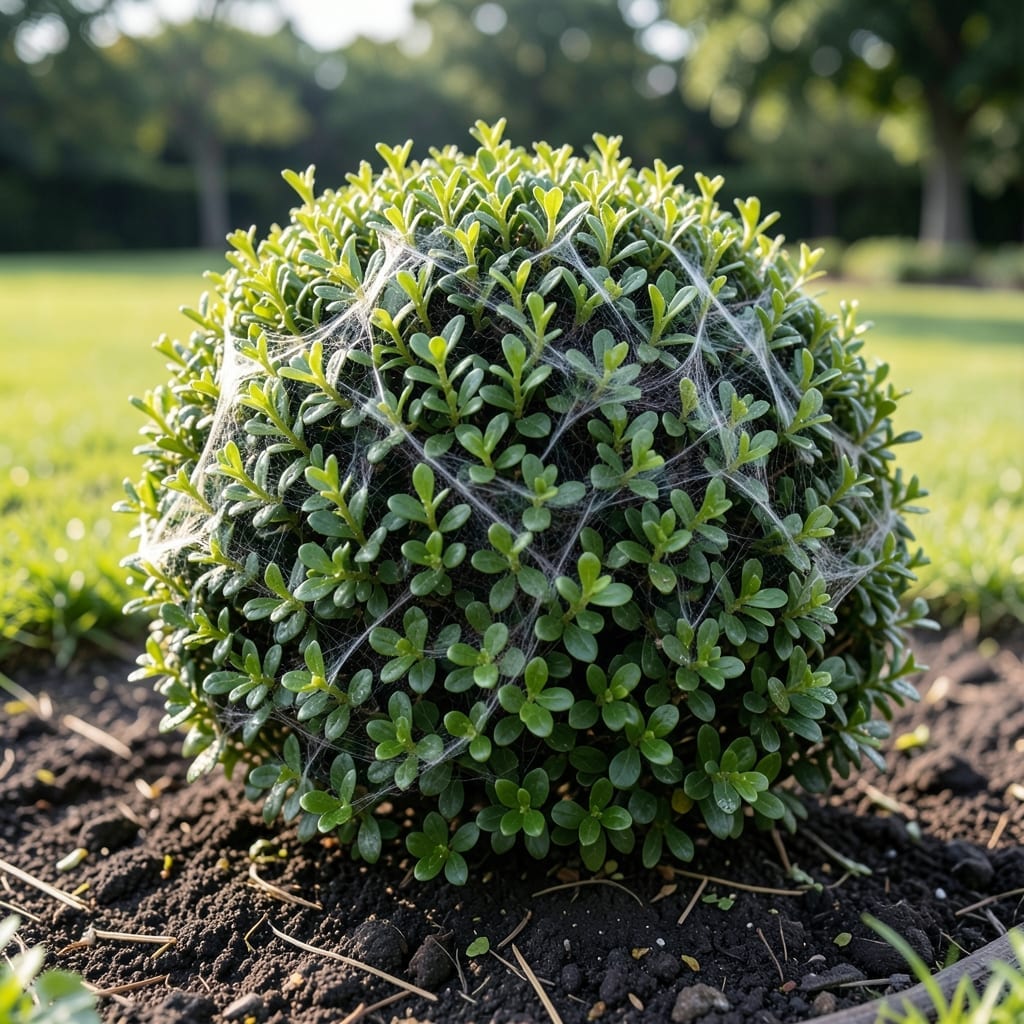
Fine webbing between your boxwood branches means trouble is brewing. I spotted this same issue last spring and traced it to spider mites feasting on the foliage.
These pests thrive in hot, dry conditions, spinning their protective webs while sucking sap from leaves. The good news? They’re treatable with a strong spray of water or insecticidal soap.
After treatment, you’ll see new growth returning within 2-3 weeks. The key is catching it early before the infestation spreads to neighboring plants.
Regular watering and occasional leaf rinsing prevent future outbreaks. Here’s how to restore your shrubs to their healthy best.
Cobwebs on boxwoods often signal an underlying issue, usually tied to environmental stress or pest activity. Here’s why they appear and what’s really happening beneath the surface.
One of the most common causes is spider mite infestations. These tiny arachnids (often Oligonychus ilicis or Tetranychus urticae) thrive in hot, dry conditions. As they feed on boxwood sap, they excrete fine silk webbing to protect their colonies. This webbing accumulates, creating the visible “cobwebs” you notice. Left unchecked, mites can weaken the plant, leading to yellowing leaves and stunted growth.
Boxwoods under drought stress or exposed to extreme heat are more susceptible to webbing. Dry conditions reduce the plant’s natural defenses, making it an easy target for pests. Additionally, poorly drained soil or over-fertilization (especially with high-nitrogen products) can disrupt the shrub’s health, indirectly encouraging pest activity and web formation.
While less common, certain fungal pathogens (like Volutella buxi) can produce web-like structures as part of their growth. These fungi often appear in humid, poorly ventilated environments, especially when boxwoods are crowded or lack proper pruning. The “cobwebs” here are actually mycelial threads, which differ from pest-created webbing but can look similar at a glance.
Boxwoods planted too closely together or those neglected in maintenance (e.g., lack of pruning or debris removal) create ideal hiding spots for pests. Dense foliage traps moisture and heat, accelerating spider mite reproduction and web production. Regular air circulation and sanitation are key to preventing this.
Boxwoods tangled in cobwebs usually mean spider mites are throwing an uninvited party. Act fast before these tiny pests stress your shrubs. Below are targeted fixes paired with prevention tips to keep your boxwoods web-free and thriving.
Use a strong jet of water from your garden hose to knock mites off the foliage. Focus on the undersides of leaves where they hide. Repeat every 3-4 days until the webs disappear. Prevention tip: Regularly mist your boxwoods to increase humidity—mites hate damp conditions. 💡
For stubborn cases, apply insecticidal soap or neem oil (mix 1 tbsp oil + 1 tsp dish soap per gallon of water). Spray evenly at dusk to avoid harming beneficial insects. Reapply weekly until the problem clears. Prevention tip: Inspect plants weekly in dry, hot weather—mites multiply quickly in these conditions. ✨
Stressed boxwoods attract pests. Water deeply during dry spells (1-2 inches per week) and mulch around the base to retain moisture. Avoid over-fertilizing with nitrogen, which can soften growth and lure mites. Prevention tip: Prune lightly to improve airflow, reducing hiding spots for mites. 🌱
If mites persist, use a miticide labeled for spider mites (e.g., bifenthrin or abamectin). Follow the label exactly—overuse can harm pollinators. Prevention tip: Rotate treatments to prevent resistance. Always spot-test first. 🎯
Use a strong jet every 3-4 days during hot, dry spells. This dislodges mites and disrupts their lifecycle. Consistency prevents new infestations from taking hold.
Yes, mix 1 tsp dish soap per gallon of water for mild cases. Spray evenly on all leaf surfaces, especially undersides. Reapply weekly until webs vanish.
Apply insecticidal soap or oils at dusk. This avoids harming bees and other beneficial insects active during daylight. Cooler temps also reduce leaf burn risk.
Light pruning improves airflow, reducing humidity that attracts pests. Remove dead branches and debris where mites hide. Prune after treatment for best results.