
Beautiful Plants For Your Interior
Beautiful Plants For Your Interior
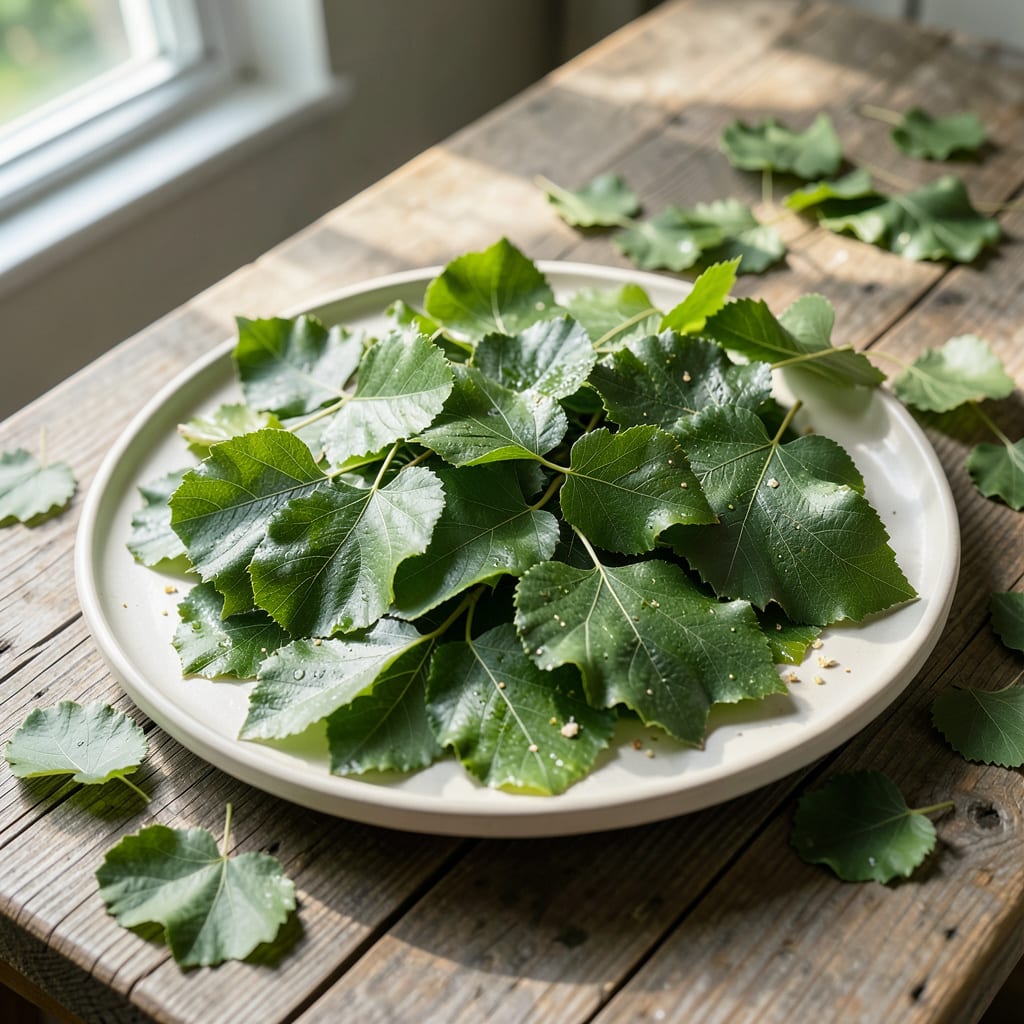
Nothing ruins a perfect landscape like yellow leaves on your Cleveland pear. I’ve seen this tree go from vibrant green to sickly yellow in a matter of weeks, and the fix is often simpler than you’d think.
The culprit is usually stress—too much water, not enough nutrients, or a sneaky pest making itself at home. Most people assume it’s a disease, but environmental factors are the usual suspects. I’ve fixed mine with just a few tweaks.
Organic solutions work best here. A little compost, proper drainage, and some vigilance can turn things around faster than you’d expect. The leaves bounce back to their deep green in 2-3 weeks with the right care.
Whether it’s your first season with this tree or you’ve been battling this for years, the answer is in the details. Here’s how to diagnose and treat it for good.
Understanding why Cleveland pear tree leaves turn yellow or drop can help you act fast. Here are the most common causes, explained simply but scientifically:
Lack of nitrogen, iron, or magnesium often leads to chlorosis (yellowing). Nitrogen deficiency starts in older leaves, while iron deficiency appears in new growth. A soil test confirms the issue—amend with organic compost or iron chelates for a quick fix.
Too much water suffocates roots, reducing nutrient uptake. Too little causes drought stress. Check soil moisture 2 inches deep—it should be damp but not soggy. Mulch helps retain moisture, and proper drainage prevents root rot.
Fire blight and leaf spot thrive in wet conditions, causing brown or black spots. Prune infected branches immediately (sterilize tools with rubbing alcohol) and apply copper fungicide as a preventative.
Aphids, scale, and mites sap nutrients, weakening leaves. Look for sticky residue (aphids) or webbing (mites). Spray with neem oil or insecticidal soap at dusk to avoid harming pollinators.
Extreme heat, frost, or poor soil pH (ideal: 6.0–7.0) stress the tree. Protect young trees with shade cloth in summer and mulch in winter. Test and adjust soil pH with lime (to raise) or sulfur (to lower).
If your Cleveland pear tree’s leaves are turning yellow, don’t worry—most issues are fixable with a little care. Below are targeted solutions for common causes, along with prevention tips to keep your tree thriving.
Fix: Check soil moisture 2 inches deep—if it’s soggy, reduce watering. Improve drainage by amending heavy clay soil with compost or creating a slight slope away from the trunk. For potted trees, ensure containers have drainage holes.
Prevention: Water deeply but infrequently (about 1–2 times per week for established trees). Use a moisture meter to avoid guesswork. 💡 Pro tip: Mulch around the base (but not touching the trunk) to retain moisture without waterlogging.
Fix: Yellow leaves with green veins often signal iron or nitrogen deficiency. Apply a balanced, slow-release fertilizer (10-10-10) in early spring. For iron shortages, use chelated iron soil drenches or foliar sprays.
Prevention: Test soil pH annually (aim for 6.0–7.0). If pH is too high, add sulfur to help trees absorb iron. 🌱 Pro tip: Organic options like compost or worm castings boost long-term soil health.
Fix: Inspect leaves for aphids, scale, or spider mites. Blast pests off with a strong water spray, or apply neem oil or insecticidal soap (follow label instructions). For severe cases, use horticultural oil.
Prevention: Encourage beneficial insects (like ladybugs) by planting companion flowers. Prune affected branches to improve airflow. ✨ Pro tip: Avoid over-fertilizing—it attracts pests!
Fix: If leaves scorch from excessive sun or wind, provide temporary shade cloth or windbreaks. For drought stress, water deeply at dawn. Transplant stressed trees in early spring or fall to reduce shock.
Prevention: Choose a sheltered planting site and acclimate young trees gradually to full sun. 🎯 Pro tip: Native mulch (like wood chips) protects roots from temperature swings.
Yellowing often starts with older leaves due to nitrogen deficiency moving nutrients to new growth. Iron deficiency affects younger leaves first. A soil test reveals which nutrient is lacking.
Established trees need watering 1-2 times per week. Check soil 2 inches deep—it should be damp, not soggy. Overwatering causes root rot and yellowing.
Yes! A strong water spray removes many pests. For stubborn infestations, neem oil or insecticidal soap works well. Always apply at dusk to protect pollinators.
