
Beautiful Plants For Your Interior
Beautiful Plants For Your Interior
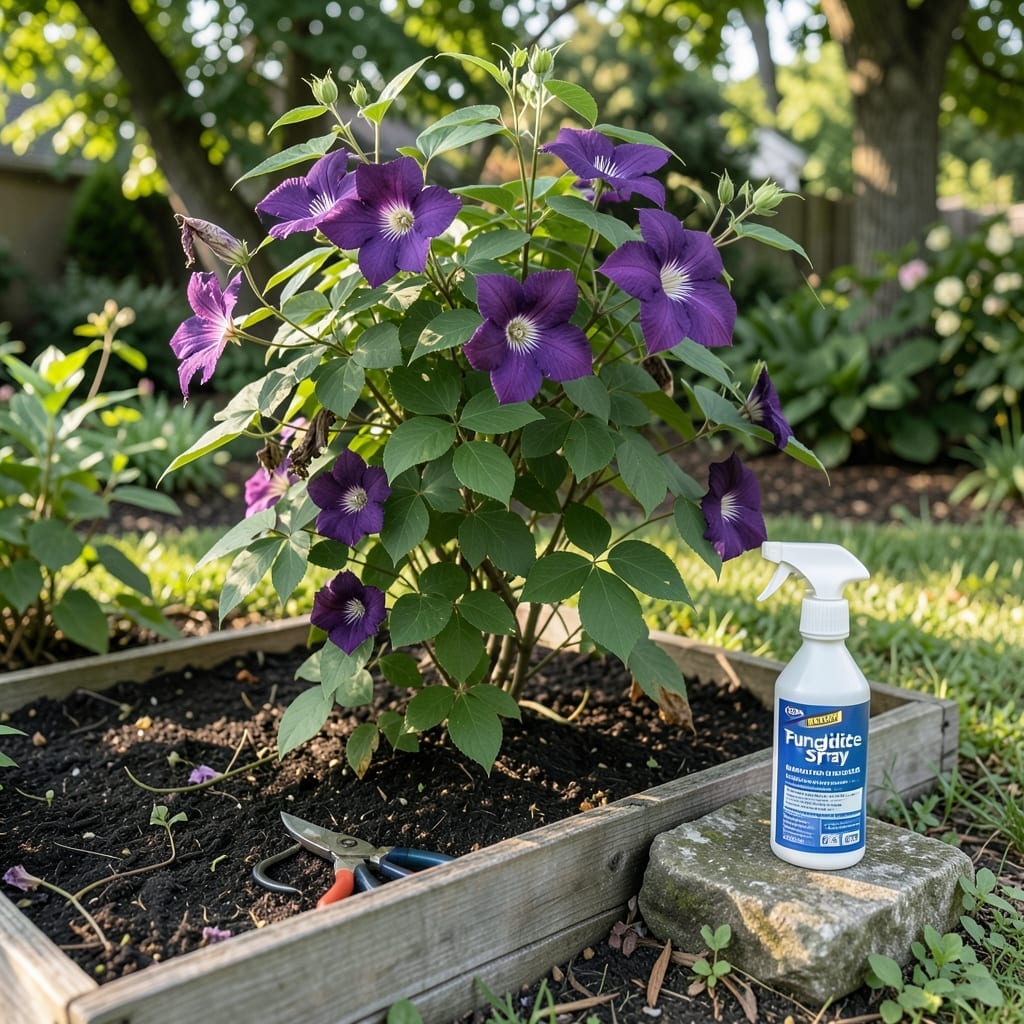
I lost two clematis vines to wilt before I figured this out. The first sign is often blackened stems and sudden wilting leaves, usually in spring or early summer. It’s terrifying to watch, but catch it early and you can save the plant.
Here’s the thing—most gardeners panic and cut everything back. Don’t. Instead, remove only the affected parts and sterilize your tools between cuts. This fungus spreads fast, but it’s not a death sentence if you act quickly.
With the right organic treatment and preventive care, your vines can bounce back stronger. I’ve kept mine healthy for years now using simple, natural methods that don’t harm the surrounding garden.
Works for all clematis varieties, from early bloomers to late-season climbers. Let’s save those vines.
Clematis wilt is a frustrating fungal disease that can quickly turn lush vines into withered stems. Understanding its root causes helps you prevent and tackle it effectively. Here’s why it happens:
The primary culprit is the fungus Ascochyta clematidina (formerly Ascochyta clematidis), which thrives in warm, humid conditions. It enters the plant through wounds, leaves, or stems, blocking water and nutrient flow. Another fungus, Phoma clematidina, can also cause similar symptoms. These pathogens spread via splashing water, contaminated tools, or infected plant debris.
Wet foliage creates the perfect breeding ground for fungal spores. Overhead watering, especially in the evening, leaves moisture lingering on leaves and stems, accelerating infection. Drip irrigation or watering at the base keeps foliage dry and reduces risk.
Dense plantings or crowded trellises restrict airflow, trapping humidity around the clematis. This stagnant environment allows fungi to proliferate. Pruning for better ventilation and spacing plants properly can mitigate this issue.
Clematis under stress—whether from drought, nutrient deficiencies, or root damage—are more susceptible to wilt. Healthy, well-nourished plants with strong cell walls resist fungal invasion better. Ensure proper soil pH (6.0–7.0) and consistent moisture to bolster plant defenses.
Fungal spores overwinter in dead leaves, stems, or soil. Failing to remove and destroy infected plant material allows the pathogen to persist and reinfect new growth. Always clean up fallen debris and sanitize pruning tools between cuts.
Act fast when you spot clematis wilt—early intervention can save your vines. Below are targeted fixes for the most common causes, plus prevention tips to keep your plants thriving.
If wilt is caused by Ascochyta clematidina or other fungi, prune infected stems immediately—cut 6–12 inches below the damaged area. Sterilize pruners with rubbing alcohol between cuts to avoid spreading spores. Dispose of debris in the trash (not compost). Apply a copper-based fungicide or organic option like neem oil to protect healthy growth. 💡 Pro tip: Water at the base to keep foliage dry.
Overcrowded plants or dense foliage traps moisture, inviting wilt. Thin out nearby plants and space clematis vines 18–24 inches apart. Train vines onto trellises to lift leaves off the ground. Prune regularly to open the center of the plant, allowing airflow. ✨ Prevention: Mulch with gravel or straw to reduce soil splash onto leaves.
Soggy roots stress plants and encourage fungal growth. Check soil moisture before watering—stick your finger 1–2 inches deep. If damp, wait. If dry, water deeply but infrequently. For clay soil, amend with compost or sand to improve drainage. 🌡️ Prevention: Plant clematis in raised beds or mounds if your soil stays wet.
Weakened plants attract pests like aphids, which can spread disease. Use a strong blast of water to dislodge pests, or apply insecticidal soap. Encourage beneficial insects (ladybugs, lacewings) with companion plants like marigolds. 🎯 Prevention: Keep plants vigorous with balanced organic fertilizer (10-10-10) in early spring.
With proper pruning and fungicide, you may see improvement in 7-10 days. Severely affected vines might take 2-3 weeks to recover fully.
If the roots are still healthy, the plant can regrow. Cut back to ground level and destroy all foliage. New shoots often emerge within 4-6 weeks.
Neem oil or copper soap sprays work well. Apply in the morning and reapply after rain. Always follow package instructions for dilution rates.
The fungus is clematis-specific but can spread between vines. Isolate infected plants and sterilize tools after each use to prevent contamination.