
Beautiful Plants For Your Interior
Beautiful Plants For Your Interior
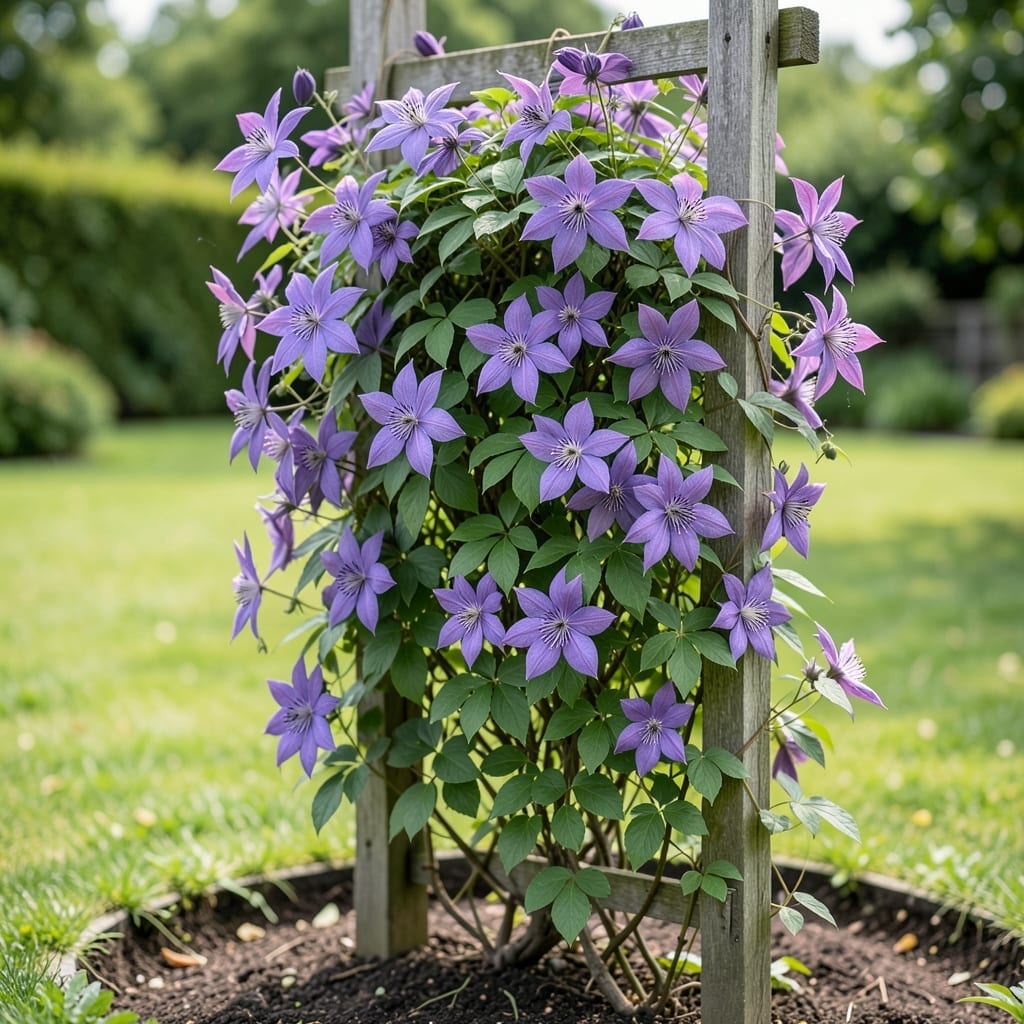
Clematis vines dazzle with vibrant blooms, but their flowering success hinges on one critical factor: light exposure. Get it wrong, and you’ll end up with lush foliage and few flowers.
I’ve seen too many gardeners struggle with their 🌸 Clematis simply because they misjudged the sunlight. The good news? It’s an easy fix once you know the basics.
Discover how to strike the perfect balance between sun and shade to ensure your Clematis thrives with maximum blooms. Let’s get started.
 Best Window Placement
Most Clematis varieties thrive with 6+ hours of sunlight daily, but the ideal amount varies by type. Early bloomers often prefer partial shade to protect their delicate flowers from harsh afternoon sun.
Late-flowering types, like Clematis viticella, can handle full sun if their roots stay cool. Evergreen varieties typically need more shade to prevent leaf scorch in hot climates.
| Clematis Type | Sunlight Needs | Root Care |
|---|---|---|
| Early Bloomers | 4-6 hours sun | Keep shaded |
| Late Bloomers | 6+ hours sun | Mulch heavily |
| Evergreen | 2-4 hours sun | Shade roots |
I’ve found that morning sun with afternoon shade works best for most Clematis in my garden. This combo gives them the light they need while protecting them from intense heat that can stress the plant.
If you’re in a hot climate, consider planting your Clematis where it gets dappled sunlight throughout the day. This mimics their natural woodland habitat and prevents flower drop from heat stress.
Root temperature is crucial. Even sun-loving Clematis need their root zone kept cool. I always mulch heavily or plant low-growing perennials at the base to shade the soil.
For container-grown Clematis, position pots where they get eastern exposure. This provides gentle morning sun and protects from harsh western rays that can overheat roots in pots.
Remember that flower production directly correlates with light. Too little sun results in fewer blooms, while too much can bleach petals or cause premature wilting. Find that sweet spot.
In my experience, Clematis montana does exceptionally well with just 4 hours of sun, making it perfect for shadier spots where other vines struggle. Its vigorous growth and early spring blooms are a garden highlight.
Experiment with different locations in your garden. I’ve had success moving struggling Clematis to spots with better light balance, often reviving them within a season. The key is observation and adjustment.
Not all Clematis varieties have the same light needs. Some thrive in full sun, while others prefer shady spots. Choosing the right type for your garden’s conditions is key to success.
I’ve tested numerous cultivars and found that light tolerance varies dramatically. Some can handle 8+ hours of direct sun, while others wilt without afternoon shade.
| Variety | Light Needs | Bloom Time |
|---|---|---|
| Jackmanii | Full sun | Summer-Fall |
| Nelly Moser | Partial shade | Late Spring |
| Armandii | Shade | Early Spring |
For sunny gardens, I recommend Clematis viticella varieties like ‘Purpurea Plena Elegans’. These handle heat well and produce abundant blooms in full sun conditions.
In shadier areas, Clematis montana and its cultivars excel. They flourish with just 3-4 hours of sun and provide early spring color when little else is blooming.
If your garden has dappled light, try ‘Henryi’ or ‘Bees’ Jubilee’. These adapt well to changing light throughout the day and reward you with large, showy flowers.
Remember that even sun-loving Clematis benefit from root shade. I always plant low-growing companions at their base to keep the soil cool and moist. 🌿