
Beautiful Plants For Your Interior
Beautiful Plants For Your Interior
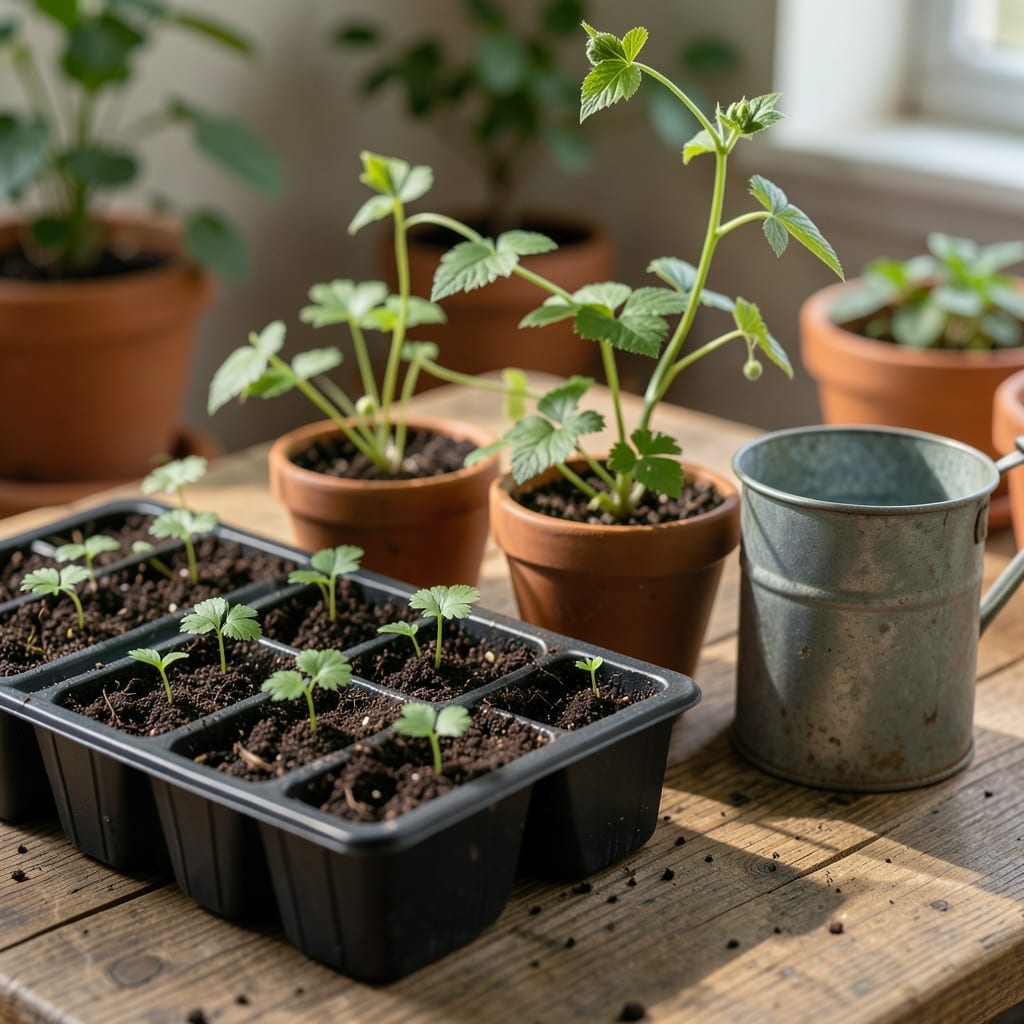
Clematis seeds need patience and the right conditions to break dormancy. I learned this the hard way after wasting months on seeds that never sprouted.
The trick is cold stratification—mimicking winter to trigger germination. Most gardeners skip this step, but it’s non-negotiable for clematis. Keep seeds moist and in the dark during this phase.
Once stratified, move them to bright, indirect light. You’ll see the first sprouts in 3-6 weeks if temperature and moisture stay consistent. No heat mats needed—just steady warmth.
This method works for all clematis varieties, whether you’re starting them indoors or in a greenhouse. Stick with it, and you’ll have strong, healthy seedlings ready for spring.
Understanding why Clematis seeds sometimes refuse to sprout starts with recognizing their unique biological needs. These seeds often exhibit dormancy mechanisms that prevent premature germination, ensuring survival in the wild. Below are the primary causes, explained scientifically for actionable insight.
Clematis seeds possess a thick, impermeable seed coat that blocks water and oxygen uptake, a trait known as physical dormancy. This adaptation protects the embryo from harsh conditions but requires scarification—either natural (via soil microbes or freeze-thaw cycles) or manual (sandpaper or hot water soak)—to soften the coat and allow germination.
Many Clematis species need cold stratification to break physiological dormancy. This process mimics winter, triggering hormonal changes (e.g., gibberellin activation) that signal the seed to grow. Without 4–12 weeks of moist, cold treatment (35–40°F), the embryo remains inactive, even in ideal warmth.
Clematis seeds are often light-dependent germinators. Some varieties require exposure to light to stimulate phytochrome-mediated reactions that kickstart growth. Burying seeds too deeply or using opaque containers can deprive them of this critical cue, stalling germination.
Even after stratification, seeds may fail if moisture or temperature fluctuates. Clematis thrives in consistently moist (not soggy) conditions and temperatures between 65–75°F during germination. Drying out or overheating disrupts enzymatic activity, halting progress.
Struggling with slow or failed clematis seed germination? Here’s how to troubleshoot common problems and get those seeds sprouting successfully.
If your seeds aren’t sprouting, they may need cold stratification. Place seeds in a damp paper towel inside a sealed bag and refrigerate for 4–6 weeks to mimic winter conditions. After stratification, sow them in well-draining soil. Prevention tip: Always use fresh seeds—older seeds lose viability quickly. 💡
Soggy soil suffocates seeds and leads to rot. Use a light, sandy seed-starting mix and water only when the top layer feels dry. Ensure pots have drainage holes. Prevention tip: Mist seeds gently instead of soaking to avoid displacement. 🎯
Clematis seeds need bright, indirect light to germinate. Place seed trays near a sunny window or under grow lights (12–14 hours/day). Avoid direct sunlight, which can dry out soil. Prevention tip: Rotate trays daily for even light distribution. ✨
Seeds thrive in consistent temperatures (60–70°F). Use a heat mat if your space is too cold, or move trays away from drafts. Prevention tip: Cover trays with plastic wrap to retain warmth and humidity until germination. 🔥
With these fixes, your clematis seeds will have the best chance to sprout strong and healthy!
Cold stratification typically requires 4-6 weeks in the refrigerator. Some stubborn varieties may need up to 12 weeks. Keep seeds moist in a sealed bag during this period.
No, most clematis seeds won’t germinate without it. This process breaks dormancy by mimicking winter conditions. Skipping it often results in poor or no sprouting.
After stratification, maintain 65-75°F for best results. Use a heat mat if your space is cooler, but avoid direct heat sources that might dry the soil.
Check for insufficient light, inconsistent moisture, or temperature swings. Ensure seeds receive bright, indirect light and the soil stays evenly damp, not soggy.