
Beautiful Plants For Your Interior
Beautiful Plants For Your Interior
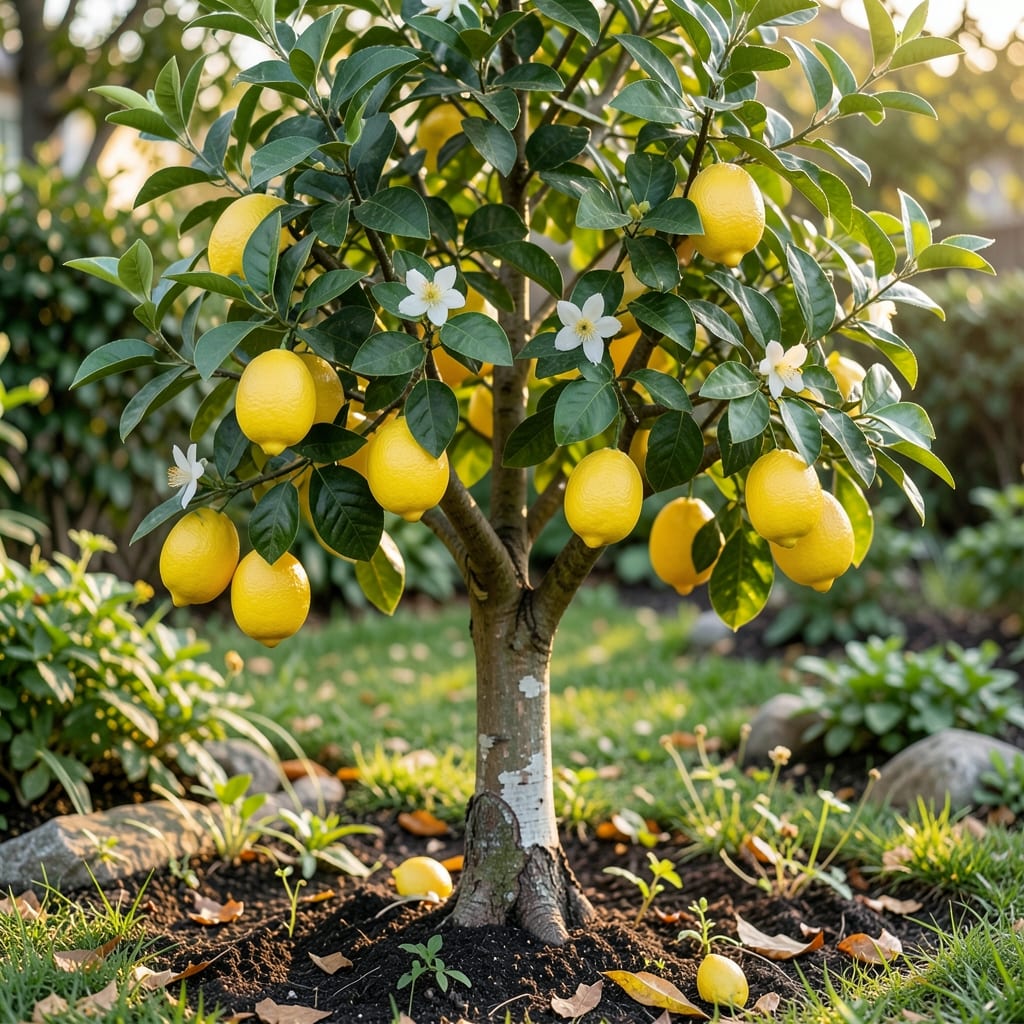
First time I saw citrus bark peeling, I panicked. Turns out it’s often just environmental stress or improper care.
Sunburn, frost damage, or overwatering can all strip bark. Even pests like borers leave their mark. The fix starts with checking your tree’s growing conditions.
Most cases improve with better watering routines and protection from extremes. A 30-minute inspection can reveal the root cause.
Healthy growth returns faster than you think with the right adjustments. Here’s how to diagnose and treat it effectively.
Citrus trees may develop peeling bark for several reasons, often tied to environmental stress or biological factors. Here’s a breakdown of the most common causes:
Excessive sunlight, especially in hot climates, can scald the bark, leading to cracking and peeling. Citrus trees thrive in full sun, but intense UV exposure without adequate hydration can damage the outer bark layers. Young trees or those with thin bark are particularly vulnerable.
Inconsistent watering—either too much or too little—stresses the tree, weakening its bark integrity. Overwatering promotes root rot, reducing nutrient uptake, while drought conditions cause the bark to dry out and split. A balanced irrigation schedule is key.
Pathogens like Phytophthora or citrus canker can infect the bark, causing it to peel as the tree attempts to isolate the damage. Look for dark lesions, oozing sap, or a foul odor—these are red flags. Fungicides or pruning infected areas can help curb the spread.
Boring insects such as citrus longhorned beetles or scale tunnel under the bark, disrupting its structure. Their activity creates entry points for disease and accelerates peeling. Regular inspections and targeted pesticides can prevent severe damage.
Sudden cold snaps or freeze-thaw cycles can cause the bark to contract and expand rapidly, leading to cracks and peeling. Citrus trees prefer stable temperatures; mulching and wrapping trunks in winter can mitigate this stress.
Peeling bark on your citrus tree can often be fixed with a few targeted steps. Here’s how to address the most common causes:
If the peeling is due to excessive sun exposure, provide shade during the hottest part of the day. Use shade cloth or plant taller trees nearby to filter sunlight. Prevention tip: 💡 Apply a thin layer of white tree wrap or light-colored paint to the trunk to reflect sunlight and reduce heat absorption.
For infections, prune away affected bark with sterilized shears and dispose of it far from the tree. Apply a copper-based fungicide to the area to prevent spread. Prevention tip: ✨ Ensure good airflow around the tree by spacing plants properly and avoiding overhead watering.
Inspect the tree for pests like borers or scale insects. Spray with horticultural oil or insecticidal soap to eliminate them. For severe cases, use a systemic insecticide. Prevention tip: 🎯 Regularly check the bark and leaves for early signs of pests and treat promptly.
If the issue stems from waterlogging, improve drainage by amending the soil with sand or organic matter. Reduce watering frequency and let the soil dry slightly between waterings. Prevention tip: 🌡️ Use a moisture meter to monitor soil conditions and avoid overwatering.
With these fixes, your citrus tree should recover and thrive. Stay proactive to keep its bark healthy and intact!
Not always. Mild peeling can occur naturally as citrus trees grow. However, excessive peeling often signals stress from sunburn, pests, or water extremes.
Use 30-40% shade cloth during peak sunlight or paint the trunk with light-colored tree wrap. Young trees are most vulnerable.
Apply horticultural oil or insecticidal soap immediately. For borers, consider systemic insecticides. Inspect weekly for early signs.
Yes. Root rot from soggy soil weakens the tree, leading to bark stress. Improve drainage and water only when the top 2-3 inches of soil are dry.