
Beautiful Plants For Your Interior
Beautiful Plants For Your Interior
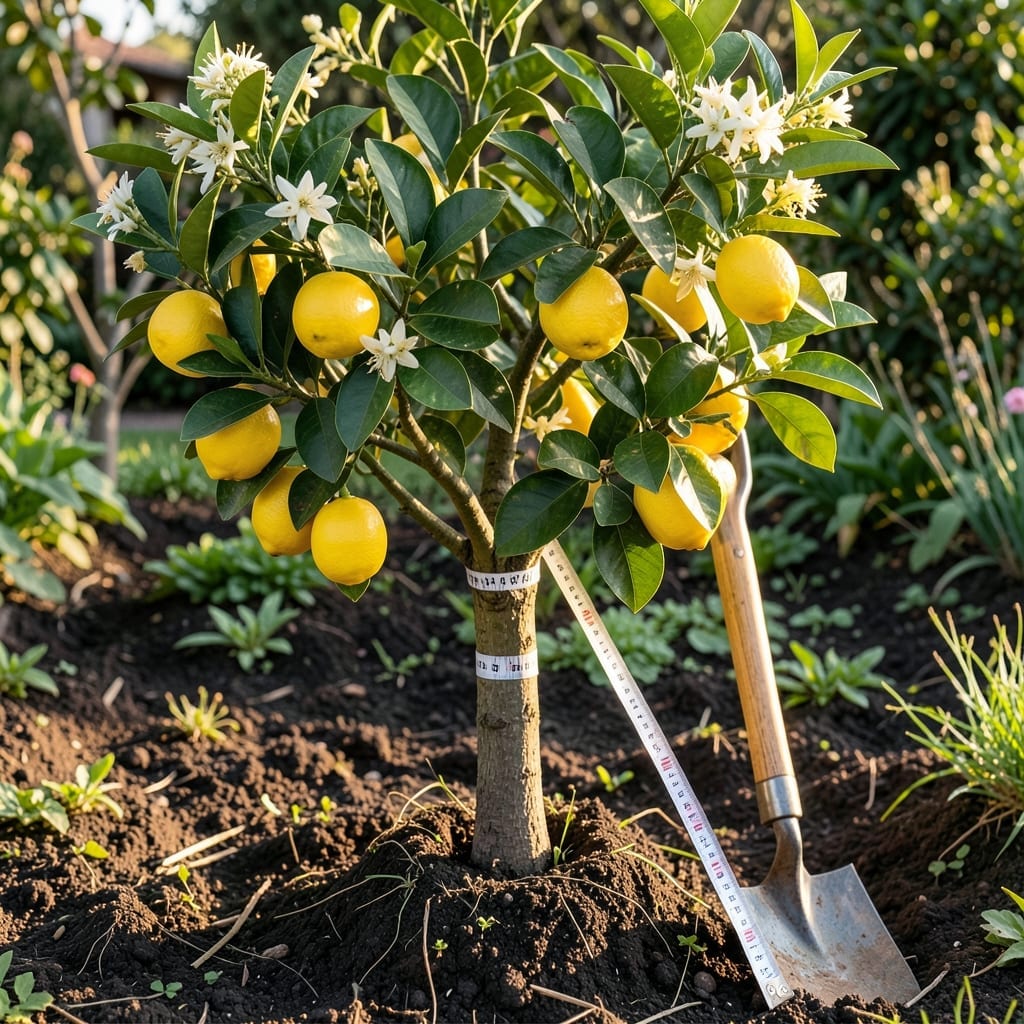
Proper spacing is the secret to thriving Citrus Trees 🍊 that produce abundant fruit without competing for resources. Plant them too close, and you’ll face stunted growth and disease.
Too far apart, and you waste valuable garden space. Getting this right ensures healthy trees with room to flourish in zones 9-11.
I’ve seen gardeners struggle with overcrowded trees that never reach their full potential. The solution starts with understanding their mature size and root spread.
Discover how to calculate the perfect distance based on variety, soil, and climate. Let’s set your citrus garden up for success.
Getting the spacing right for citrus trees is crucial for healthy growth and maximum fruit production. In my experience, the mature size of the tree is the biggest factor to consider.
For example, dwarf citrus trees typically need less space than their standard-sized counterparts, but even within these categories, there’s variation. 🌱
| Variety | Mature Height | Recommended Spacing | Notes |
|---|---|---|---|
| Dwarf (e.g., Calamondin) | 8-10 ft | 8-10 ft apart | Ideal for small gardens or containers |
| Semi-Dwarf (e.g., Meyer Lemon) | 12-15 ft | 10-12 ft apart | Great for backyard orchards |
| Standard (e.g., Navel Orange) | 20-30 ft | 15-20 ft apart | Needs full sun and open space |
| Grapefruit | 25-30 ft | 18-25 ft apart | Largest citrus variety |
I always remind gardeners that rootstock can also affect tree size. Some dwarfing rootstocks keep trees smaller, allowing you to plant closer without sacrificing health.
For in-ground planting, I recommend measuring the canopy spread at maturity and spacing trees half that distance apart. This ensures good airflow and sunlight penetration for all branches. 🌿
Container-grown citrus is a bit different. Since roots are confined, you can place pots closer—about 4-6 feet apart—but remember, they’ll still need full sun and regular watering.
If you’re planting multiple rows of citrus trees, leave 12-15 feet between rows. This gives you enough room to walk, prune, and harvest without damaging branches or compacting soil.
In my garden, I’ve found that Meyer lemon trees do well at 10 feet apart, while my Valencia oranges needed 15 feet to thrive. It’s all about observing growth patterns and adjusting as needed. ✂️
Don’t forget to consider future access for maintenance. You’ll need space for pruning tools, fertilizer application, and harvesting equipment like ladders or pickers.
Finally, if you’re planting near structures or fences, leave at least 10-12 feet of clearance. This prevents root damage to foundations and allows for proper tree development. 🌳
When planning my citrus grove, I quickly learned that spacing isn’t one-size-fits-all. The ideal distance depends on several key factors beyond just the tree variety. Soil quality plays a huge role—poor drainage might require extra space for root health.
Climate conditions also dictate spacing needs. In hotter zones like USDA 9-11, trees can handle slightly tighter spacing, while cooler areas need more room for airflow. I always consider my local microclimate when planting.
My irrigation method significantly impacts spacing. Trees with drip irrigation can be planted closer than those relying on overhead watering. I’ve found that deep watering systems allow for more compact plantings.
Pruning habits are another critical factor. If I’m committed to regular pruning, I can reduce spacing by 1-2 feet. This keeps trees smaller and more manageable while maintaining good air circulation.
The rootstock makes a big difference too. Most dwarf citrus trees on dwarfing rootstocks thrive with 8-10 feet between them, while standard rootstocks need 15-20 feet for optimal growth.
Finally, I always consider the mature size of the variety. My Meyer lemon stays smaller than my Navel orange, so I adjust spacing accordingly. Proper planning prevents future crowding issues. 🌳