
Beautiful Plants For Your Interior
Beautiful Plants For Your Interior
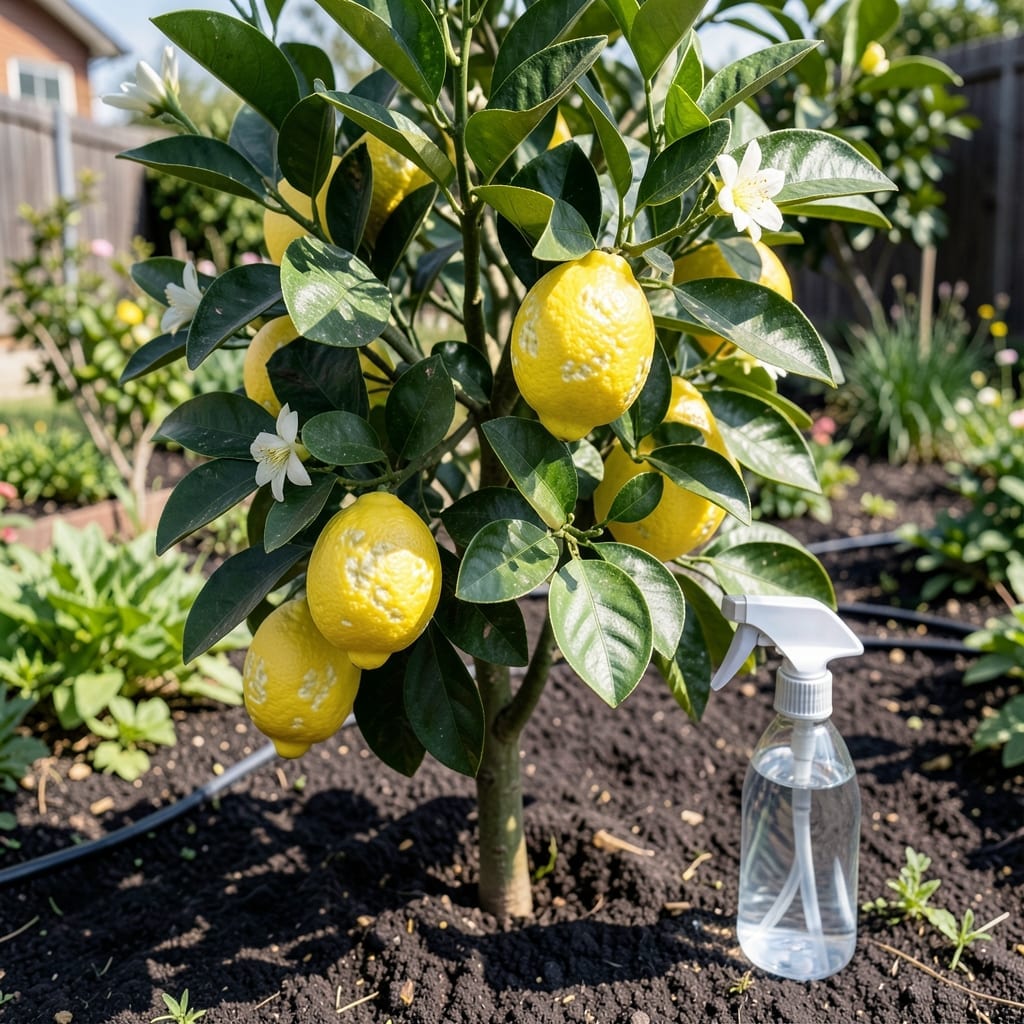
Those ugly crusty spots on your citrus fruit aren’t just unsightly—they’re citrus scab stealing your harvest. I’ve battled this fungus for seasons, and the organic solutions actually work better than harsh chemicals most of the time.
The key is catching it early before those scabs spread across leaves and fruit. A simple copper spray at the right time stops the spores dead in their tracks. Even better, it keeps your trees healthy without toxic residues on the fruit.
You’ll see the difference within 2-3 weeks as new growth stays clean and your fruit develops smooth, blemish-free skin. The best part? These treatments prevent future outbreaks too.
Works for oranges, lemons, limes—any citrus in your yard. Here’s exactly how to fix it and keep it from coming back.
Citrus scab is a fungal disease that mars the appearance of citrus fruit and foliage. Understanding its root causes helps in effective citrus scab treatment and prevention. Below are the primary reasons this issue arises.
The main culprit behind citrus scab is the fungus Elsinoë fawcettii. This pathogen thrives in warm, humid environments, making citrus-growing regions particularly vulnerable. The fungus overwinters in infected plant debris and releases spores during wet, warm conditions, which then infect new growth.
Prolonged periods of leaf wetness—especially during spring and early summer—create the perfect breeding ground for the fungus. Rain, dew, or overhead irrigation can spread spores, leading to new infections. High humidity (above 85%) further accelerates fungal growth.
Not all citrus trees are equally vulnerable. Varieties like grapefruit, lemons, and some oranges are highly susceptible to scab. Younger trees and new growth are particularly at risk, as their tender tissues are easier for the fungus to penetrate.
Dense canopies or crowded plantings restrict airflow, trapping moisture around leaves and fruit. This stagnant environment encourages fungal spores to settle and germinate, worsening scab outbreaks.
Using unsterilized pruning tools or working with infected plants can spread the fungus to healthy trees. Additionally, improper sanitation—such as leaving fallen leaves or fruit on the ground—provides a reservoir for the pathogen to persist.
Citrus scab can be unsightly, but with the right approach, you can restore your tree’s health and fruit quality. Below are targeted solutions for common causes, along with prevention tips to keep scab from returning.
Remove infected branches or fruit immediately to stop the fungus from spreading. Use sterilized pruning shears and dispose of debris far from your garden. Apply a copper-based fungicide or neem oil spray to affected areas, repeating every 7–10 days until the scab clears. For organic gardens, a baking soda solution (1 tbsp per gallon of water + a drop of dish soap) can help suppress mild infections.
Fungus thrives in damp, stagnant environments. Thin out dense foliage to allow sunlight and air to circulate. Space citrus trees at least 6–8 feet apart, and avoid overhead watering—drip irrigation is ideal. Water in the morning so leaves dry quickly. Mulch with gravel or straw to reduce soil splash, which can spread spores.
Scab spores overwinter in fallen leaves and fruit. Rake and remove all debris beneath trees weekly during the growing season. Disinfect garden tools with rubbing alcohol after use, and avoid composting infected material. A quick 10-minute soak in a 1:10 bleach-water solution works for tools.
With consistent care, your citrus will bounce back—smooth, vibrant, and scab-free! 🍊
Apply copper-based fungicide every 7-10 days during wet seasons or when new growth appears. For organic options like neem oil, repeat every 5-7 days until scabs disappear. Always follow product instructions for best results.
Yes, scab affects only the surface. Wash fruit thoroughly and peel before eating. While unsightly, it doesn’t harm the edible portion or flavor. Avoid consuming severely damaged areas.
Prune during dry weather to prevent spreading spores. Use sterilized tools and remove at least 2 inches below visible scabs. Dispose of debris immediately—never compost infected material.
Resistant types like ‘Tango’ mandarins rarely show symptoms, but may still need preventative care in high-humidity areas. Monitor regularly and treat at first signs of infection.