
Beautiful Plants For Your Interior
Beautiful Plants For Your Interior
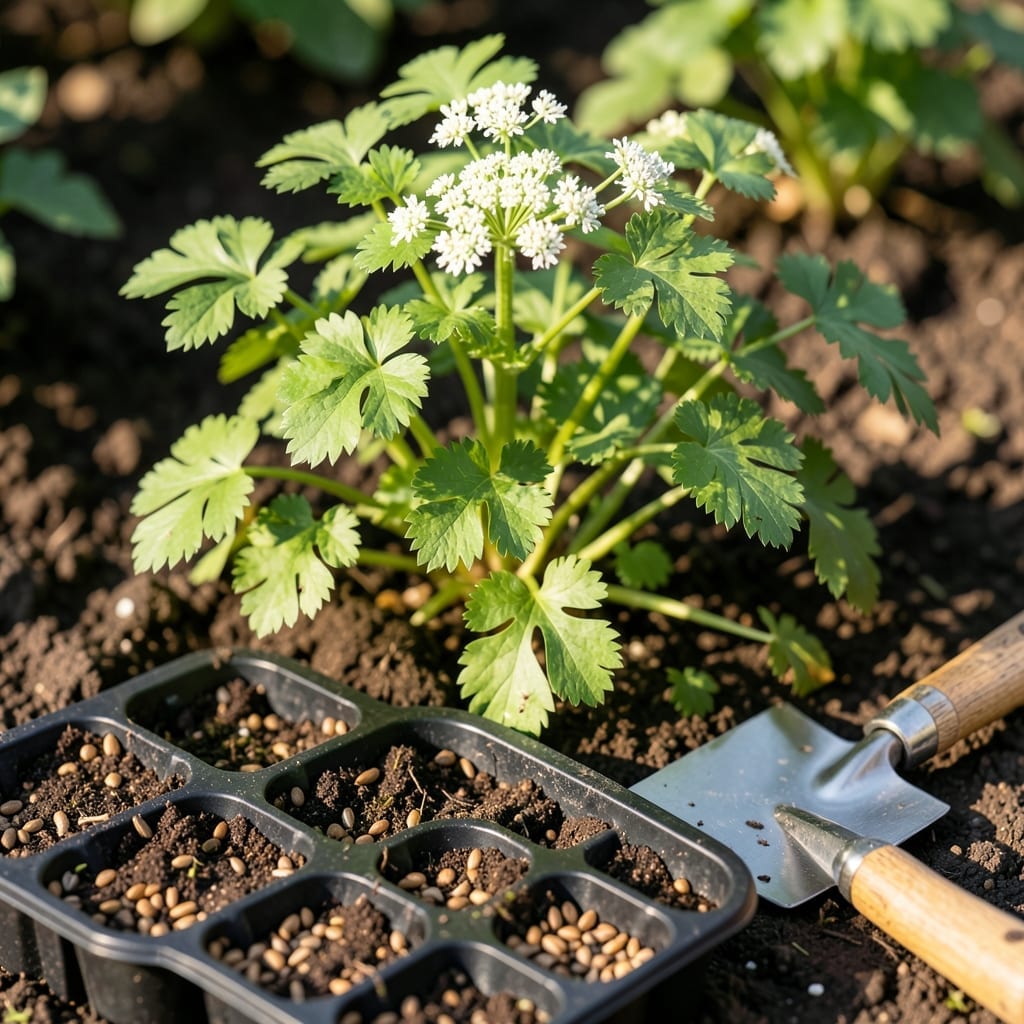
Timing is everything when it comes to growing 🌿 cilantro—plant too late, and it bolts before you get a single harvest. I’ve learned the hard way how critical timing is for this herb.
In my experience, cilantro thrives when planted during cooler months. You’ll want to avoid the heat of summer, as it causes the plant to flower prematurely.
For most gardeners, spring and fall offer the best windows. These seasons provide the mild temperatures cilantro loves, leading to lush, flavorful growth.
Discover the ideal approach for your climate, and you’ll enjoy fresh cilantro leaves throughout the growing season and beyond.


I’ve found that cilantro thrives in cool weather, making spring and fall the best seasons to plant it. In most regions, you’ll want to sow seeds directly into the soil 2-3 weeks after the last frost date.
For gardeners in warmer USDA zones (7-11), cilantro can also be grown throughout winter, as it prefers temperatures between 50-85°F. Avoid planting in the peak of summer, as heat causes bolting quickly.
| USDA Zone | Spring Planting | Fall Planting |
|---|---|---|
| 3-4 | April – May | August – September |
| 5-6 | March – April | August – September |
| 7-8 | February – March | September – October |
| 9-11 | October – November | February – March |
In cooler zones (3-4), cilantro can handle light frosts, but I recommend starting seeds indoors 4-6 weeks before the last frost for an early harvest. This gives you a head start before the growing season begins.
For moderate climates (zones 5-6), I’ve had great success with succession planting every 3-4 weeks from early spring to early summer. This ensures a continuous supply of fresh cilantro before the summer heat sets in.
Gardeners in hotter regions (zones 9-11) should focus on fall and winter planting. I plant my cilantro in partial shade during these months to prevent premature bolting and extend the harvest window.
If you live in zone 7-8, you’re in luck—cilantro can be grown almost year-round. I plant in early spring and again in late summer for a fall harvest. Just watch for heatwaves, which can stress the plants.
Remember, cilantro bolts fast in high temperatures. I always choose slow-bolt varieties like ‘Calypso’ or ‘Santo’ for longer harvests. These types are bred to resist flowering longer than traditional varieties.
For the best results, sow seeds ¼ inch deep in well-draining soil and keep the area consistently moist. I’ve noticed that morning sun with afternoon shade works wonders in warmer climates.
Don’t forget to thin seedlings to 6-8 inches apart once they’re 2-3 inches tall. This gives each plant enough space to grow without competing for nutrients.
By following these zone-specific guidelines, you’ll maximize your cilantro yield and enjoy fresh leaves for weeks. I’ve used this approach to harvest cilantro well into the fall season without issues. 🌿
I’ve found that succession planting is the secret to enjoying cilantro all year. By sowing new seeds every 2-3 weeks, you can staggered harvests before the heat sets in. This method works especially well in spring and fall.
Another trick I swear by is using shade cloth during the hottest months. Cilantro bolts quickly in high heat, but providing 30-50% shade can slow this process and extend your harvest window significantly.
I always recommend selecting slow-bolt cilantro varieties for warmer climates. These are bred to resist bolting longer, giving you extra weeks of harvest. ‘Santo’ and ‘Calypso’ are my top picks for this purpose.
Container gardening is another game-changer. I move my potted cilantro to shadier spots as temperatures rise, which helps prevent premature bolting. Just ensure your containers have good drainage holes to avoid root rot.
Regular harvesting is crucial. I snip the outer leaves first, allowing the inner growth to continue. This practice not only gives you a steady supply but also encourages the plant to produce more foliage instead of going to seed.
Finally, don’t underestimate the power of consistent moisture. Cilantro thrives in evenly moist soil, so I water deeply once a week, more often in extreme heat. A layer of organic mulch helps maintain this moisture level while keeping roots cool. 🌿