
Beautiful Plants For Your Interior
Beautiful Plants For Your Interior
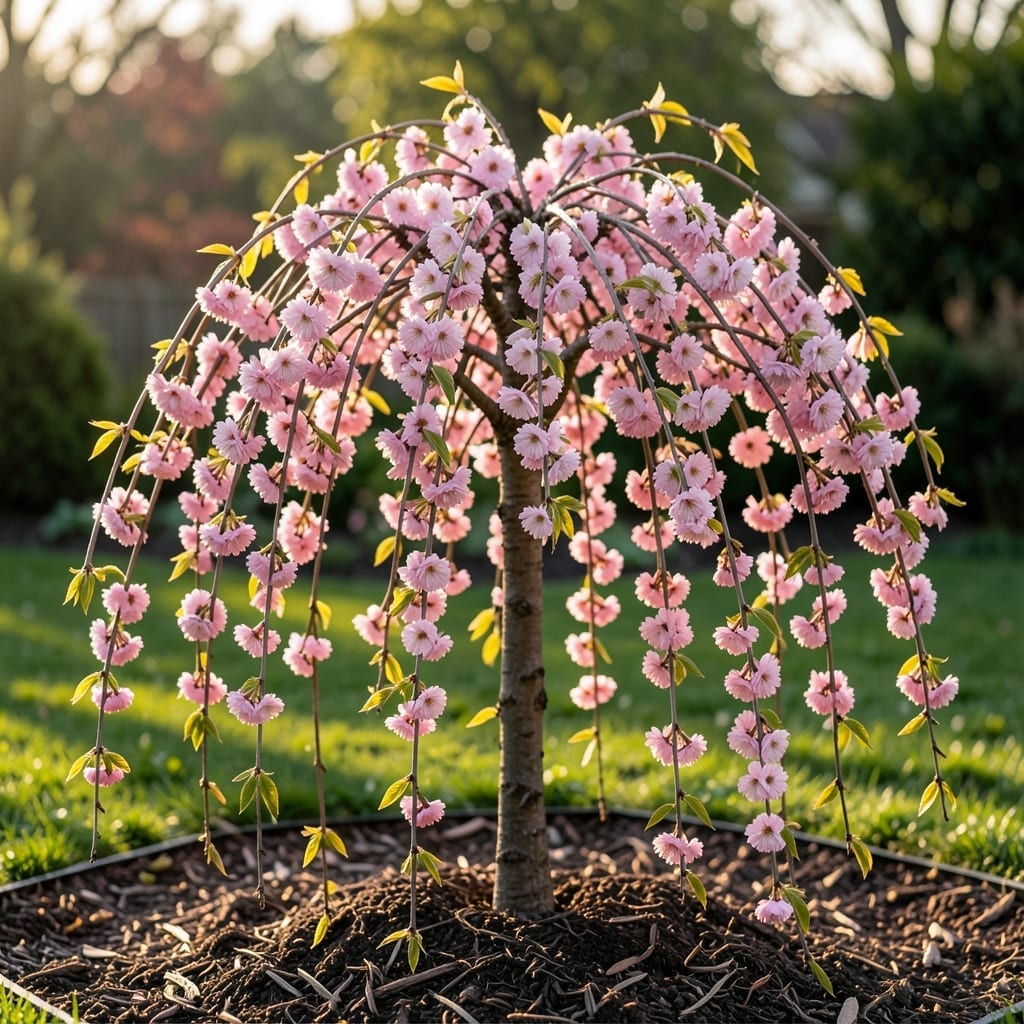
There’s something magical about watching a Chinese Weeping Cherry Tree 🌳 transform your garden with its elegant, drooping branches. But without proper pruning, that beauty can quickly turn into a tangled mess.
I’ve seen too many gardeners struggle with overgrown or poorly shaped trees simply because they didn’t know when or how to prune. The good news? With the right approach, you can maintain both its health and stunning appearance.
Pruning isn’t just about aesthetics—it’s the key to preventing disease and encouraging strong growth. Whether you’re a beginner or have some experience, these tips will help you get it right.
Discover how a few simple cuts at the right time can make all the difference for your tree’s longevity and beauty.
Pruning your Chinese Weeping Cherry Tree is essential for maintaining its graceful shape and overall health. The best time to prune is in late winter or early spring, just before new growth begins.
This timing helps the tree heal quickly and reduces the risk of disease or pest infestation. Always use sharp, clean pruning tools to make precise cuts without tearing the bark.
When pruning, focus on removing inward-growing branches first. These can rub against each other, causing wounds that invite pests and disease. Always cut at a 45-degree angle just above a healthy bud.
For weeping varieties, be especially careful not to over-prune the cascading branches, as these are the tree’s most distinctive feature. Light, selective cuts work better than heavy shearing.
After pruning, apply a thin layer of horticultural oil or pruning sealant to cuts larger than 1 inch in diameter. This helps protect the tree while it heals and reduces the risk of infection.
Remember that weeping cherry trees bloom on old wood, so pruning in late winter ensures you won’t accidentally remove flower buds that formed the previous season.
If your tree is young, focus on structural pruning to establish a strong framework. Remove any competing leaders and encourage a single, well-shaped trunk for stability.
Finally, step back frequently as you work to assess the tree’s shape from all angles. This helps you make balanced cuts and maintain the tree’s natural elegance. ✂️
Even experienced gardeners can make errors when pruning a Chinese Weeping Cherry Tree. One of the most common is over-pruning, which can stress the tree and reduce its ability to bloom vibrantly next season.
Another frequent mistake is pruning at the wrong time. Cutting back during active growth periods can leave the tree vulnerable to pests and diseases. Always aim for late winter or early spring before new growth starts.
⚠️ Avoid These Pruning Pitfalls
I’ve seen many gardeners accidentally remove too much of the weeping branches, which are the tree’s most distinctive feature. These branches should only be thinned to improve airflow, never drastically shortened.
Timing is also crucial. Pruning too late in spring can remove flower buds that have already formed, resulting in a disappointing lack of blooms. Stick to the dormant season for best results.
Another error is neglecting to clean your tools between cuts. This can spread diseases from one part of the tree to another. I always keep a solution of 1 part bleach to 9 parts water handy for sanitizing.
Finally, remember that weeping cherry trees have a naturally graceful form. Over-pruning to create an unnatural shape can ruin their beauty. Let the tree’s natural growth habit guide your pruning decisions. ✂️