
Beautiful Plants For Your Interior
Beautiful Plants For Your Interior
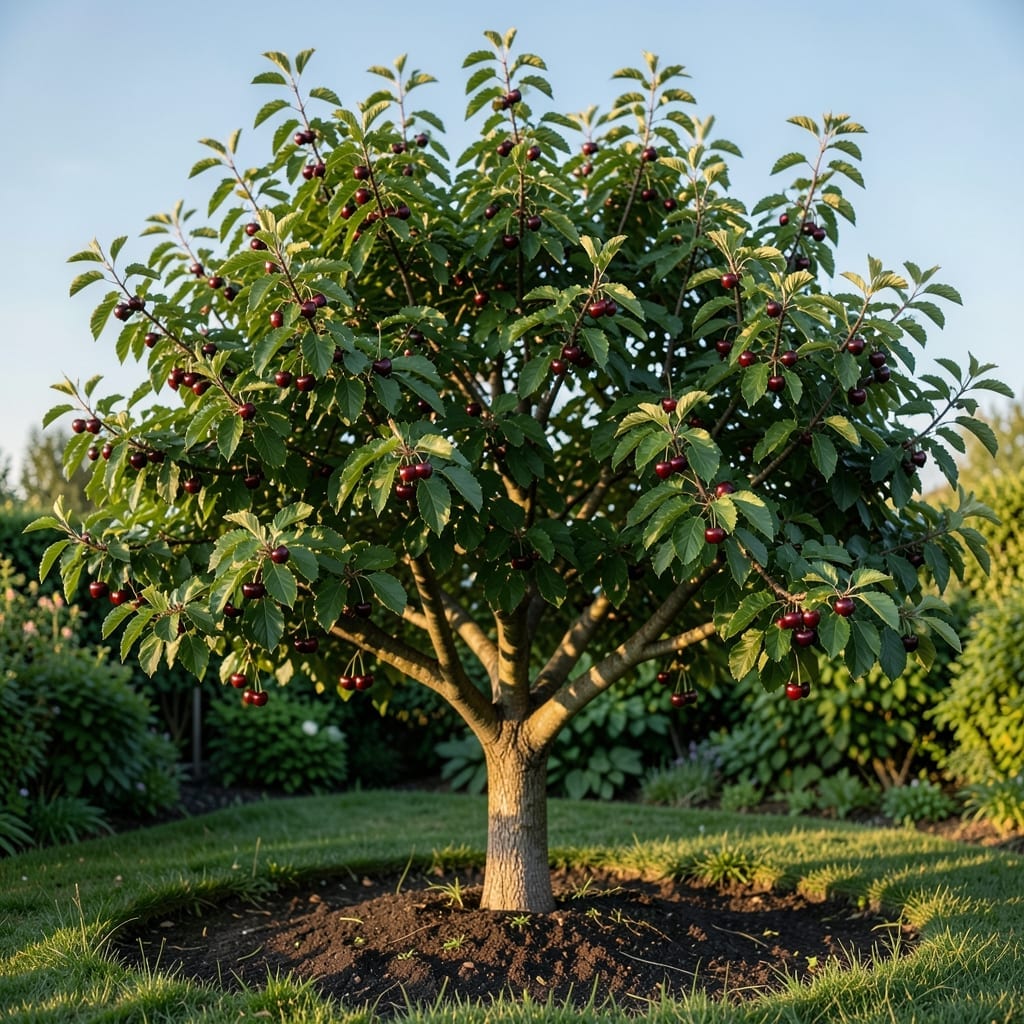
Nothing transforms a garden quite like a thriving 🌳 Cherry Tree in full bloom. But here’s what many gardeners overlook: without the right sunlight, you might as well be growing a very expensive stick.
I’ve seen too many Cherry Trees struggle with weak growth simply because they weren’t getting enough light. The difference between a tree that barely survives and one that produces abundant fruit often comes down to this one factor.
Discover exactly how much sun your tree needs, why it matters, and how to give it the best possible start. Let’s set your garden up for success.


If you want a Cherry Tree that thrives, sunlight is non-negotiable. Most varieties demand full sun, meaning 6-8 hours of direct light daily for optimal growth and fruit production. Without it, you risk weak blooms and stunted cherries.
However, not all Cherry Trees have identical needs. Sweet Cherries typically require more sun than tart varieties, while dwarf types can sometimes tolerate partial shade. Knowing your tree’s specifics is key.
| Variety | Daily Sunlight Needs | Shade Tolerance |
|---|---|---|
| Sweet Cherry | 8+ hours | Low |
| Tart Cherry | 6-8 hours | Moderate |
| Dwarf Cherry | 6 hours | High |
For Sweet Cherry Trees, like the popular Bing or Rainier, aim for a south-facing spot with unobstructed sunlight. These trees are less forgiving of shade and may produce smaller, less flavorful fruit if light is insufficient.
Tart Cherries, such as Montmorency, are slightly more adaptable. They can handle afternoon shade in hotter climates but still need morning sun to thrive. This makes them a great choice for gardens with partial shade.
Dwarf Cherry Trees are the most versatile for limited spaces. While they prefer full sun, they can manage with 6 hours and still produce a decent harvest. Ideal for patios or small yards where light might be filtered.
Seasonal changes also impact sunlight needs. In early spring, young trees benefit from as much light as possible to establish roots. During summer, ensure consistent exposure, especially during fruit set and ripening periods.
If your garden has shade from buildings or other trees, consider planting tart or dwarf varieties. You can also use reflective mulches or prune nearby branches to maximize light penetration.
Remember, even shade-tolerant varieties will produce better fruit with more sun. Track your garden’s light patterns throughout the day to find the sunniest spot for your Cherry Tree.
Finally, if you’re in a northern climate with shorter days, prioritize sweet varieties that can make the most of limited light. In southern regions, afternoon shade can actually protect trees from heat stress while still meeting their light needs.
With the right sunlight, your Cherry Tree will reward you with vibrant blooms and delicious fruit for years to come. ☀️
Even with the best intentions, your Cherry Tree might still struggle if it’s not getting enough light. I’ve noticed that sunlight deficiency often shows up first in the foliage and fruit, so catching these signs early is crucial.
Sparse or yellowing leaves are a classic red flag. If your tree’s canopy looks thin or the leaves lack their usual vibrant green, it’s likely craving more sun. This happens because the tree can’t photosynthesize efficiently in low light.
⚠️ Warning: Poor flowering and small fruit are direct results of insufficient sunlight. Without 6-8 hours of direct light, your tree may produce fewer cherries or none at all.
Another telltale sign is weak or leggy growth. When a Cherry Tree stretches toward the light, it often results in long, spindly branches that lack strength. This is the tree’s way of reaching for the sun it desperately needs.
If you notice your tree’s fruit is small or slow to ripen, sunlight is often the culprit. Cherries need ample light to develop their full size and sweetness. Insufficient sun can lead to tart, underdeveloped fruit that never quite matures.
In extreme cases, a lack of sunlight can cause branch dieback or even tree decline. The tree may drop leaves prematurely or fail to produce new growth. This is a last-resort signal that it’s struggling to survive in its current conditions.
To fix these issues, start by assessing your garden’s light. Use a sunlight tracker or simply observe how the sun moves across your yard. If shade is unavoidable, consider relocating your tree or pruning nearby obstacles to let more light in.
With the right adjustments, your Cherry Tree can bounce back and reward you with healthy growth and abundant fruit. 🌳