
Beautiful Plants For Your Interior
Beautiful Plants For Your Interior
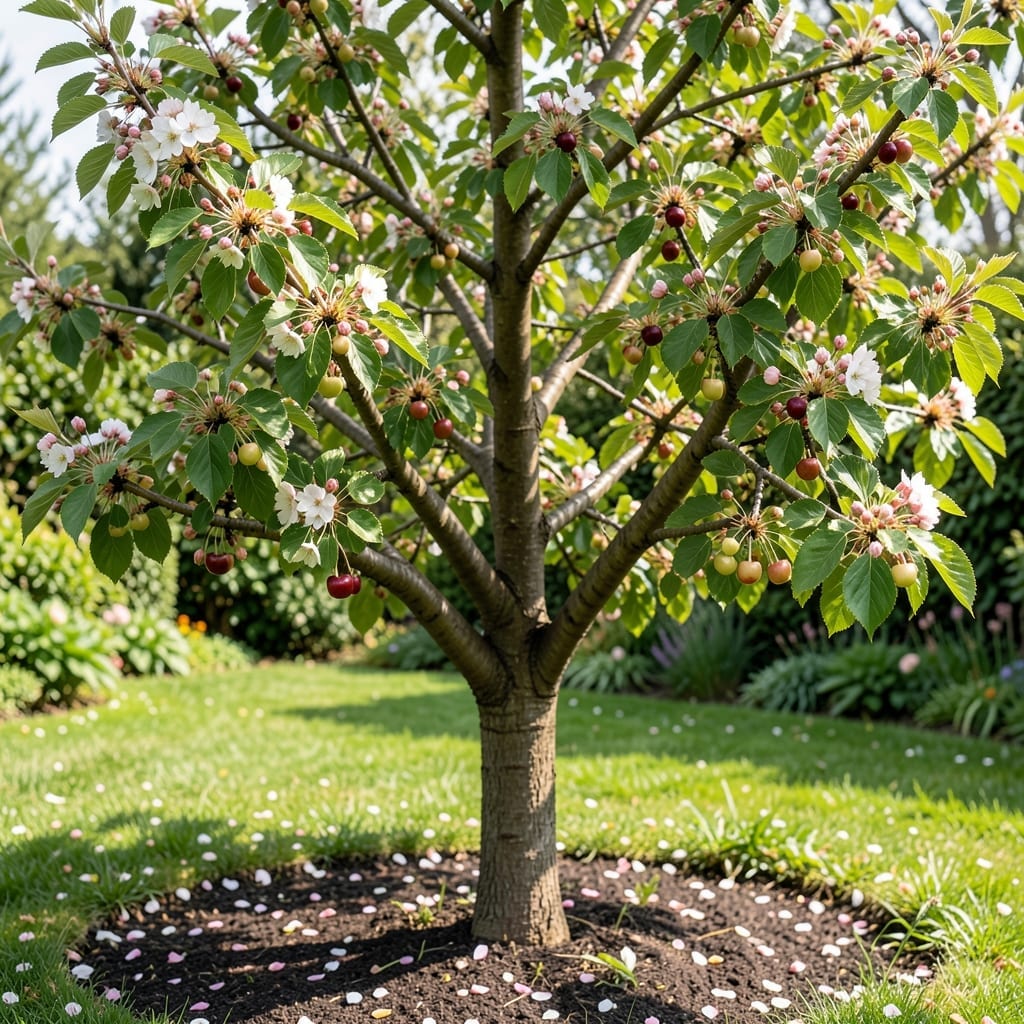
Patience is key when growing a Cherry Tree 🌳, as the wait for that first delicious harvest can test even the most enthusiastic gardener.
Understanding the timeline from planting to fruiting helps set realistic expectations. It’s not just about the years—it’s about the care, the variety, and even the climate.
Whether you’re planting a young sapling or nurturing a mature tree in zones 5-8, knowing what to expect makes the process far less frustrating. I’ll break down the typical journey so you can plan accordingly.
Discover how to encourage your tree to bear fruit sooner and what signs to watch for as it matures. Let’s get started.
Growing cherry trees requires patience, as they don’t bear fruit immediately. Most gardeners plant young trees, but even these need time to mature before producing their first cherry harvest. I’ve found that understanding the timeline helps manage expectations.
The time to fruit depends on the cherry variety and growing conditions. Sour cherries often fruit sooner than sweet cherries, making them a popular choice for eager gardeners. Factors like rootstock, climate, and tree age at planting also play a role.
| Sour Cherry | Sweet Cherry | |
|---|---|---|
| First Fruit | 3-5 years | 4-7 years |
| Full Maturity | 5-7 years | 7-10 years |
| Peak Production | 7-10 years | 10-15 years |
| Lifespan | 20-30 years | 25-40 years |
Sour cherry trees, like Montmorency, often fruit in as little as 3 years. These are self-pollinating, which simplifies the process. I recommend them for gardeners who want faster results without needing multiple trees.
Sweet cherry varieties, such as Bing or Rainier, typically take 4-7 years to bear fruit. They often require cross-pollination, so planting compatible varieties nearby is essential for a successful harvest.
The rootstock used can significantly impact fruiting time. Dwarf rootstocks may produce fruit sooner but with smaller yields. In contrast, standard rootstocks take longer but offer larger harvests at maturity. I’ve seen this firsthand in my own orchard.
Climate conditions also influence how quickly a cherry tree fruits. Trees in warmer zones (USDA 5-8) with full sun and well-draining soil tend to mature faster. Cooler climates or poor soil can delay fruiting by a year or more.
If you plant a bare-root tree, expect to wait at the longer end of the timeline. Container-grown trees, however, may start fruiting a year earlier because they’re already established. I always advise checking the nursery tag for the tree’s age.
Proper tree care can encourage earlier fruiting. Consistent watering, balanced fertilization, and annual pruning help the tree focus its energy on fruit production. Avoid over-fertilizing with nitrogen, as this promotes leafy growth at the expense of fruit.
Finally, be patient and observe your tree. The appearance of flower buds in early spring is a promising sign that fruiting is near. With the right conditions and care, your cherry tree will reward you with a bountiful harvest for years to come. 🌳
If you’re eager to taste homegrown cherries, I’ve got good news: you can encourage earlier fruiting with the right care. The key is giving your cherry tree ideal growing conditions from day one. Proper planting depth and soil prep set the stage for faster maturity.
Start by choosing a fast-bearing variety like ‘Stella’ or ‘Montmorency’, which often fruit a year earlier than others. A healthy rootstock also makes a big difference in how quickly your tree establishes itself.
I always recommend testing your soil before planting. Cherry trees thrive in well-draining soil with a pH between 6.0 and 7.0. Amending heavy clay or sandy soil with compost improves root development and speeds up fruiting.
Consistent watering is critical, especially during the first two years. A deep soak once a week encourages deep root growth, which helps your tree become self-sufficient faster. Just be sure to taper off as the tree matures.
Pruning plays a surprising role in fruiting. I’ve seen young cherry trees fruit earlier when pruned properly. Remove dead or crossing branches in late winter to direct energy toward fruit production. Avoid heavy pruning, which can delay blooming.
Finally, protect your tree from pests and diseases, as stress slows growth. Use organic sprays and keep the area around the trunk free of debris. With patience and care, you’ll see those first cherry blossoms sooner than you think! 🌳