
Beautiful Plants For Your Interior
Beautiful Plants For Your Interior
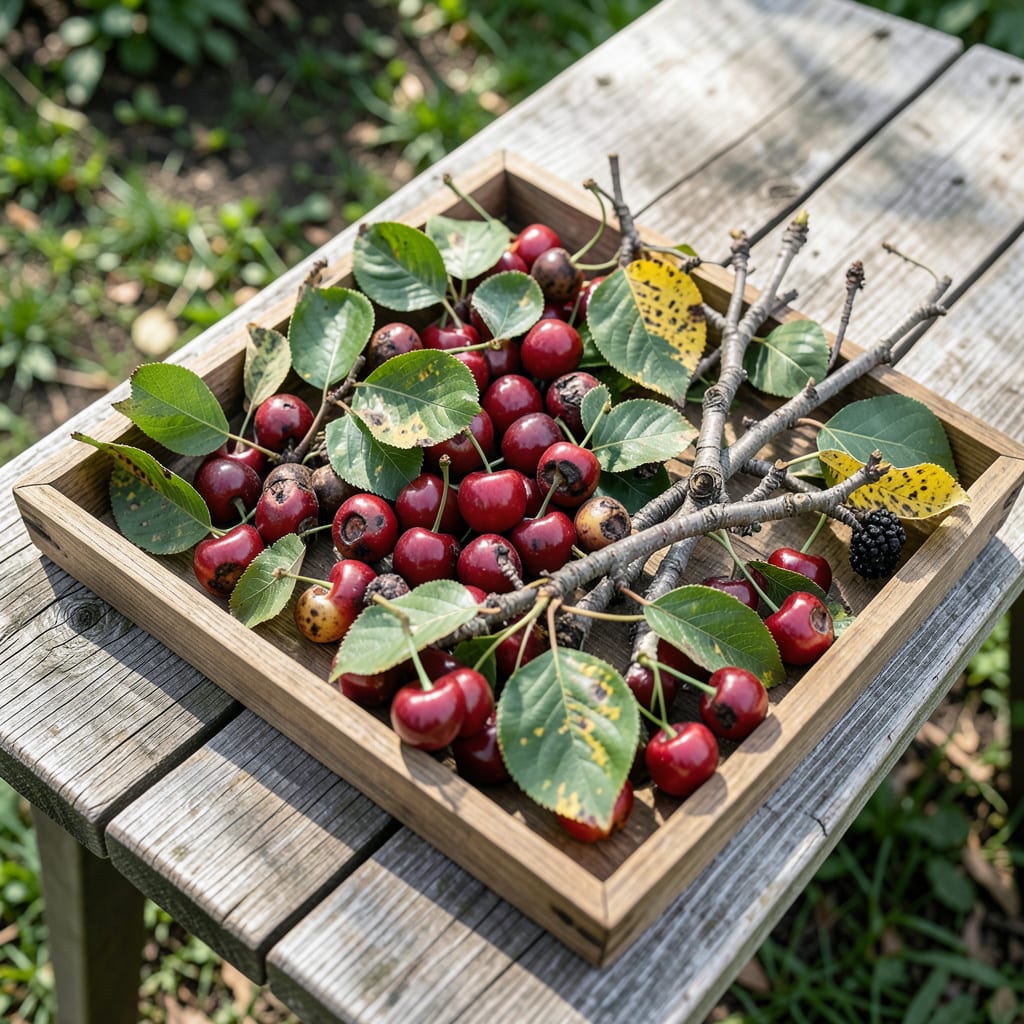
Spotted brown leaves or oozing cankers on your cherry tree aren’t just ugly—they’re warning signs. I’ve seen healthy orchards turn into problem zones overnight when diseases go unnoticed.
Early diagnosis is your best defense. The right images and descriptions help you catch issues before they spread, saving years of growth and future harvests. Most problems start small: a single branch, a few discolored spots.
What you’ll get here is a clear visual guide to common cherry tree diseases, with straightforward solutions that work. No guesswork, just actionable steps to restore your trees to their vibrant green best.
Works for backyard trees, small orchards, or commercial setups. Let’s identify and fix these issues together.
Understanding the root causes of cherry tree diseases helps you prevent and treat them effectively. Below are the primary factors that lead to common cherry tree ailments, explained with scientific clarity.
Many cherry tree diseases, such as brown rot and leaf spot, are caused by fungal pathogens like Monilinia spp. and Blumeriella jaapii. These fungi thrive in wet, humid conditions, spreading through spores that infect leaves, flowers, and fruit. Poor air circulation and overhead watering exacerbate fungal growth.
Insects like aphids, cherry fruit flies, and scale insects weaken trees by feeding on sap and foliage. Their damage creates entry points for secondary infections, such as bacterial canker (Pseudomonas syringae). Pests also spread viral diseases like cherry leaf roll virus through feeding activity.
Extreme weather—drought, frost, or excessive rain—stresses cherry trees, making them more susceptible to disease. For example, canker diseases often develop after frost damage or waterlogged soil. Poor soil drainage can also lead to root rot, caused by Phytophthora fungi.
Lack of essential nutrients, particularly nitrogen, potassium, or calcium, weakens a tree’s immune system. Deficient trees are less able to resist pathogens and recover from infections. Soil pH imbalances (too acidic or alkaline) can also limit nutrient uptake, further compromising health.
Improper pruning, lack of sanitation (e.g., leaving fallen leaves or fruit to rot), and crowded planting contribute to disease spread. Sterilizing tools between cuts and removing infected debris are critical to preventing recurrence.
When your cherry tree shows signs of disease, quick and targeted action can save its health—and your harvest. Below are practical fixes for common issues, paired with prevention tips to keep problems from returning.
Early intervention is key—regularly inspect your tree for visual symptoms and act at the first sign of trouble!
Look for brown or purple spots on leaves, white powdery residue, or mummified fruit. Fungal issues often appear after wet weather.
Encourage natural predators like ladybugs and use fine mesh netting. Remove fallen fruit immediately to deter fruit flies.
No, pruning infected branches 2–3 inches below the canker is essential. Always sterilize tools between cuts to prevent spreading.
Check weekly during growing season, especially after rain. Early detection makes treatment much easier.
