
Beautiful Plants For Your Interior
Beautiful Plants For Your Interior
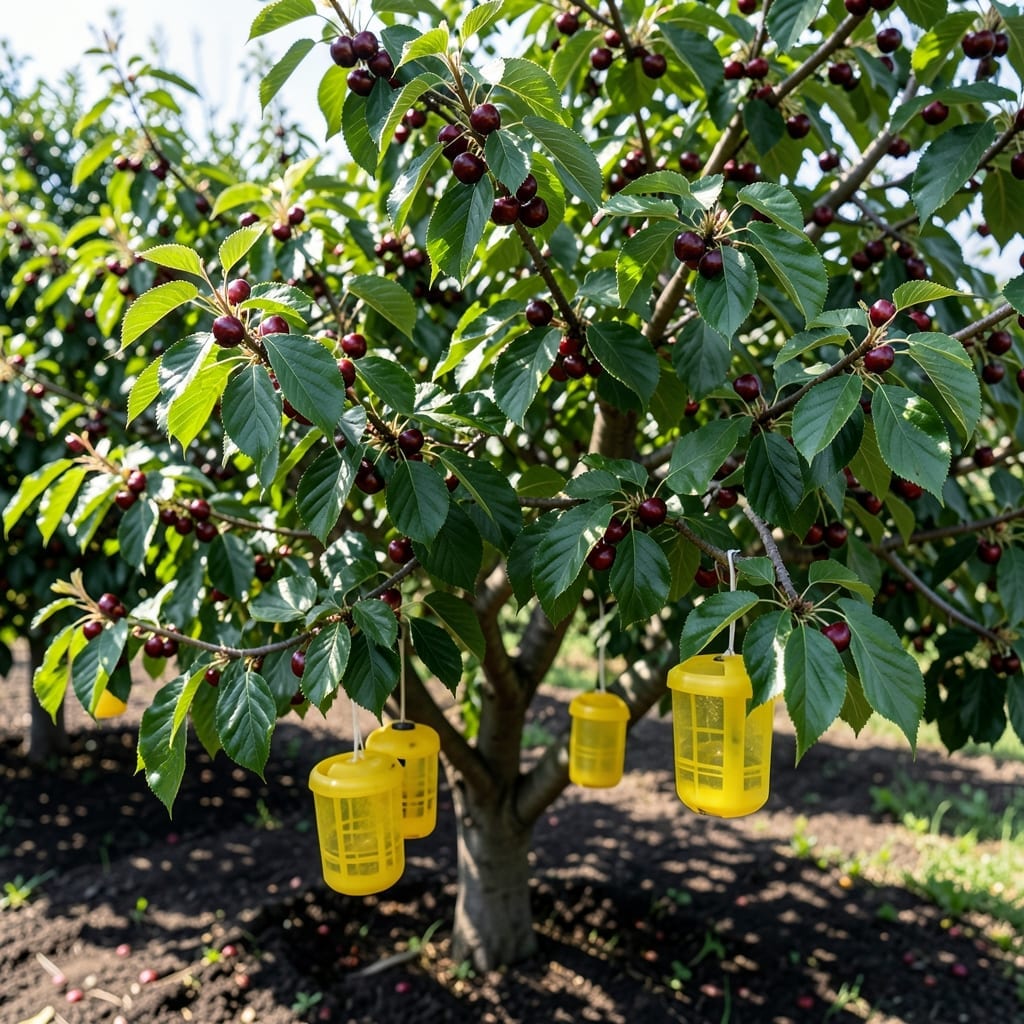
I lost half my cherry crop to fruit flies last summer. This DIY trap method stopped them cold and saved the rest of my harvest.
Mix apple cider vinegar with a drop of dish soap in a jar. The flies can’t resist the scent, but the soap breaks the surface tension. They drown before reaching your cherries.
Hang 3-4 traps per tree starting when fruit begins to color. Check weekly and refresh the mixture as needed.
Works for organic gardens and stops the cycle before it starts. Your cherries stay clean and ripe for picking.
The presence of cherry fruit flies, also known as Rhagoletis cingulata, is primarily driven by environmental and biological factors. Understanding these causes helps in effectively deploying traps like vinegar and dish soap lures.
Cherry fruit flies are attracted to ripening fruits, particularly cherries, as they provide ideal conditions for egg-laying and larval development. As fruit sugars ferment, they release volatile compounds that signal to flies that the host is ready for infestation. This is why traps are most effective during peak ripening seasons, typically late spring to early summer.
Temperature plays a critical role in the life cycle of cherry fruit flies. Adult flies emerge and become active when temperatures consistently reach 70–85°F (21–29°C). Warmer climates accelerate their reproduction cycle, leading to higher population densities. This is why infestations are more common in regions with mild to hot summers.
Fallen or overripe cherries left on the ground create a breeding haven for fruit flies. These fruits emit stronger odors, attracting flies to lay eggs. The larvae then feed on the decaying matter, completing their development. Removing fallen fruit and maintaining orchard hygiene can significantly reduce infestation risks.
In ecosystems where natural predators (e.g., birds, parasitic wasps) are scarce, cherry fruit fly populations can thrive unchecked. Without these biological controls, the flies multiply rapidly, increasing the need for human intervention like traps or organic sprays.
Dealing with cherry fruit flies doesn’t have to be a losing battle. Here’s how to tackle the issue head-on with practical, easy-to-follow solutions.
If you notice small punctures or soft spots on your cherries, fruit flies are likely laying eggs inside. Create a simple trap using a plastic bottle: fill it with a mix of apple cider vinegar, dish soap, and a bit of sugar. The flies are drawn to the scent, but the soap breaks the surface tension, trapping them. Hang these traps near your trees, ideally at eye level or slightly higher.
Fallen, rotting cherries are a magnet for fruit flies. Pick up and dispose of any overripe or damaged fruit from the ground daily. Compost it far from your garden or seal it in a trash bag to prevent attracting more pests. This simple step can significantly reduce the local fruit fly population.
For a natural preventative measure, spray neem oil on your cherry trees weekly. Neem oil disrupts the life cycle of fruit flies and acts as a repellent. Mix it with water and a drop of dish soap to help it adhere to the leaves and fruit. Apply in the early morning or late evening to avoid harming beneficial insects like bees.
Prevention Tips:
Refresh the vinegar and dish soap mix every 3-5 days or when it becomes cloudy. Flies are less attracted to old bait, and fresh traps catch more pests.
Yes, red wine or beer also work as lures. Avoid sweet liquids like soda—they attract bees and wasps along with fruit flies.
The soap breaks the liquid’s surface tension, causing flies to sink and drown. Without it, they can land and escape.
Use 3-4 traps for small trees and up to 6-8 for larger ones. Distribute them evenly around the canopy for best results.