
Beautiful Plants For Your Interior
Beautiful Plants For Your Interior
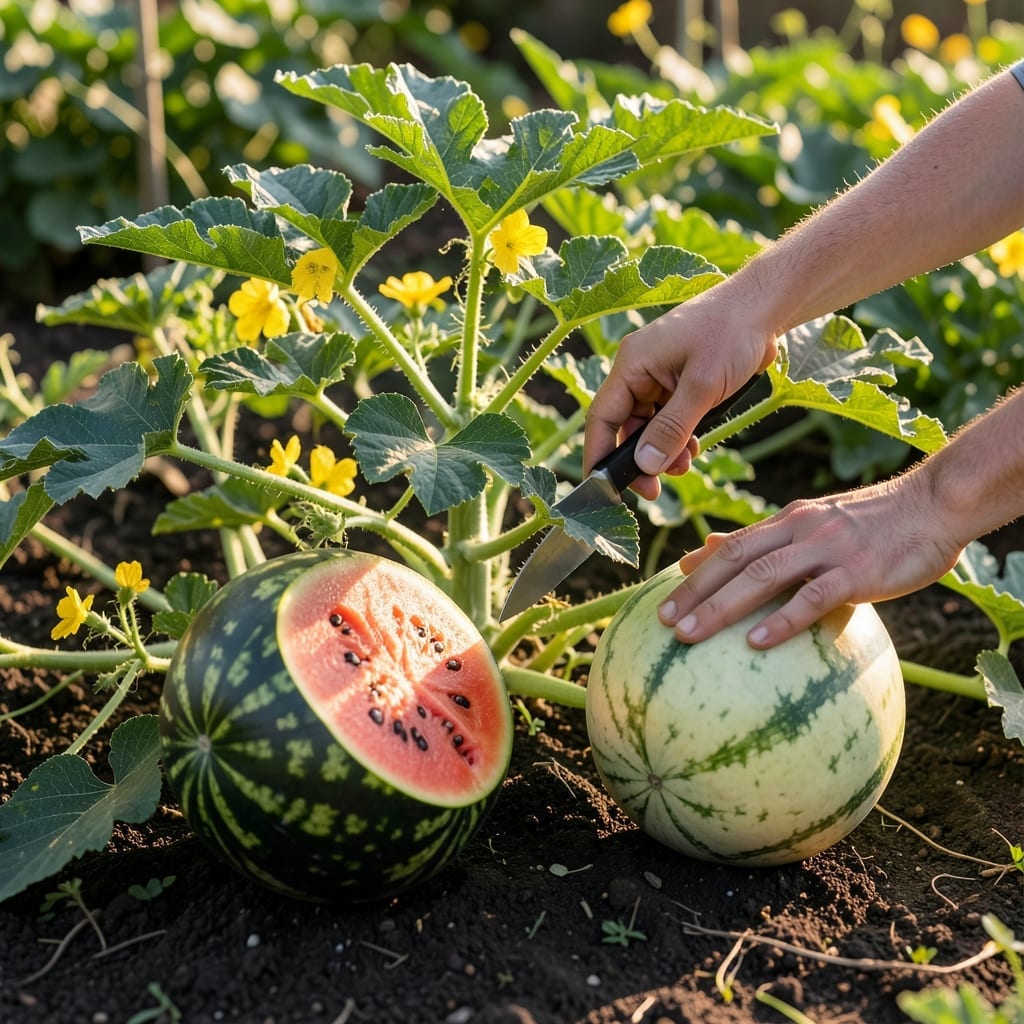
Nothing ruins summer like cutting into an unripe watermelon. That first bite should burst with sweetness, not disappointment. I’ve been there—standing in the garden, wondering if today’s the day to harvest.
Checking watermelon ripeness isn’t guesswork. With a few simple tricks, you can tell if your 🍉 Watermelon is ready for picking. No fancy tools required—just your senses and a little know-how.
From the tendril test to the thump method, I’ll walk you through the most reliable ways to confirm ripeness. These techniques ensure you harvest at peak flavor every time.
Discover how to avoid the heartbreak of an underripe melon. Your taste buds—and your garden pride—will thank you.
I’ve tested countless ways to check watermelon ripeness, and some methods are far more reliable than others. The key is combining visual, auditory, and tactile cues for accuracy. Here’s what works best in my garden.
Nothing beats the satisfaction of harvesting a perfectly ripe watermelon. But timing is everything—too early, and it’s bland; too late, and it’s mushy. I’ll share the field-tested techniques I rely on every season.
Let’s start with the tendril method. The curly vine opposite the stem turns brown and crispy when the melon is ripe. This is one of the most reliable signs I’ve found.
The ground spot is another clear indicator. A white or pale green spot means it’s not ready, but a buttery yellow one shows it’s perfect. This works for all varieties in my experience.
Now, thumping takes practice. A high-pitched sound means it’s underripe, while a low, resonant thud means it’s sweet. I tap several melons to compare sounds for consistency.
The stem check is subtler. As the melon ripens, the stem dries out and pulls away slightly. If it’s still green and firm, wait a few days before testing again.
Finally, sugar spots are tiny amber-colored patches under the rind. These develop as sugars accumulate, so more spots usually mean sweeter flesh. I look for these on the underside of the melon.
I always combine at least two methods for the best results. For example, I’ll check the tendril and ground spot together, then confirm with a quick thump. This way, I’m never left guessing.
Remember, watermelon ripeness depends on variety and climate. In hotter areas, melons may mature faster, so I start checking 5-7 days earlier than the seed packet suggests.
✂️Even experienced gardeners can misjudge watermelon ripeness. I’ve seen perfectly sized melons that were still unripe inside. Relying only on size or color often leads to disappointment at harvest time.
Weather plays a bigger role than many realize. A cool, cloudy week can delay ripening, while heat waves may speed it up. Ignoring these factors means you might harvest too early or too late.
⚠️ Avoid These Ripeness Pitfalls
The thumping method confuses many gardeners. A high-pitched sound means the watermelon needs more time, while a deep, hollow thud indicates it’s ready. Misinterpreting these sounds is a common mistake.
Another frequent error is ignoring variety differences. A Sugar Baby may ripen faster than a Charleston Gray. Each type has its own timeline and signals, so know your variety’s specifics.
Don’t forget to check the ground spot—the area where the melon touches the soil. A creamy yellow color means it’s ripe, while white or pale green means it’s still developing.
Finally, resist the urge to harvest too early out of excitement. Patience pays off with sweeter, juicier watermelons. Trust the signs, not just your eagerness. ☀️