
Beautiful Plants For Your Interior
Beautiful Plants For Your Interior
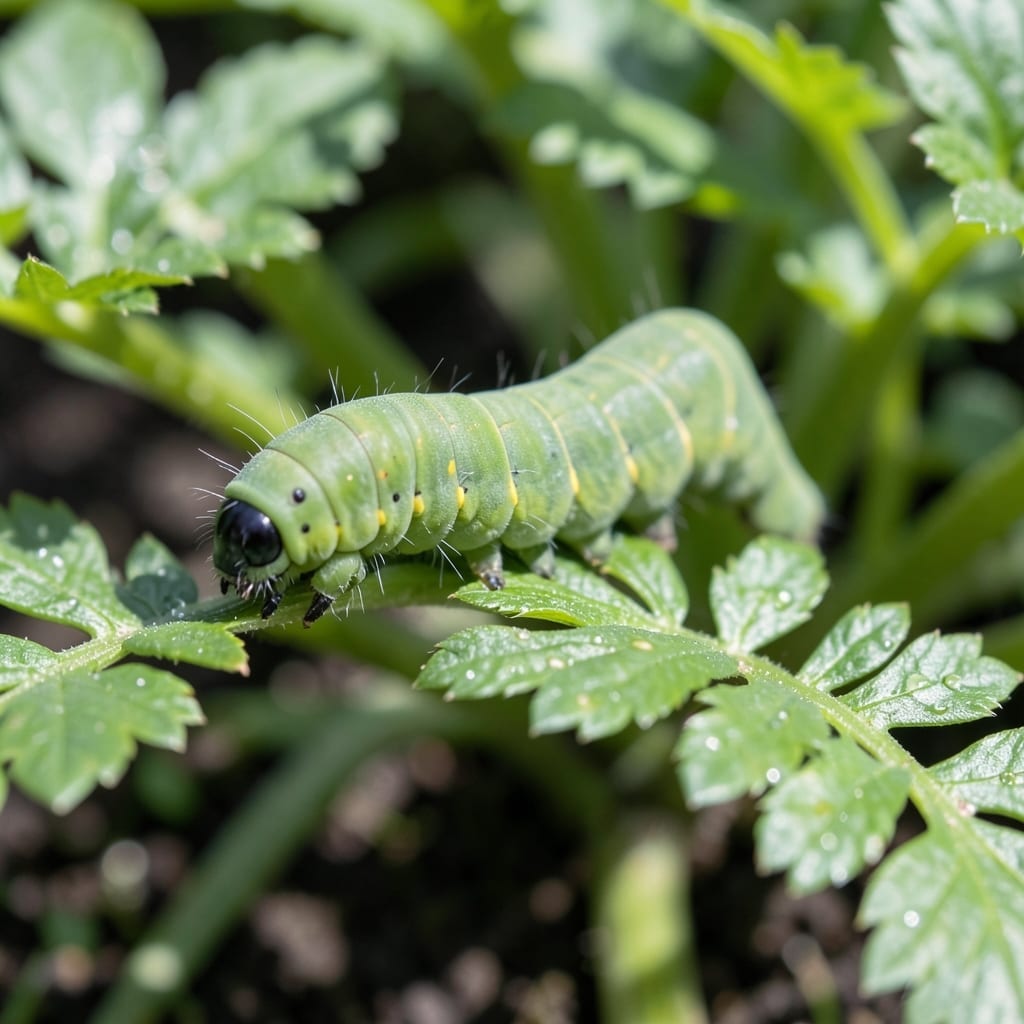
My first carrot crop looked perfect until I noticed the leaves disappearing overnight. Tiny green caterpillars were the culprits, and they can strip a row bare in days if left unchecked.
These pests are usually parsley worms or armyworms, both of which love carrot foliage. The damage starts with small holes that quickly expand into skeletonized leaves, stunting growth and reducing yields.
I’ve found that hand-picking in the early morning works best, but for larger infestations, organic sprays like Bt (Bacillus thuringiensis) stop them fast without harming beneficial insects.
Prevent future problems with row covers or by planting dill and fennel nearby—they attract predators that keep caterpillar numbers down naturally.
Caterpillars munching on your carrot leaves is a common garden frustration, but understanding why it happens is the first step to stopping it. Here are the primary reasons these pests target your crops:
Carrot leaves are a soft, nutrient-rich food source for many caterpillar species, including the carrot rust fly larva and black swallowtail caterpillars. These insects are naturally drawn to the tender foliage, which provides the moisture and nutrients they need to grow. Carrots, being part of the Apiaceae family, release volatile organic compounds that attract certain moths and butterflies to lay their eggs nearby.
In many gardens, natural predators like birds, parasitic wasps, or ground beetles are absent or insufficient to control caterpillar populations. Without these checks, caterpillars thrive and multiply, leading to widespread leaf damage. Overuse of broad-spectrum pesticides can worsen this by killing off beneficial insects that would otherwise keep caterpillar numbers in check.
Planting large blocks of carrots (or other Apiaceae crops like parsley or dill) creates an ideal feeding ground for caterpillars. Monocultures eliminate biodiversity, which reduces the presence of predator habitats and alternative food sources for pests. This makes your carrots an easy, concentrated target.
Warm, moist weather accelerates caterpillar growth and reproduction. Eggs laid on carrot leaves hatch faster in humid conditions, and the larvae feed more aggressively. Drought-stressed plants may also produce weaker leaves, which are easier for caterpillars to consume.
Dealing with caterpillars munching on your carrot leaves can be frustrating, but these practical solutions will help you reclaim your garden. Target the root causes with these fixes and prevention tips to keep your carrots thriving.
Inspect your carrot plants regularly, especially the undersides of leaves, for caterpillars or eggs. Wear gloves and pluck them off by hand, dropping them into a bucket of soapy water to ensure they don’t return. Do this in the early morning or late evening when caterpillars are most active. Prevention tip: Check plants daily during peak growing seasons to catch infestations early.
Encourage beneficial insects like ladybugs, lacewings, and parasitic wasps, which feed on caterpillars and their eggs. Plant companion flowers such as dill, fennel, or alyssum to attract these predators. Avoid broad-spectrum pesticides, as they can harm these helpful allies. Prevention tip: Maintain a diverse garden ecosystem to naturally keep pest populations in check.
For a quick knockdown, use organic sprays like Bacillus thuringiensis (Bt) or neem oil. Bt is a bacteria that targets caterpillars specifically, while neem oil disrupts their life cycle. Spray in the early morning or late evening for best results, and reapply after rain. Prevention tip: Rotate sprays to prevent caterpillars from developing resistance.
Install floating row covers over your carrot beds to create a physical barrier against adult moths laying eggs. Secure the edges with soil or weights to prevent gaps. Remove covers during flowering if you want to allow pollinators access. Prevention tip: Use covers as soon as you plant seeds to stop infestations before they start.
Caterpillars thrive in cluttered gardens. Remove plant debris, weeds, and fallen leaves regularly to eliminate hiding spots and breeding grounds. Till the soil after harvest to expose and destroy pupae. Prevention tip: Practice crop rotation to avoid replanting carrots in the same spot year after year.
They’re tiny, round, and yellow or white, often laid singly on leaf undersides. Use a magnifying glass to spot them—they’re only about 1mm across.
Most caterpillars only eat foliage, but severe defoliation weakens plants and reduces root growth. The carrot rust fly larva is the exception—it burrows into roots.
Reapply every 1-2 weeks or after rain. Bt breaks down quickly in sunlight, so evening applications work best. Always follow label instructions.
Yes, but it’s less effective on foliage since caterpillars don’t crawl on the ground much. Focus on soil application for best results.