
Beautiful Plants For Your Interior
Beautiful Plants For Your Interior
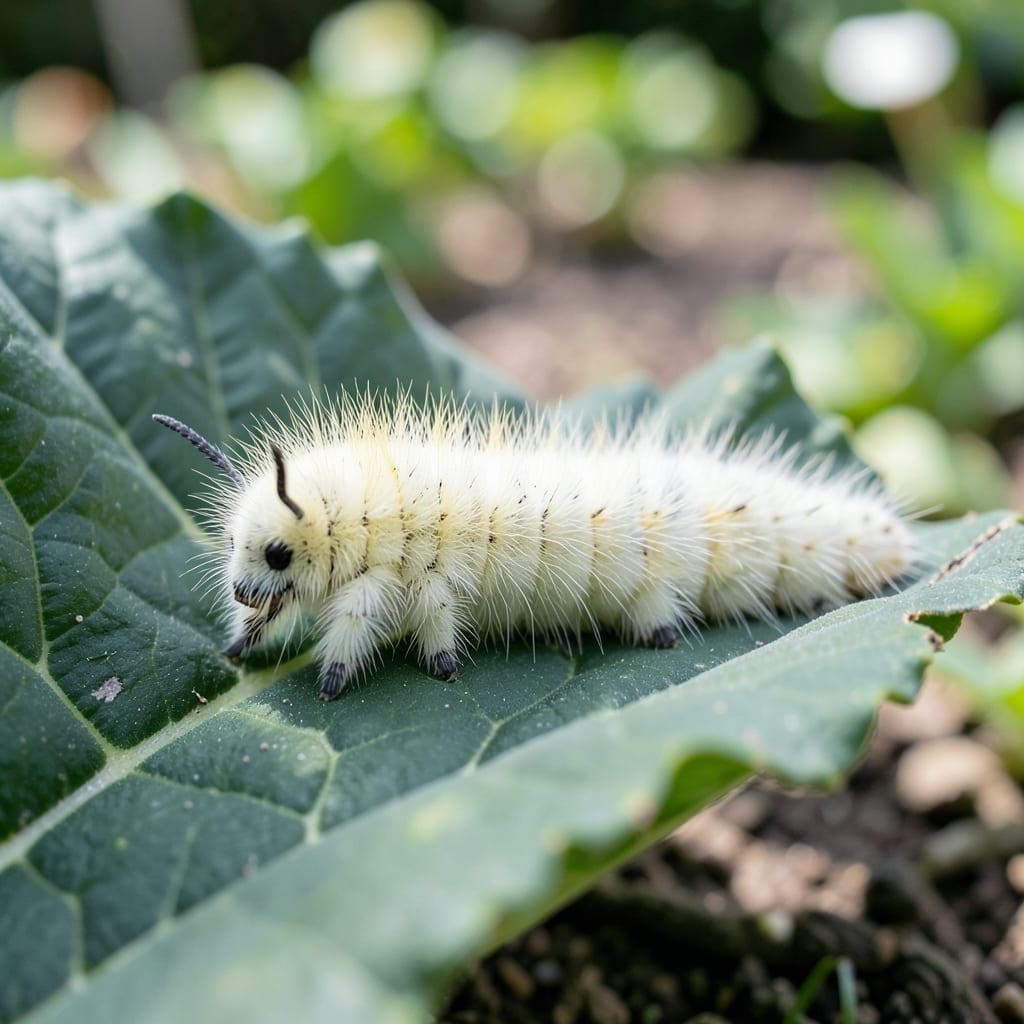
White caterpillars on your plants are sneaky garden saboteurs. I first spotted them on my cabbage leaves last summer, munching away while I thought my crop was safe.
These pests love cruciferous veggies like kale and broccoli, but they’ll attack tomatoes and ornamentals too. The damage looks like irregular holes in leaves, and they multiply fast if left unchecked.
Organic solutions work best—handpicking, neem oil, or introducing beneficial wasps. Chemical sprays are effective but can harm pollinators and other helpful insects.
Catching them early means less damage and healthier plants. Here’s how to spot them and stop the infestation before it spreads.
White caterpillars often result from specific biological or environmental triggers. Below are the primary causes, explained with actionable insights.
Fungal pathogens like Beauveria bassiana or Metarhizium anisopliae can infect caterpillars, leading to a white, powdery or fuzzy appearance as spores develop on their bodies. These fungi thrive in humid, warm conditions and spread through direct contact or contaminated foliage. To prevent this, improve airflow around plants and avoid overhead watering.
Parasitoid wasps (e.g., Cotesia spp.) lay eggs inside caterpillars. As the larvae mature, they consume the host from within, often causing the caterpillar’s skin to turn translucent white or pale before emerging. This is a natural form of pest control—encourage wasps by planting nectar-rich flowers like dill or fennel.
Some caterpillars, like the cabbage looper, temporarily turn pale or white during molting as they shed their exoskeleton. This is a normal developmental phase and typically lasts 12–24 hours. Avoid disturbing them during this vulnerable period to ensure healthy growth.
Contact with chemical pesticides (e.g., pyrethroids) can bleach a caterpillar’s coloration, leading to a ghostly white hue. This often indicates poisoning and may be fatal. Opt for organic alternatives like neem oil or Bacillus thuringiensis (Bt) to target pests without harming beneficial insects.
Dealing with white caterpillars in your garden? Here’s how to tackle the issue effectively with practical, organic solutions for each common cause.
White caterpillars thrive in dense, overgrown areas. Thin out plants to improve airflow and reduce hiding spots. Space seedlings properly during planting, following guidelines for each species. This not only deters caterpillars but also promotes healthier growth.
Prevention tip: 💡 Rotate crops annually to disrupt pest life cycles and avoid recurring infestations.
Encourage or introduce natural predators like ladybugs, lacewings, or parasitic wasps. These insects feed on caterpillar eggs and larvae, keeping populations in check. Plant nectar-rich flowers (e.g., marigolds, alyssum) to attract them.
Prevention tip: 🌡️ Avoid broad-spectrum pesticides, which can harm beneficial insects along with pests.
Weak plants are more susceptible to pests. Amend soil with compost or well-rotted manure to improve fertility. Healthy, vigorous plants can better resist caterpillar damage.
Prevention tip: ✨ Test soil pH regularly and adjust as needed to create an unfavorable environment for pests.
For small infestations, handpick caterpillars and drop them into soapy water. For larger areas, use floating row covers to physically block adult moths from laying eggs on plants.
Prevention tip: 🎯 Inspect plants weekly, especially the undersides of leaves, to catch caterpillars early.
Combine these methods for the best results, and always prioritize organic, eco-friendly solutions to protect your garden’s ecosystem.
Fungal infections, parasitic wasps, molting, or pesticide exposure can make them appear white. Each cause has distinct signs, like powdery spores or translucent skin.
Yes, they often indicate an infestation that can quickly defoliate plants. Cabbage loopers and other white caterpillars chew large holes in leaves, stunting growth.
Encourage beneficial insects like wasps and ladybugs by planting nectar-rich flowers. Use row covers and inspect plants weekly to catch issues early.