
Beautiful Plants For Your Interior
Beautiful Plants For Your Interior
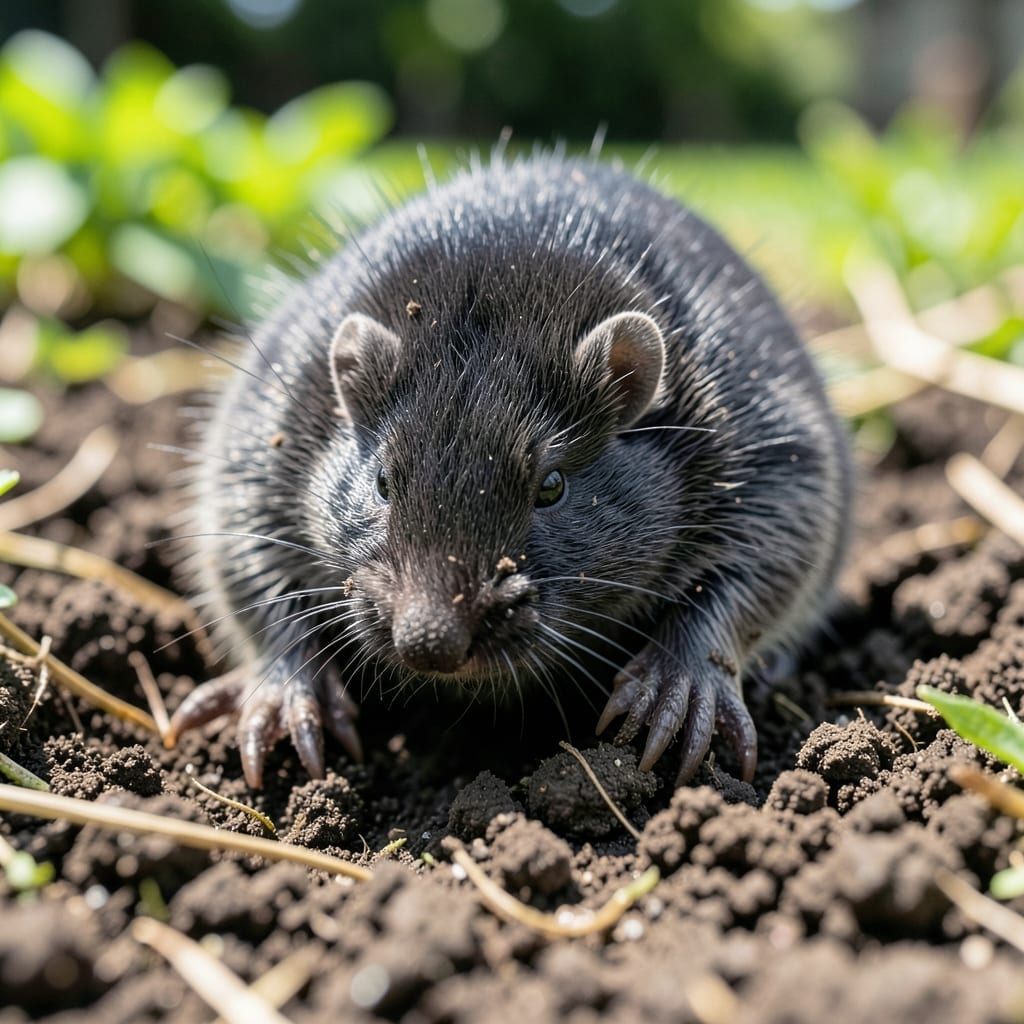
Those little mounds in your yard aren’t just ugly—they’re a sign moles have moved in. I spent years battling these underground pests until I found a way to relocate them without harm.
The key is understanding they’re not eating your grass. They’re hunting grubs and worms, leaving tunnels behind. My lawn went from a minefield to smooth in two weeks with the right approach.
You’ll learn to spot active tunnels, set humane traps, and prevent future visits. The best part? No chemicals, just smart pest management.
Works for any yard size, and the moles get a second chance somewhere else. Here’s how to reclaim your lawn.
Moles may seem like uninvited guests, but their presence is usually tied to specific environmental conditions. Understanding these causes helps you address the root of the problem rather than just the symptoms. Below are the most common reasons moles take up residence in your yard.
Moles primarily feed on grubs, earthworms, and insects lurking in healthy soil. If your lawn has a thriving population of these creatures—often due to overwatering or excessive organic matter—moles will be drawn in. A single mole can consume up to 70-100% of its body weight in food daily, making a bug-rich yard irresistible.
Moles prefer soil that’s soft and damp, as it’s easier to tunnel through. Overwatered lawns, poor drainage, or clay-heavy soil create ideal digging conditions. Their tunnels also help them escape predators, so loose, aerated earth is a double incentive for them to stay.
Your yard offers more than food—it provides protection and breeding grounds. Moles dig deep burrows (up to 10 feet below surface) for nesting, especially in undisturbed areas like garden beds or under sheds. If your lawn has thick mulch, tall grass, or piles of leaves, it’s essentially a “Vacancy” sign for moles.
In balanced ecosystems, owls, snakes, and foxes keep mole populations in check. However, urban and suburban yards often lack these predators, allowing moles to thrive unchecked. Even domestic pets like cats or dogs may not be effective deterrents if the moles’ tunnels are too deep or extensive.
Dealing with moles in your yard can be frustrating, but the right approach can restore your lawn without harm. Here’s how to tackle the most common causes and keep your yard mole-free.
Moles love soft, damp soil teeming with grubs. Fix it: Aerate your lawn to reduce compaction and improve drainage. Consider adding organic matter like compost to create a less inviting environment. For existing molehills, level them out and monitor for new activity.
Prevention tip: 💡 Water your lawn in the early morning to allow the soil to dry out during the day, making it less attractive to moles.
Moles are drawn to yards with a buffet of insects. Fix it: Apply a natural grub control treatment, such as milky spore or beneficial nematodes, to reduce their food supply. Avoid overusing chemical pesticides, as they can harm beneficial soil organisms.
Prevention tip: 🎯 Keep your lawn healthy with proper mowing and fertilization to discourage grub infestations.
If moles are entering from neighboring areas, a physical barrier can stop them in their tracks. Fix it: Bury hardware cloth or aluminum edging at least 2 feet deep around garden beds or the perimeter of your yard. This blocks their underground tunnels.
Prevention tip: ✨ Regularly inspect your yard for new tunnels or mounds and address them promptly.
Tall grass and dense plants provide cover for moles. Fix it: Keep your lawn and garden beds well-maintained. Trim overgrown areas and remove leaf litter or mulch buildup where moles might hide.
Prevention tip: 🌡️ Maintain a consistent lawn care routine to eliminate hiding spots and discourage mole activity.
Scissor-jaw or tunnel traps work best when placed in active runs. Check for fresh digs daily and set traps perpendicular to the tunnel for the highest catch rate.
Position traps 6-12 inches below the surface in main tunnels, not surface ridges. Cover with soil or a board to block light, which encourages moles to enter.
Yes, castor oil-based repellents make soil unpalatable. Apply after rain for best absorption, but reapply every 2-3 weeks or after heavy watering.
Early morning or late evening when moles are most active. Spring and fall are peak seasons, as they’re searching for food before winter or after hibernation.