
Beautiful Plants For Your Interior
Beautiful Plants For Your Interior
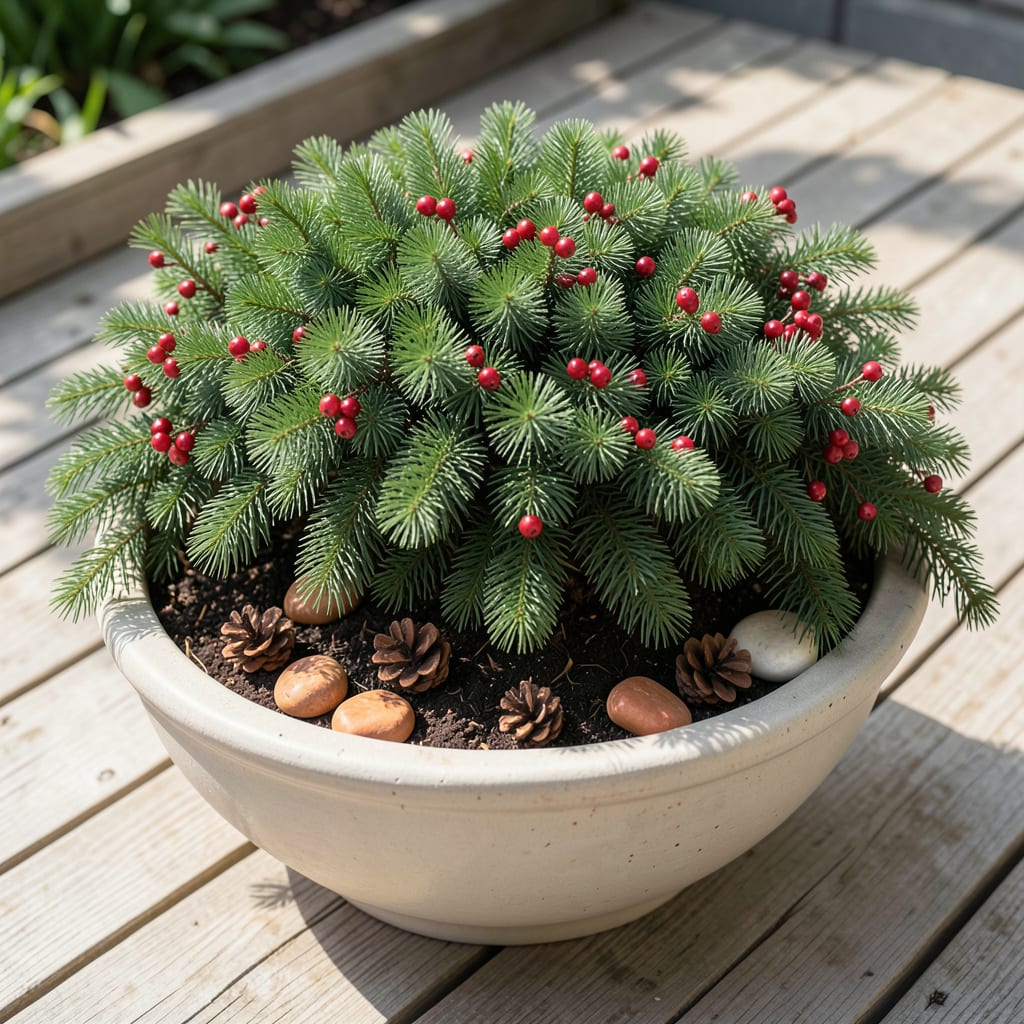
Taxus shrubs reward patience with year-round deep green foliage. I’ve learned these evergreens thrive with consistent care, not constant fuss.
Once established, they handle dry spells and poor soil better than most. The key is proper watering early on and avoiding heavy pruning—this plant grows slowly but stays tough for decades.
📚 In This Guide
Here’s the method I rely on to keep these evergreens thriving in any landscape.
Choose a location with partial to full sun—at least 4-6 hours of direct sunlight daily. Taxus adapts well to various light conditions but performs best with morning sun and afternoon shade in hotter climates. Ensure the soil is well-draining with a pH between 6.0 and 7.5; these plants despise waterlogged roots.
If planting multiple specimens, space them 3-6 feet apart depending on the mature spread of your variety. Dig a hole twice as wide as the root ball but no deeper. I always rough up the sides of the hole to encourage root penetration into the surrounding soil.
Water deeply immediately after planting, ensuring the soil is moist to a depth of 12 inches. For the first 2-3 weeks, maintain consistent moisture—check that the top 2-3 inches of soil remain damp but not soggy. This encourages deep root growth, which is critical for long-term drought tolerance.
Once established (typically after 1 growing season), Taxus becomes remarkably drought-resistant. At that point, water only during prolonged dry spells, giving 1-1.5 inches per week. Mulch with 2-3 inches of organic material to retain moisture and regulate soil temperature.
Apply a balanced, slow-release fertilizer (10-10-10 or similar) in early spring, just as new growth begins. I use 1 pound per 100 square feet of planting area, scattering it evenly around the base and watering it in thoroughly. Avoid high-nitrogen fertilizers—they promote excessive foliage growth that’s susceptible to winter burn.
A second light application in early fall can help maintain color through winter, but stop fertilizing by late summer to prevent tender new growth that won’t harden off before cold weather. Yellowing needles often signal nutrient deficiency, particularly in alkaline soils where iron may be locked up.
Prune in early spring before new growth emerges, or in late summer after the first flush of growth has hardened. Taxus tolerates heavy pruning, but I never remove more than one-third of the foliage in a single session. Use sharp, clean shears to make precise cuts.
For hedges, maintain a slightly wider base than top to ensure sunlight reaches lower branches. If you’re shaping individual specimens, step back frequently to check your work—Taxus grows slowly, so mistakes take time to correct. Always sterilize pruning tools between cuts with rubbing alcohol to prevent disease transmission.
Inspect plants regularly for common issues like bagworms or scale insects, which appear as small, immobile bumps on stems. Treat infestations with horticultural oil in early morning or late evening to avoid leaf burn. Taxus is also susceptible to root rot in poorly drained soils, so monitor for wilting or yellowing despite adequate water.
For deer-prone areas, consider protective fencing or repellents, as Taxus is a favorite browse. The evergreen foliage should maintain its deep green color year-round; if you notice browning from the inside out, it’s often a sign of winter desiccation—apply an anti-desiccant spray in late fall for added protection.
These practical insights will help you avoid common pitfalls and keep your evergreens thriving.
Site Selection Wisdom: The 4-6 hours of direct sunlight requirement in Step 1 is non-negotiable for vibrant growth. In hotter climates, morning sun with afternoon shade prevents leaf scorch. I always test soil drainage before planting by digging a 12-inch hole and filling it with water—if it doesn’t drain within an hour, choose another spot.
Watering Technique: During the critical 2-3 weeks after planting mentioned in Step 2, I use a moisture meter to ensure the top 2-3 inches of soil stay consistently damp. Overwatering is just as dangerous as underwatering—soggy soil causes root rot, which is irreversible. Once established after that 1 growing season, Taxus becomes nearly drought-proof.
Pruning Precision: In Step 4, when pruning in early spring or late summer, always sterilize tools between cuts. I learned this the hard way after spreading fungal disease between plants. The one-third foliage removal limit is critical—removing more stresses the plant and can lead to dieback.
Pest Vigilance: Step 5 mentions bagworms and scale insects for a reason. These pests multiply rapidly if left unchecked. I inspect my Taxus weekly during growing season, paying special attention to the undersides of branches where scale insects hide. Horticultural oil works best when applied in early morning or late evening as specified.
Water newly planted Taxus deeply once a week for the first year. Established shrubs need watering every 2-3 weeks, depending on rainfall. Avoid overwatering—let the soil dry slightly between waterings.
Prune in early spring before new growth starts or in late summer. Avoid heavy pruning in late fall, as it may encourage tender growth before winter. Light trimming can be done anytime to shape.
Taxus tolerates full shade but thrives in partial shade to full sun. In deep shade, growth may be sparse, and foliage can appear less dense. Aim for at least 4-6 hours of sunlight daily for best results.
Brown leaves often signal winter burn, drought stress, or root rot from poor drainage. Check soil moisture and ensure good airflow. Trim damaged foliage in spring to encourage healthy regrowth.
Yes! Consider boxwood, inkberry holly, or spruce for deer-resistant options. These provide similar evergreen appeal with less risk of browsing damage. Always use repellents for added protection.
