
Beautiful Plants For Your Interior
Beautiful Plants For Your Interior
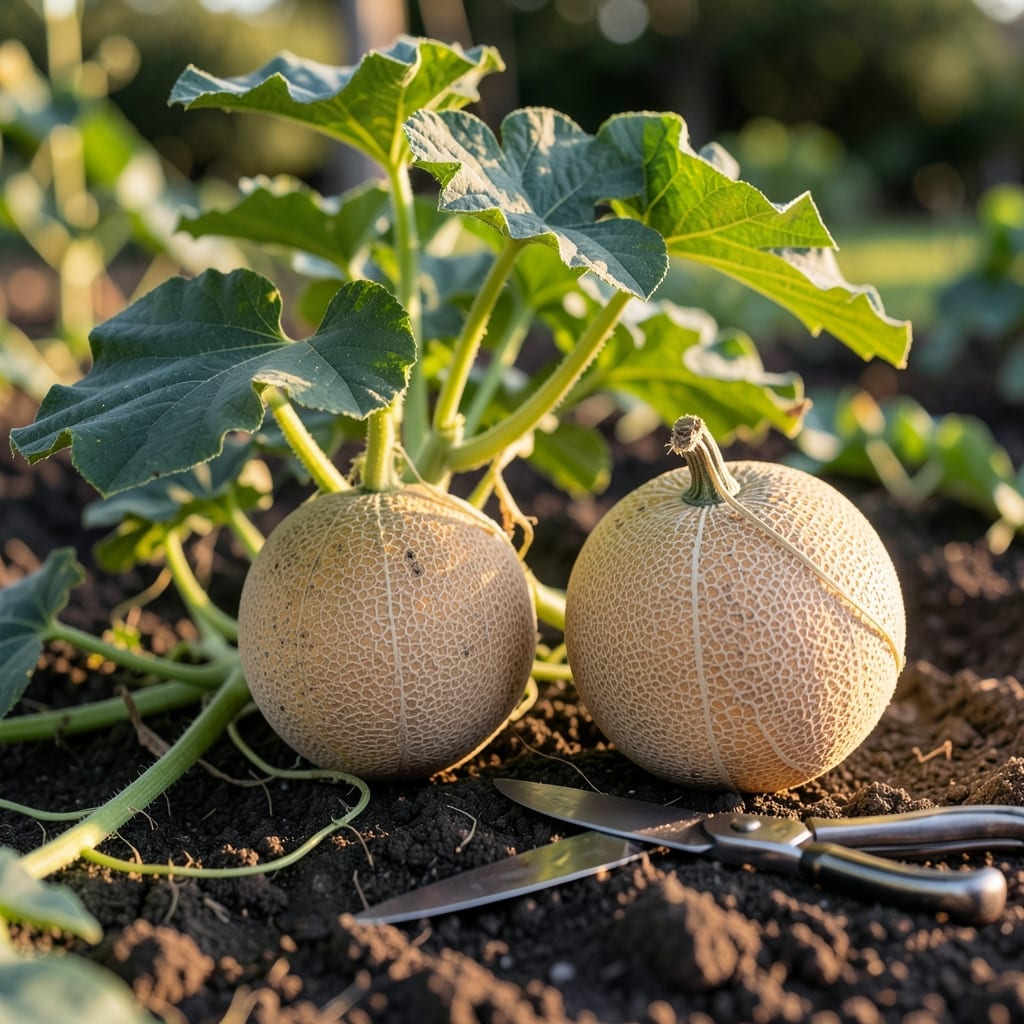
There’s nothing quite like biting into a perfectly ripe 🍈 Cantaloupe—sweet, juicy, and bursting with summer flavor. But timing your harvest just right can be tricky.
I’ve learned that missing the ideal window by even a few days can turn that dream melon into a disappointing one. The difference between underripe and perfectly ripe is subtle but game-changing.
That’s why mastering the stem slip method is so important. It’s the most reliable way to know your fruit is ready, and I’ll show you exactly how to use it.
You’ll also discover other telltale signs to confirm ripeness, so you can enjoy the sweetest harvest every time. Let’s get started.


I’ve found the stem slip method is the gold standard for determining cantaloupe harvest time. It’s a foolproof way to ensure your melons are at peak sweetness and ready to enjoy. This technique relies on a natural process where the fruit detaches from the vine.
When a cantaloupe is ripe, the stem loosens at the point where it connects to the vine. Instead of pulling the fruit, I gently apply pressure to see if it slips off easily. If it does, it’s ready. If not, I leave it for a few more days.
A fully ripe cantaloupe will separate from the vine with minimal effort. If you have to tug, it’s not ready. This method ensures the best flavor and texture every time.
The stem slip method works because as the fruit ripens, a layer of cells at the base of the stem, called the abscission layer, begins to dry out. This is the plant’s way of signaling that the cantaloupe is ready to harvest.
One common mistake I see is harvesting too early. If the stem doesn’t slip, the melon isn’t ripe, even if it looks ready. Picking it early can result in a bland, underripe fruit. Patience is key with cantaloupes.
Another sign to watch for is the color change under the netting. As the cantaloupe ripens, the rind turns from green to tan or beige. This, combined with the stem slip, is a sure sign it’s time to pick.
I also check the aroma at the stem end. A ripe cantaloupe will have a sweet, musky scent that’s hard to miss. If there’s no smell, the fruit isn’t ready yet, even if the stem slips slightly.
The netting on the rind becomes more pronounced and rough as the cantaloupe matures. This is another visual cue that the fruit is nearing harvest time. But remember, the stem slip is the most reliable indicator.
If you’re growing multiple cantaloupes, check each one individually. They don’t all ripen at the same time, even on the same vine. I make it a habit to inspect my plants every 2-3 days during the harvest window.
Finally, handle your cantaloupes with care. Bruising can shorten their shelf life and affect flavor. I use a sharp knife or pruners to cut the stem if the fruit doesn’t slip easily, but this is a last resort.
With practice, you’ll get a feel for the perfect cantaloupe harvest time. The stem slip method, combined with these other signs, will help you pick the sweetest, juiciest melons every time. ☀️
While the stem slip method is my go-to, I always cross-check with other ripeness indicators. The rind color under the netting should shift from green to tan or beige. This change is subtle but clear when you know what to look for.
Another sure sign is the sweet melon aroma at the stem end. If you can smell that fruity fragrance, your cantaloupe is likely ready. Trust your nose—it’s often more reliable than you think.
🌱 Multiple Signs Confirm Ripeness
Cross-referencing the stem slip, color change, aroma, and netting texture ensures you pick at peak sweetness.
Don’t overlook the netting pattern on the rind. As the fruit matures, the netting becomes rougher and more pronounced. This texture change is a great visual cue that complements the others.
I also give the melon a gentle tap test. A ripe cantaloupe will produce a deep, hollow sound, while an unripe one sounds more solid. This takes a bit of practice, but it’s a handy skill to develop.
For the most accurate results, I recommend checking these three signs together: stem slip, color change, and aroma. When all three align, you can be confident your cantaloupe is ready to harvest.
Remember, morning harvesting is ideal. The fruit is at its freshest and most hydrated after a cool night, which helps preserve its sweetness and texture. ☀️