
Beautiful Plants For Your Interior
Beautiful Plants For Your Interior
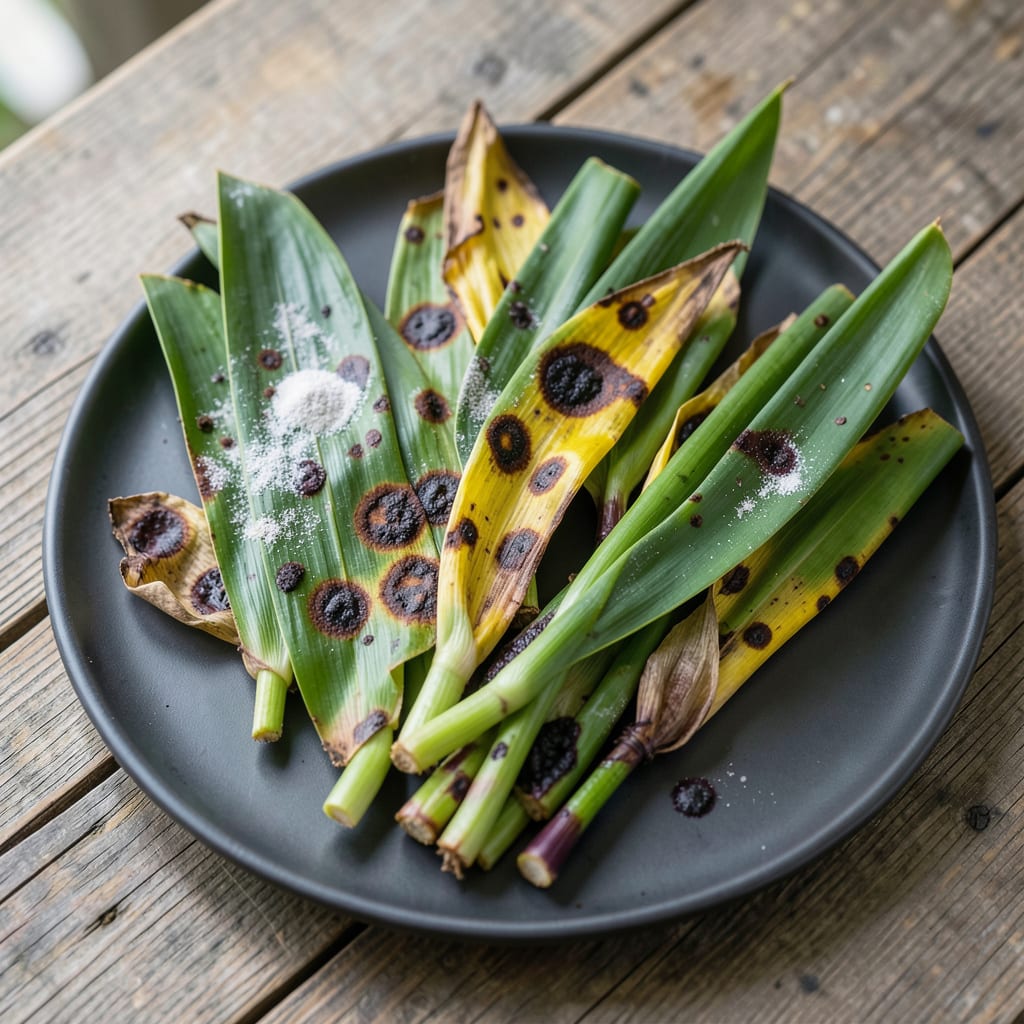
Spotted leaves or blackened stems on your cannas mean trouble. I’ve lost entire clumps to silent spreaders like rust and bacterial blight before I learned to catch them early.
Yellow streaks, brown edges, or fuzzy growth aren’t just ugly—they’re warnings. Most diseases start with too much moisture or poor air flow, and they move fast once they take hold.
With the right pictures and descriptions, you can identify the culprit in minutes and stop it before it wipes out your stand. Early action saves plants and next year’s tubers.
Works for garden beds, containers, or water features. Here’s how to spot and stop the most common issues.
Understanding why canna lily diseases occur is the first step toward prevention. Below are the primary causes, each with actionable insights to keep your plants thriving.
Fungi like Botrytis cinerea and Fusarium thrive in damp, poorly ventilated environments. Overwatering, high humidity, or crowded planting creates ideal conditions for spores to spread. Action: Space plants properly, water at the base, and remove infected foliage immediately.
Pests such as Japanese beetles, aphids, and slugs weaken canna lilies by feeding on leaves and stems, making them susceptible to secondary infections. Action: Use organic pesticides or introduce beneficial insects like ladybugs.
Waterlogged soil suffocates roots and promotes root rot. Canna lilies prefer well-draining soil to prevent fungal growth. Action: Amend heavy clay soil with compost or sand to improve drainage.
Extreme heat, cold snaps, or sudden temperature swings stress the plant, lowering its defenses. Action: Mulch around the base to regulate soil temperature and protect from frost.
Diseases often spread via unclean pruning tools or infected soil. Action: Sterilize tools with rubbing alcohol and rotate planting locations to break disease cycles.
Don’t let diseases steal the show from your vibrant canna lilies! With the right fixes, you can restore their health and beauty. Below are practical solutions for common canna lily diseases, paired with prevention tips to keep them thriving.
If you notice brown or orange spots on the leaves, act fast. Remove infected foliage immediately to stop the spread. Apply a copper-based fungicide or a homemade mix of baking soda and water (1 tsp baking soda + 1 quart water + a few drops of dish soap) every 7–10 days until the issue clears.
Prevention tip: 💡 Avoid overhead watering—water at the base to keep leaves dry. Space plants properly for airflow.
Yellowing leaves and wilting often signal root rot, usually from soggy soil. Dig up the plant and trim away black, mushy roots with sterilized shears. Replant in well-draining soil and reduce watering. For severe cases, treat the remaining roots with a hydrogen peroxide solution (1 part 3% peroxide to 4 parts water) to kill fungus.
Prevention tip: 🌡️ Use raised beds or containers if your soil retains too much moisture. Ensure pots have drainage holes.
Viruses like canna yellow mottle cause stunted growth and mottled leaves. Unfortunately, there’s no cure—remove and destroy infected plants to prevent spreading. Disinfect tools with rubbing alcohol after handling.
Prevention tip: ✨ Control aphids, which spread viruses. Use neem oil or insecticidal soap as a deterrent.
Tiny webs and speckled leaves? Spider mites are likely the culprits. Blast them off with a strong stream of water, then apply insecticidal soap or horticultural oil. Repeat every 3–5 days until they’re gone.
Prevention tip: 🎯 Keep humidity up—mites thrive in dry conditions. Mist plants or use a humidity tray.
Look for brown or orange spots with yellow halos on leaves, or blackened stems. Fungal issues often start as small lesions that grow quickly in wet conditions. Remove affected foliage immediately to prevent spread.
Ensure well-draining soil and avoid overwatering. Use raised beds or containers if your garden has heavy clay. Water only when the top 1-2 inches of soil are dry.
Not always. Nutrient deficiencies or environmental stress can mimic viral symptoms. True viruses often cause mottled patterns and stunted growth. When in doubt, isolate the plant and monitor for spreading.
Yes, if caught early. Remove all infected leaves and apply copper fungicide weekly. Improve air circulation and avoid overhead watering. Severe cases may require destroying the plant to protect others.
