
Beautiful Plants For Your Interior
Beautiful Plants For Your Interior
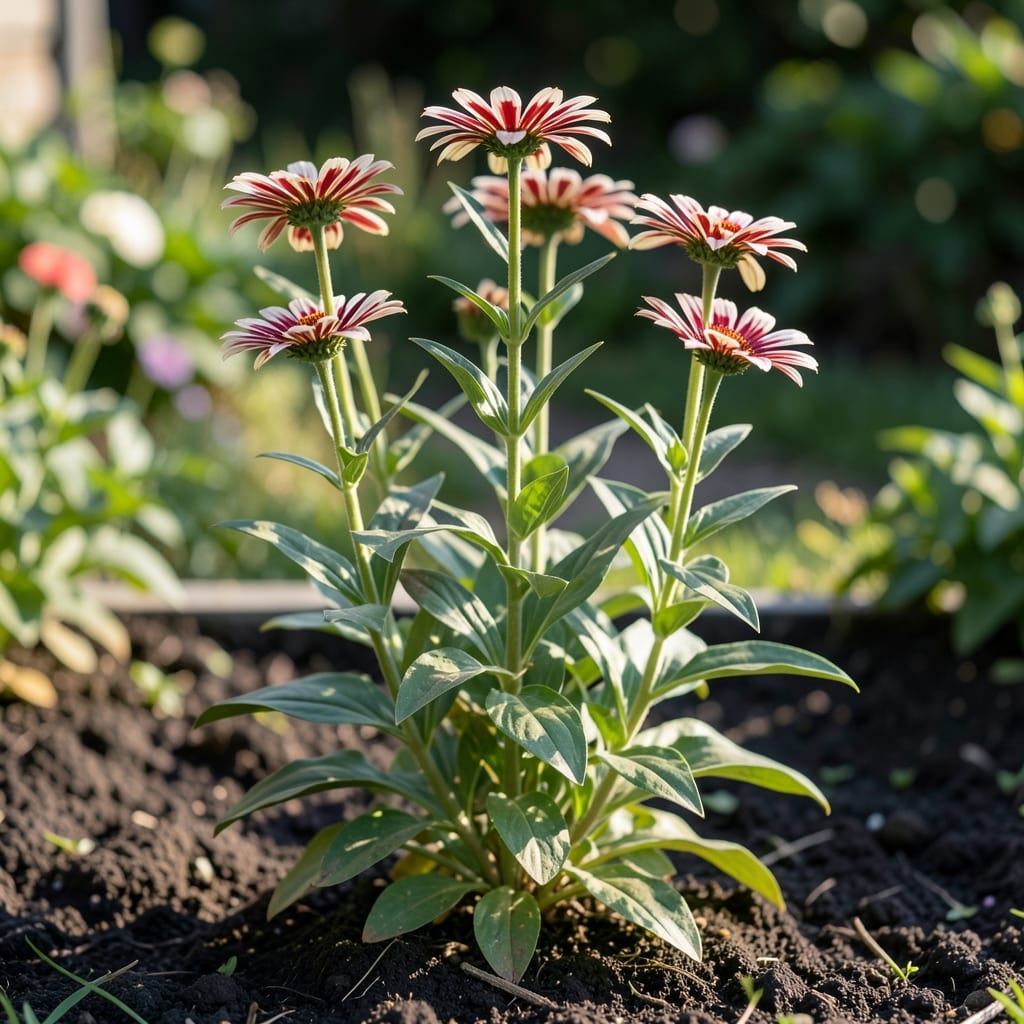
Striped summer magic starts with these eye-catching zinnias. I first spotted Candy Cane Zinnias at a local garden show and knew I had to grow them.
They thrive with full sun and well-draining soil, producing vibrant red-and-white blooms perfect for borders or bouquets. Plant seeds after the last frost and watch them grow 2-3 feet tall in no time.
📚 In This Guide
This method delivers vibrant, striped blooms with minimal effort and maximum summer impact.
Choose a location with full sun exposure for at least 6-8 hours daily. Candy cane zinnias thrive in well-draining soil, so amend heavy clay with compost to improve aeration. I always test drainage by digging a 12-inch hole and filling it with water—if it empties within 2-3 hours, you’re good to go.
Remove weeds and debris from the area to reduce competition for nutrients. Loosen the soil to a depth of 12-15 inches using a garden fork. This encourages deep root growth, which is critical for the tall, sturdy stems that support those iconic striped blooms.
Direct-sow seeds after the last frost when soil temperature reaches 70°F. Plant seeds ¼ inch deep and space them 6-12 inches apart, depending on the mature size of your variety. I plant in clusters of 3-4 seeds, then thin to the strongest seedling once they sprout.
If starting indoors, transplant seedlings after hardening off for 7-10 days. Dig a hole slightly larger than the root ball and place the seedling at the same depth it was in its container. Water immediately after planting to settle the soil around the roots.
Water deeply at the base of the plant 2-3 times weekly, allowing the top 1-2 inches of soil to dry between waterings. Zinnias are drought-tolerant once established, but consistent moisture during early growth prevents stunted development. I water in the morning to reduce evaporation and fungal risks.
Apply a balanced, water-soluble fertilizer every 3-4 weeks to promote strong stems and abundant blooms. Avoid high-nitrogen fertilizers, as they produce lush foliage at the expense of flowers. A 10-10-10 or 5-10-10 formula works well for candy cane zinnias.
Remove spent blooms regularly to encourage new flower production. Pinch off faded flowers just above a set of leaves or a side bud to maintain compact growth. I deadhead every 2-3 days during peak blooming season to keep the plants looking tidy and productive.
For bushier plants, pinch back the tips of young stems when they reach 12-18 inches tall. This forces the plant to branch out, resulting in more blooms. If your zinnias grow leggy, it’s often a sign they need more light or a light pruning to redirect energy.
Keep an eye out for common issues like powdery mildew, which appears as a white, dusty coating on leaves. Improve air circulation by spacing plants properly and watering at the base. I thin crowded areas immediately if I notice reduced airflow.
Aphids and spider mites can also be problematic. Spray them off with a strong jet of water or apply insecticidal soap if infestations persist. Regularly inspect the undersides of leaves, where pests often hide, to catch problems early.
These insights will help you achieve the most vibrant, healthy blooms with minimal fuss.
Sunlight Essentials: Candy cane zinnias demand that 6-8 hours of direct sunlight daily—don’t settle for partial shade. I learned this the hard way when my first batch grew leggy and pale in a shadier spot. Full sun ensures those bold stripes develop their full vibrancy.
Soil Temperature Matters: Planting when soil reaches at least 60°F isn’t just a suggestion. Seeds sown in colder soil will rot or germinate unevenly. Use a soil thermometer to confirm the temperature at ¼ inch depth—it’s the difference between success and disappointment.
Watering Wisdom: The 1 inch per week guideline is your baseline, but adjust during heatwaves. Water deeply at the base in the early morning to prevent fungal issues. Overhead watering can lead to powdery mildew, especially if foliage stays wet overnight.
Spacing Strategy: Those 6-12 inch spacing recommendations exist for a reason. Candy cane zinnias need room for air circulation to prevent disease and to display their striking stripes. Crowding them leads to weak stems and muted colors.
Plant seeds outdoors after the last frost when soil temperatures reach at least 70°F (21°C). In cooler climates, start indoors 4-6 weeks before the last frost for earlier blooms. These zinnias thrive in warm weather!
These vibrant, striped zinnias typically grow 24-36 inches tall, making them perfect for garden borders or cut flower arrangements. Their upright stems add a cheerful pop of color to any landscape!
Watch for powdery mildew (ensure good air circulation), aphids, or Japanese beetles. Remove affected leaves and use organic sprays if needed. Healthy soil and proper spacing help prevent most issues.
Yes! Choose a large container (at least 12 inches deep) with well-draining soil. Ensure full sun (6+ hours daily) and water regularly. Dwarf varieties may work better for smaller pots.
Yellowing leaves often signal overwatering, poor drainage, or nutrient deficiencies. Check soil moisture and ensure pots have drainage holes. A balanced fertilizer can help restore vibrant growth.