
Beautiful Plants For Your Interior
Beautiful Plants For Your Interior
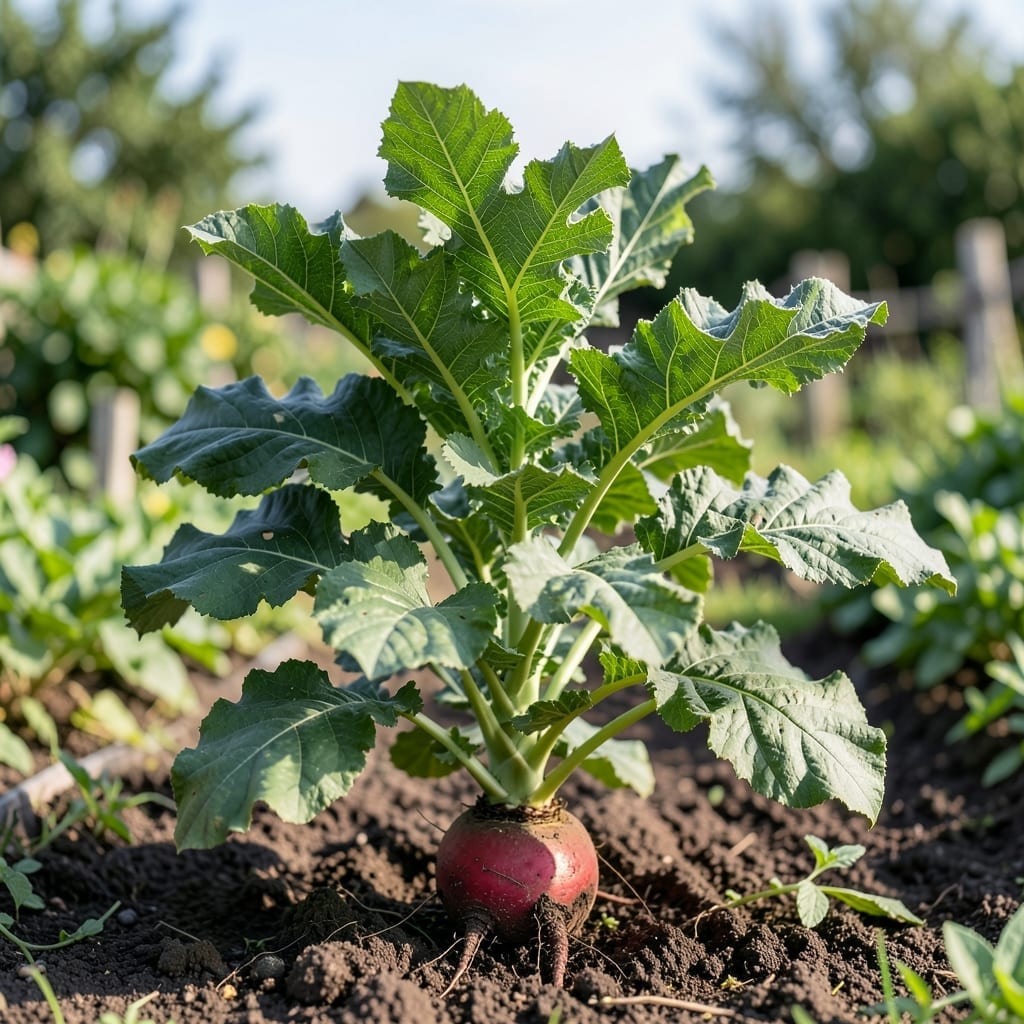
Yes, horseradish leaves are edible in small amounts when cooked, but raw leaves may contain compounds that can be irritating or toxic in large quantities.
I always recommend cooking these leaves to neutralize any harmful glucosinolates, which can cause digestive distress or throat irritation if consumed raw. In my experience, light steaming or sautéing brings out a mild, peppery flavor that pairs well with butter or garlic. This method also reduces bitterness while making them safe for most people to enjoy occasionally. 💫
💡 In This Article
Raw horseradish leaves contain high concentrations of glucosinolates, compounds that break down into isothiocyanates when damaged. These chemicals act as natural pesticides, defending the plant but potentially irritating human mucous membranes. Ingesting large quantities can trigger nausea, vomiting, or diarrhea due to their pungent, mustard-oil-like properties.
Isothiocyanates, particularly allyl isothiocyanate, are the primary culprits. Studies show these compounds can cause oxidative stress in digestive tissues at concentrations above 1-2 mg per kg of body weight. The leaves contain roughly 5-10 times more glucosinolates than the root, making raw consumption riskier. 🔥
Heat alters this chemical structure. Boiling horseradish leaves for 10-15 minutes degrades about 60-70% of glucosinolates, significantly reducing toxicity. This is why traditional Eastern European dishes often use cooked leaves in small portions as flavor enhancers rather than primary ingredients.
The threshold for safe consumption isn’t strictly defined, but agricultural research suggests limiting intake to 1-2 leaves per person when cooked. Children and individuals with sensitive digestive systems should exercise extra caution, as their lower body weight means even small amounts could approach problematic levels.
What’s particularly interesting is how these compounds behave differently in various plant parts. While the root’s pungency is prized, the leaves concentrate these defense chemicals more intensely. This evolutionary adaptation explains why mammals typically avoid eating horseradish foliage in the wild, instinctively recognizing the potential danger. ✨
Raw leaves contain high levels of glucosinolates, which can cause stomach upset, nausea, or throat irritation. These compounds act as natural pesticides and may be harmful in large amounts. Always cook them first to reduce risk.
Boil or steam the leaves for at least 10-15 minutes to break down most glucosinolates. This process reduces toxicity by 60-70% while keeping their mild, peppery flavor intact.
Yes, but start with small amounts. Blanch young, tender leaves for 2-3 minutes, then sauté with garlic or add to soups. Their flavor is stronger, so balance with lemon or butter.
Children, pregnant women, and those with sensitive digestive systems should be cautious. Even cooked leaves should be limited to 1-2 per serving due to residual compounds.