
Beautiful Plants For Your Interior
Beautiful Plants For Your Interior
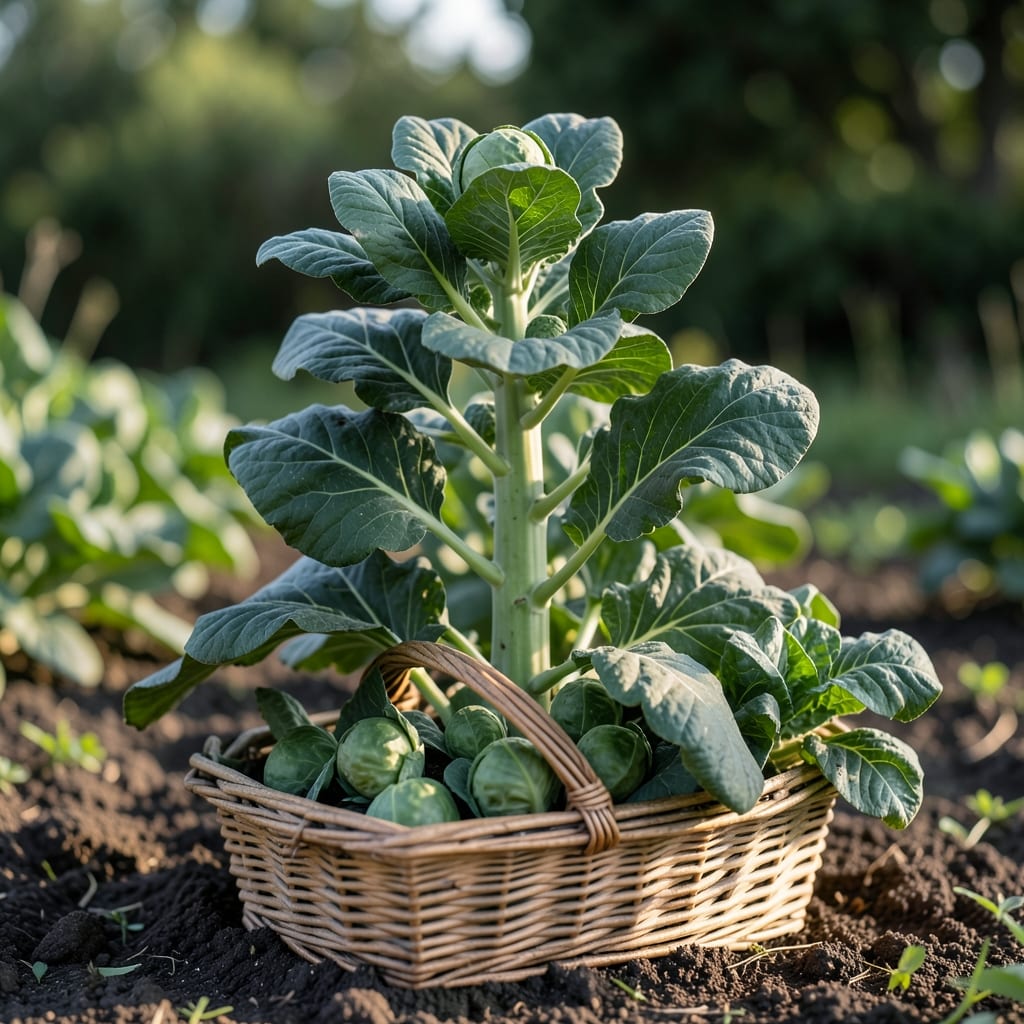
Yes, Brussels sprouts leaves are completely edible and share a similar mild, slightly bitter flavor with the sprouts themselves. They can be eaten raw in salads or cooked like other leafy greens.
I love how versatile these leaves can be—they pack a nutritional punch similar to kale or spinach, rich in vitamin K and fiber. In my kitchen, I often sauté them with garlic for a quick side dish or toss them into stir-fries for extra texture. 🔥
The flavor softens when cooked, making it more approachable for those who find raw leaves too sharp.
💡 In This Article
The leaves pack a concentrated dose of vitamin K—about 120% of your daily value per 1 cup raw. This nutrient is essential for blood clotting and bone health, working by activating proteins that bind calcium to your bones. The leaves also deliver vitamin C (around 80% DV), which supports immune function and collagen production. ✨
Compared to the sprouts themselves, the leaves contain slightly higher levels of antioxidants like kaempferol. This compound helps combat oxidative stress in your body by neutralizing free radicals. The fiber content is impressive too—about 4 grams per cup—promoting digestive health and helping regulate blood sugar levels. 💫
Mineral-wise, you get a solid dose of folate (important for cell growth) and manganese (which aids metabolism). The leaves are also a good source of vitamin A in the form of beta-carotene, supporting eye health and immune function. Their nutrient density rivals other leafy greens like kale or spinach, often at a lower calorie count.
What makes these leaves unique is their glucosinolate content. These sulfur-containing compounds give Brussels sprouts their characteristic slightly bitter taste and may offer cancer-protective benefits by helping the body detoxify harmful substances. The leaves contain about 15-20% more glucosinolates than the sprouts themselves. 🌟
The nutritional profile remains robust whether eaten raw or cooked, though light steaming or sautéing can actually increase the bioavailability of some nutrients like beta-carotene. Unlike some vegetables that lose nutrients when cooked, Brussels sprouts leaves maintain most of their vitamin content through gentle cooking methods.
Yes! The leaves often contain higher concentrations of vitamin K and antioxidants than the sprouts. They also deliver more glucosinolates, the compounds that give Brussels sprouts their health-boosting properties.
The leaves have a milder, slightly less bitter flavor than the sprouts. When cooked, they become tender and sweeter, making them more versatile for dishes like salads or sautés.
Raw leaves work well in salads. Just wash them thoroughly and chop finely for the best texture. Their crispness adds a nice contrast to other ingredients.
Store unwashed leaves in a sealed container for up to 5 days. For longer storage, blanch and freeze them—they’ll keep for up to 3 months.