
Beautiful Plants For Your Interior
Beautiful Plants For Your Interior
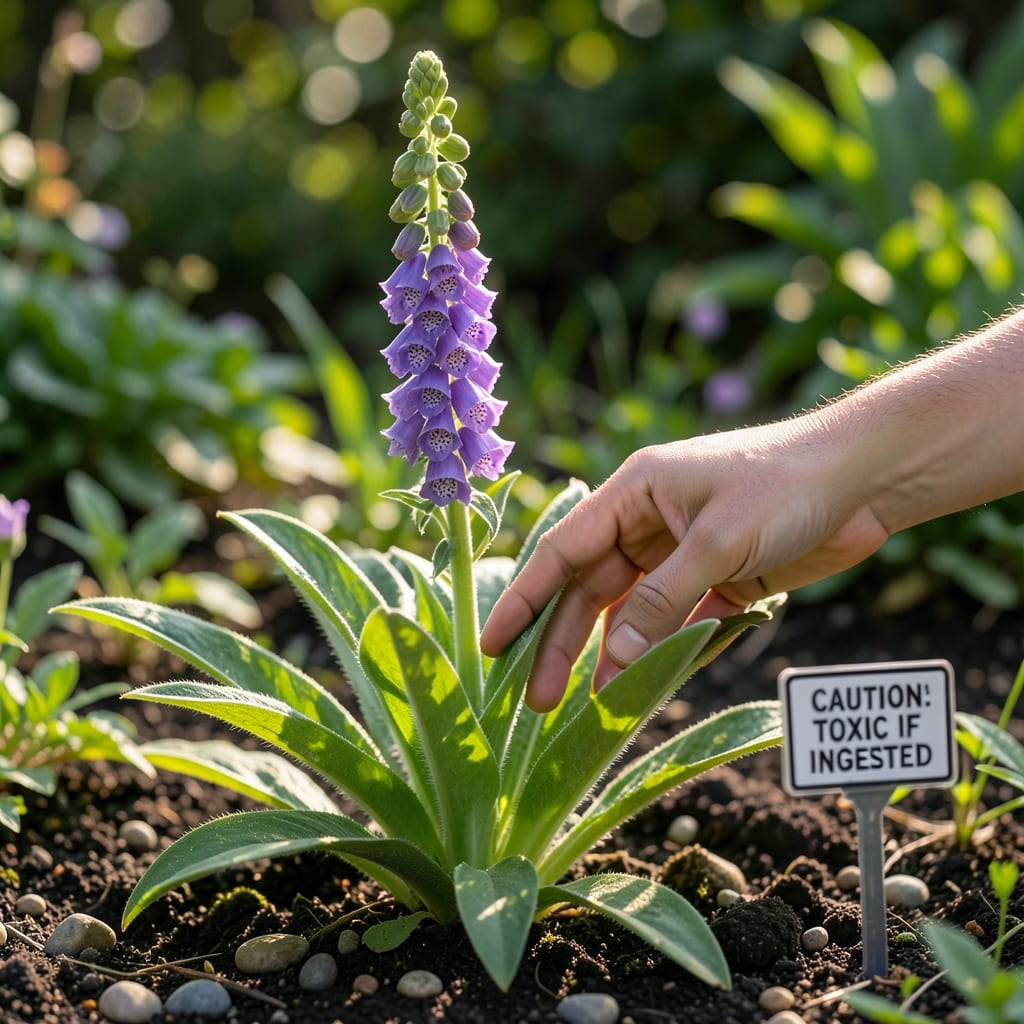
Yes, touching foxglove leaves can cause poisoning as the plant contains cardiac glycosides that may be absorbed through skin contact, leading to nausea, irregular heartbeat, or worse in severe cases.
This toxicity comes from compounds like digitoxin and digoxin, which directly impact heart rhythm at even minimal doses. I always recommend wearing protective gloves when handling these plants, as the sap can be particularly potent. Children and pets are especially vulnerable, so it’s crucial to keep them away from garden areas where foxglove grows. 🌿
💡 In This Article
The real danger lies in cardiac glycosides like digitoxin and digoxin. These compounds disrupt the heart’s electrical system by inhibiting sodium-potassium pumps in heart muscle cells. This interference can cause dangerous arrhythmias even at low doses, as little as 2-5 grams of dried leaves may trigger symptoms. 🔥
What makes these glycosides particularly insidious is their ability to absorb through skin. The molecules are lipid-soluble, meaning they can penetrate the outer layer of skin and enter the bloodstream. This is why gardeners often experience symptoms after handling the plants without protection, especially if they have cuts or abrasions. ✨
The heart becomes the primary target because these compounds bind to specific receptors in cardiac tissue. They increase calcium levels inside heart cells, which enhances contractility but also creates irregular rhythms. In severe cases, this can progress to ventricular fibrillation, where the heart’s lower chambers quiver instead of pumping blood effectively. ⚡
Notably, all parts of the foxglove plant contain these toxins, with concentrations highest in the leaves. The compounds remain potent even when dried, which is why herbal preparations using foxglove have historically been both medicinal and deadly. Even the water in a vase holding foxglove cuttings may contain enough glycosides to cause poisoning if ingested.
💫
Symptoms typically appear within 30 minutes to 2 hours after exposure. Early signs include nausea and vomiting, but the most concerning effects are cardiac: irregular pulse, slow heart rate (bradycardia), or dangerously fast rhythms. The severity depends on the amount absorbed and individual sensitivity to these compounds.
Symptoms typically develop within 30 minutes to 2 hours after exposure. Early signs include nausea or skin irritation, while cardiac effects like irregular heartbeat may take slightly longer to manifest.
Yes, children, pets, and individuals with heart conditions are at higher risk. Those with cuts or eczema may absorb toxins more easily through damaged skin. Always supervise kids near foxglove.
High-quality nitrile or rubber gloves significantly reduce risk by blocking skin absorption. However, remove and wash them properly after use to avoid accidental transfer of sap.
Wash the area immediately with soap and warm water for at least 20 seconds. Monitor for symptoms and seek medical help if any develop, especially cardiac irregularities.