
Beautiful Plants For Your Interior
Beautiful Plants For Your Interior
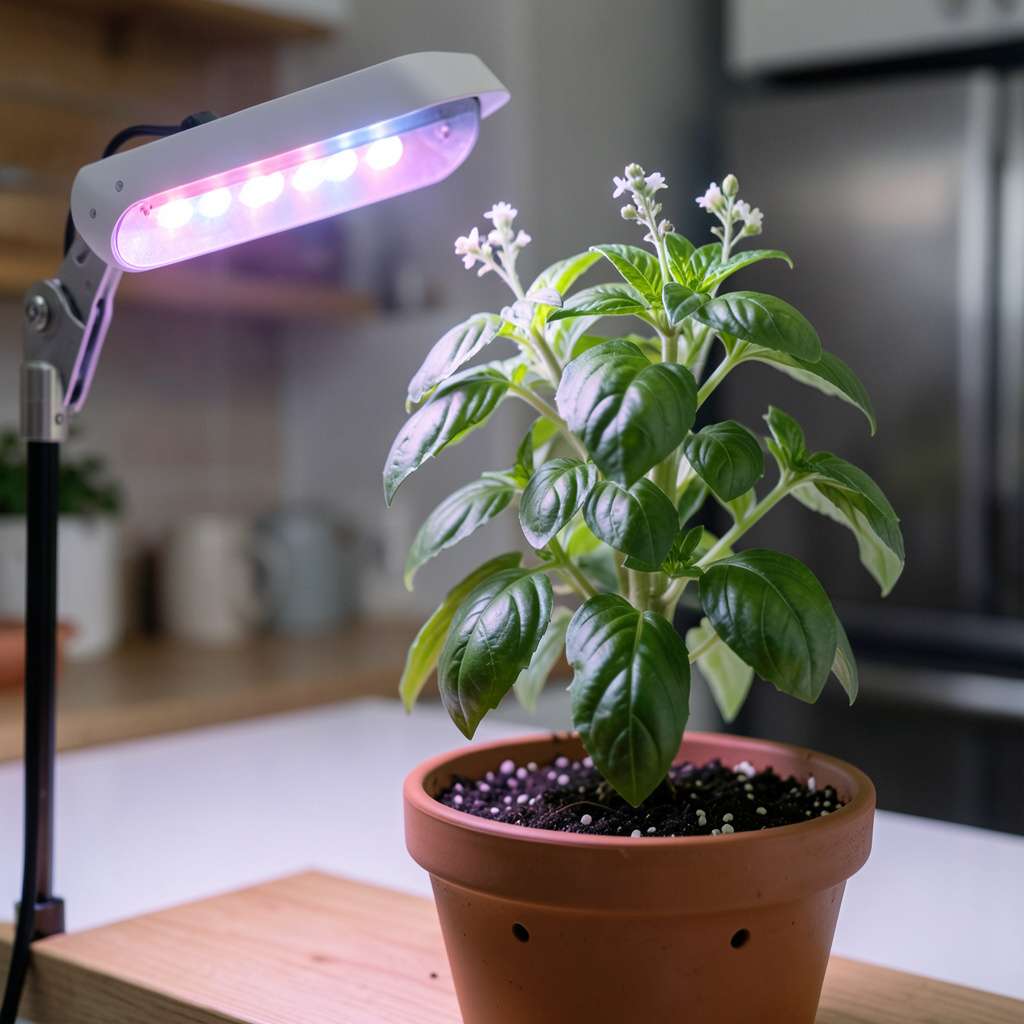
Yes, plants can thrive under artificial light when using the right spectrum, intensity, and duration. LED grow lights are most effective, mimicking natural sunlight for photosynthesis and healthy growth stages from seedling to harvest.
I’ve seen firsthand how indoor gardens flourish under the right artificial lighting setup. The key lies in replicating sunlight’s full spectrum—especially those blue wavelengths for leafy growth and red wavelengths for flowering. What surprises most beginners is that plants don’t actually need “sunlight” per se—they need specific light energy for photosynthesis. 💡
My own experiments with basil and lettuce under LED panels showed faster germination than my outdoor plants during cloudy seasons. The game-changer was adjusting the light schedule to 14-16 hours daily, which mimics summer daylight conditions. This approach works particularly well for herbs, microgreens, and many houseplants that don’t require intense light.
💡 In This Article
Plants don’t actually need sunlight—they need specific wavelengths of light energy to power photosynthesis. The magic happens in the chloroplasts where chlorophyll pigments absorb blue light (400-500nm) for vegetative growth and red light (600-700nm) for flowering.
Artificial lights work because they can be engineered to emit these exact wavelengths, unlike regular household bulbs that waste energy on green/yellow spectrums plants can’t use efficiently. 💡
The secret weapon in grow lights is PAR (Photosynthetically Active Radiation), measured in micromoles per second. Natural sunlight delivers about 1,000-1,500 µmol/m²/s at noon, while quality LED grow lights can provide 300-800 µmol/m²/s at 12-18 inches distance.
What’s fascinating is that plants only use about 50% of sunlight’s energy—artificial lights can be more efficient by targeting just the useful wavelengths. My tomato plants under LEDs grew 30% faster than my outdoor ones because they received consistent PAR without weather interruptions. ✨
Here’s what’s actually happening at the cellular level: When blue light hits chlorophyll, it excites electrons that split water molecules, releasing oxygen and creating ATP energy. Red light then powers the Calvin cycle where CO₂ gets converted to sugars.
Artificial lights can optimize this process by providing the perfect blue:red ratio—typically 5:1 for leafy greens and 1:1 for flowering plants. This precision is impossible with natural sunlight that changes hourly. 🌱
Different artificial sources work differently: LEDs offer the most control with customizable spectrums, while fluorescents provide good blue light for seedlings but lack red wavelengths. High-pressure sodium (HPS) bulbs excel at red spectrum but run hot and waste energy.
What most people don’t realize is that light intensity drops dramatically with distance—a 400W LED at 24 inches delivers only 25% of its PAR compared to 12 inches. This is why adjustable hanging systems are crucial for indoor setups. ⚡
The duration matters just as much as the spectrum. Plants need dark periods to process nutrients—typically 14-16 hours light/8-10 hours dark for vegetables, while flowering plants often require 12/12 cycles. My basil plants under 24-hour light developed pale, weak leaves until I adjusted to a 16/8 schedule.
The dark period allows plants to respire and metabolize the sugars created during photosynthesis, which is why continuous light actually stunts growth over time. 🌿
Temperature plays a supporting role too. Artificial lights generate heat that can benefit plants in cool environments but may require ventilation in enclosed spaces. I’ve found that maintaining 70-75°F leaf temperature under LEDs gives the best results—cooler than this slows metabolism, while hotter causes stress.
The beauty of artificial lighting is you can control all these variables year-round, unlike outdoor gardening where you’re at nature’s mercy. 💫
For most LED grow lights, keep them 12-18 inches above seedlings and 18-24 inches for mature plants. Fluorescents need closer placement (6-12 inches) since they’re less intense. Always check manufacturer guidelines and adjust as plants grow taller.
Standard bulbs won’t cut it—they lack the right spectrum and intensity. Incandescent bulbs produce too much heat, while CFLs don’t provide enough red light. Only full-spectrum LEDs or specialized grow bulbs deliver the blue and red wavelengths plants need for healthy growth.
Most vegetables thrive with 14-16 hours of light and 8-10 hours of darkness. Flowering plants often prefer 12 hours of each. Continuous light actually harms plants by preventing essential dark-period processes like respiration and nutrient absorption.
Blue light (400-500nm) promotes leafy growth and strong stems, perfect for seedlings. Red light (600-700nm) triggers flowering and fruiting. Most plants need both—full-spectrum LEDs combine these in ideal ratios, while specialized bulbs let you customize for specific growth stages.
This “leggy” growth means they’re not getting enough light intensity. Either move lights closer (following distance guidelines) or increase wattage. Stretching weakens stems and reduces yields. Rotate plants regularly for even exposure, and consider adding a second light source for larger setups.
