
Beautiful Plants For Your Interior
Beautiful Plants For Your Interior
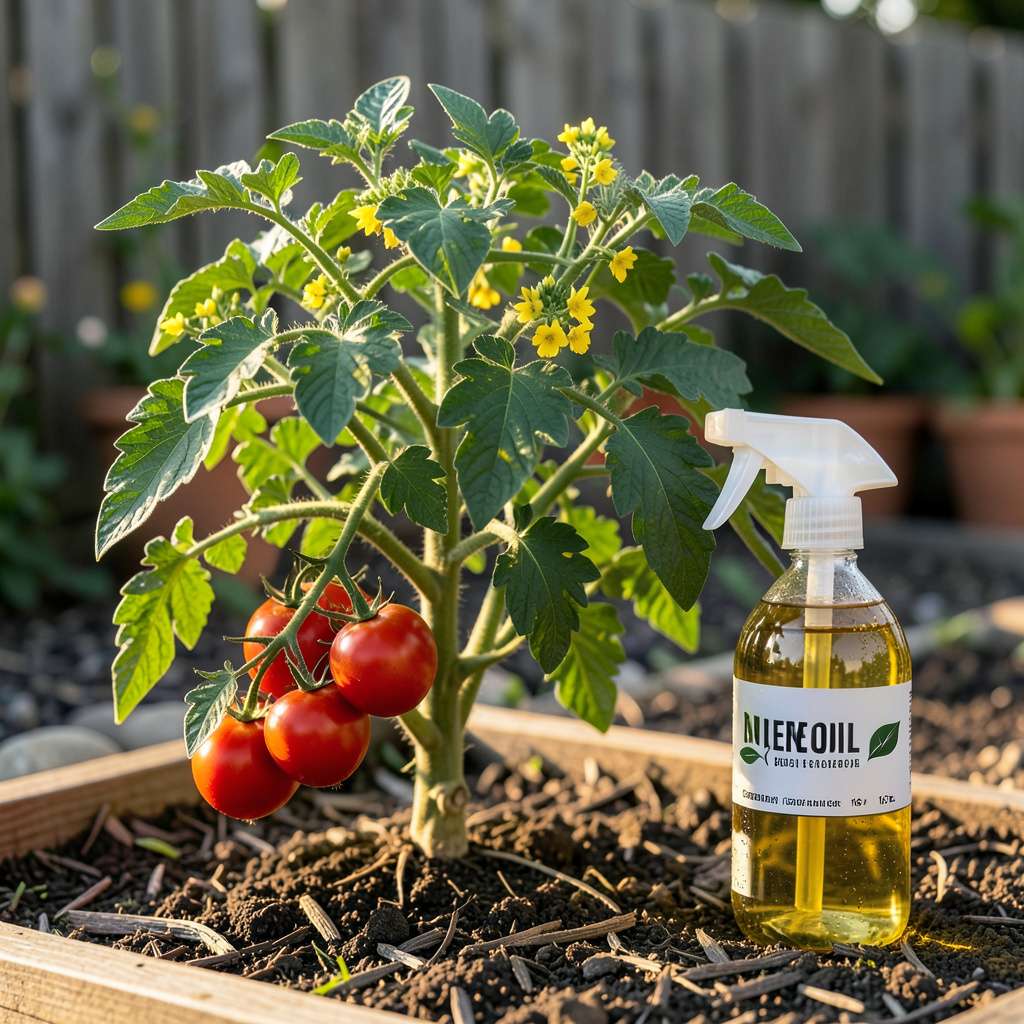
Neem oil can be applied every 7-14 days for pest control, but daily use is unnecessary and may harm plants. Always test on a small area first and avoid direct sunlight.
Using neem oil too frequently can lead to adverse effects on your plants, such as leaf burn or excessive residue. 🌱 It’s important to allow time between applications for the active ingredients to work effectively. I recommend observing your plants closely after treatment to ensure they respond positively and adjusting your schedule based on their health and any pest activity you notice.
When using neem oil, consider mixing it properly with water and applying it during cooler parts of the day. This approach helps minimize stress on the plants while maximizing the oil’s effectiveness against unwanted pests. 🔍
💡 In This Article
Understanding the frequency of neem oil applications is crucial for maintaining plant health. The active compound in neem oil, azadirachtin, disrupts the growth and reproduction of pests, but it takes time for its effects to manifest. Typically, applying neem oil every 7-14 days is sufficient to manage pest populations effectively. 🌿
Applying neem oil too frequently can lead to adverse effects like leaf burn or a buildup of residue that may suffocate the plant. This is particularly important during warmer months when plants are more sensitive to excessive oils.
I’ve noticed that allowing a week or two between applications not only protects my plants but also ensures that the beneficial insects remain undisturbed. 🐞
Timing your applications can further enhance effectiveness. For instance, spraying in the early morning or late evening minimizes exposure to direct sunlight, which can cause the oil to evaporate quickly and reduce its efficacy. Additionally, cooler temperatures help prevent plant stress, allowing them to absorb the benefits without adverse reactions. 🌙
When dealing with severe pest infestations, you might be tempted to increase the frequency of applications. However, it’s essential to monitor your plants closely for any signs of distress or damage. If you notice yellowing leaves or wilting, consider scaling back to allow your plants a chance to recover. 🔍
Moreover, always conduct a patch test before widespread application. This simple step helps ensure that your specific plant variety can tolerate neem oil without adverse reactions. A small area on the leaf should be treated first, and if no damage occurs within 24 hours, it’s likely safe to proceed. 🌱
In summary, while neem oil is an effective tool for pest control, understanding its application frequency and monitoring plant responses are key to using it safely and effectively. Regular observation will guide your treatment schedule and maintain a thriving garden. 🌼
