
Beautiful Plants For Your Interior
Beautiful Plants For Your Interior
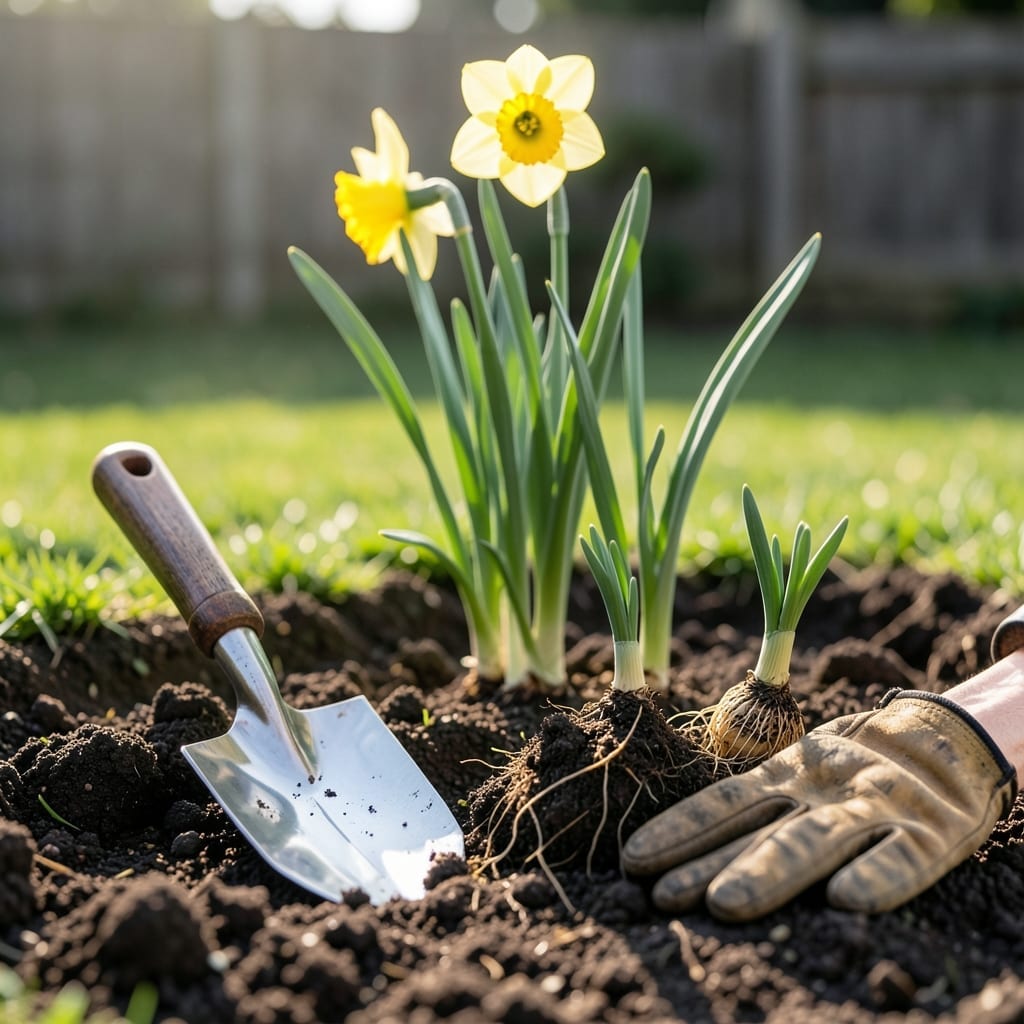
Transplanting Daffodil 🌷 bulbs in spring can feel like a gamble, but it doesn’t have to be. Many gardeners worry about harming next year’s blooms, yet with the right approach, you can move them successfully.
Timing is the key—wait until after the flowers fade but before the foliage dies back. This window gives your bulbs the best chance to recover and store energy for next season.
Discover the simple steps to minimize shock and ensure your Daffodil thrives in its new spot. Let’s make your spring transplant a success.


Yes, you can transplant daffodils in spring, but timing is critical. The ideal window is after the flowers fade but before the foliage dies back completely.
This period allows the bulbs to store energy from the leaves, which fuels next year’s blooms. Moving them too early or too late can stress the plants and reduce flowering. 🌷
Transplant after blooming but before foliage yellows. 6-week window post-bloom is ideal for minimal shock and best recovery.
I’ve found that daffodil bulbs are hardy, but they dislike root disruption during active growth. If you must move them while blooming, expect fewer flowers next year.
The bulbs rely on foliage to photosynthesize and store nutrients. Cutting or transplanting too soon robs them of energy, leading to weak or no blooms the following spring.
For best results, wait until the leaves turn yellow but are still somewhat green. This signals the bulb has finished energy storage but hasn’t entered full dormancy yet. 🌿
If you’re in USDA zones 3-8, this timing usually falls in late spring. In warmer climates, it may be earlier. Always check your local growing conditions.
Use a sharp spade to lift the bulbs gently. Shake off excess soil but avoid damaging the roots. Replant at the same depth in well-draining soil.
Water thoroughly after transplanting to help settle the soil and eliminate air pockets. Keep the soil moist but not soggy for the first few weeks.
Avoid fertilizing immediately after moving. Wait until next fall to feed the bulbs, as this encourages root growth before winter. ✂️
With the right care, your transplanted daffodils will bounce back and reward you with vibrant blooms the following spring. Patience and timing are your best tools! 🌷
Transplanting daffodils in spring requires care to avoid shocking the bulbs. The best time is after blooming ends but before the leaves die back completely.
Start by selecting a new location with well-draining soil and full to partial sun. Daffodils thrive in spots with 6+ hours of sunlight daily. 🌷
I always mark the new spot with a stick to avoid accidentally digging there later. This helps me track progress and ensures I don’t disturb the bulbs again. 🌿
After moving, keep the soil consistently moist for 2-3 weeks. Avoid fertilizing right away—wait until fall to feed the bulbs for next year’s growth.
If your daffodil foliage looks wilted after transplanting, don’t panic. This is normal transplant shock. Just keep the soil moist and avoid cutting back the leaves too soon.
In USDA zones 3-8, spring transplanting works best in late April to May. Warmer climates may need earlier timing, so monitor your plants closely. ✂️
With patience, your transplanted daffodils will establish roots and reward you with beautiful blooms next spring. Happy gardening! 🌷