
Beautiful Plants For Your Interior
Beautiful Plants For Your Interior
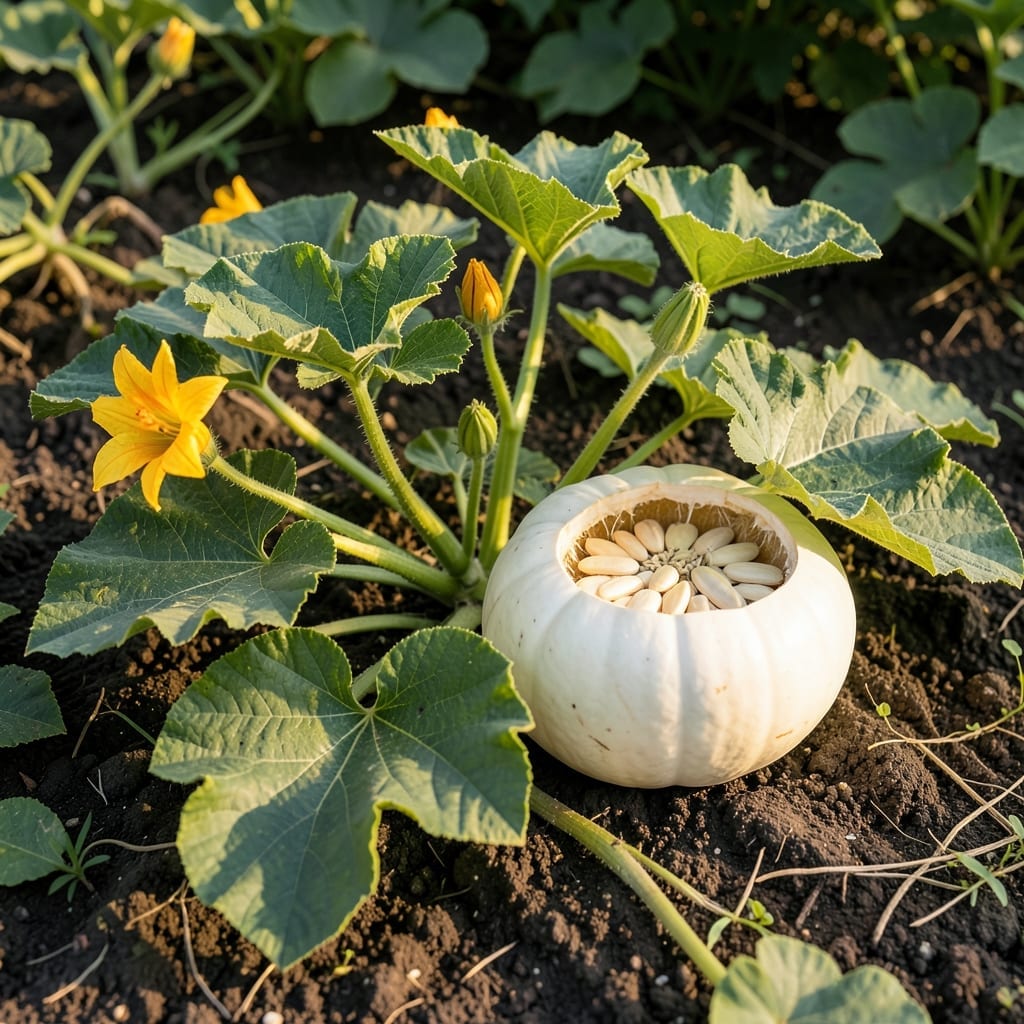
The inside of a white pumpkin is typically pale orange or light yellow, similar to traditional orange pumpkins but with a slightly milder hue.
What fascinates me is that the exterior color doesn’t change the inner flesh much. The subtle pale orange or light yellow tones come from carotenoids, the same pigments in orange varieties. Selective breeding has preserved this trait while altering the rind. ✨
I’ve noticed these pumpkins maintain their interior color whether roasted, puréed, or carved. Their flesh stays consistent, making them just as versatile as their orange counterparts in recipes. 💫
💡 In This Article
The flesh color comes down to carotenoid pigments, specifically beta-carotene. White pumpkins produce these compounds in lower concentrations than orange varieties, creating that soft pale orange or light yellow tint. The genetic mutation affects the outer rind but doesn’t eliminate carotenoid production entirely. 🔥
Carotenoids serve as natural antioxidants and give pumpkins their characteristic hues. In white pumpkins, the reduced pigment concentration results from selective breeding that prioritized the white exterior. This process preserved enough carotenoids to maintain the flesh’s subtle color while achieving the desired outer appearance.
What’s fascinating is that environmental factors can influence the intensity. More sunlight exposure during growth often leads to slightly deeper flesh tones. The pigments develop as the pumpkin matures, with the highest concentration occurring just before full ripeness. This is why harvest timing affects the final color. ✨
Compared to orange pumpkins, which can have vibrant deep orange interiors, white varieties typically show a more muted palette. The difference is purely cosmetic—the nutritional content remains nearly identical, with both types providing vitamin A from their carotenoid content. The milder hue makes white pumpkins particularly appealing for culinary presentations where color contrast matters. 💫
Growers have noticed that soil conditions also play a role. Pumpkins cultivated in nutrient-rich soil with balanced pH levels tend to develop more consistent flesh coloring. This explains why two white pumpkins from different farms might show slight variations in their interior shades, even when they’re the same variety.
The flesh is just as edible as orange pumpkins. It has a similar mild, slightly sweet flavor and can be used in pies, soups, or roasted dishes. The pale color makes it great for recipes where you want a lighter appearance.
White pumpkins still contain carotenoids, the pigments responsible for orange hues. These are present in lower concentrations, creating the soft pale orange or light yellow tint rather than pure whiteness. Genetics and sunlight affect the intensity.
Yes, they’re interchangeable in cooking and baking. The flavor and texture are nearly identical. Some chefs prefer white pumpkins for their milder color in dishes like risotto or purées. The subtle hue blends beautifully with other ingredients.
The interior deepens slightly as it ripens, but stays in the pale orange to light yellow range. Harvest timing affects this—pumpkins left too long may develop a deeper tone. Proper curing helps maintain the best color and flavor.