
Beautiful Plants For Your Interior
Beautiful Plants For Your Interior
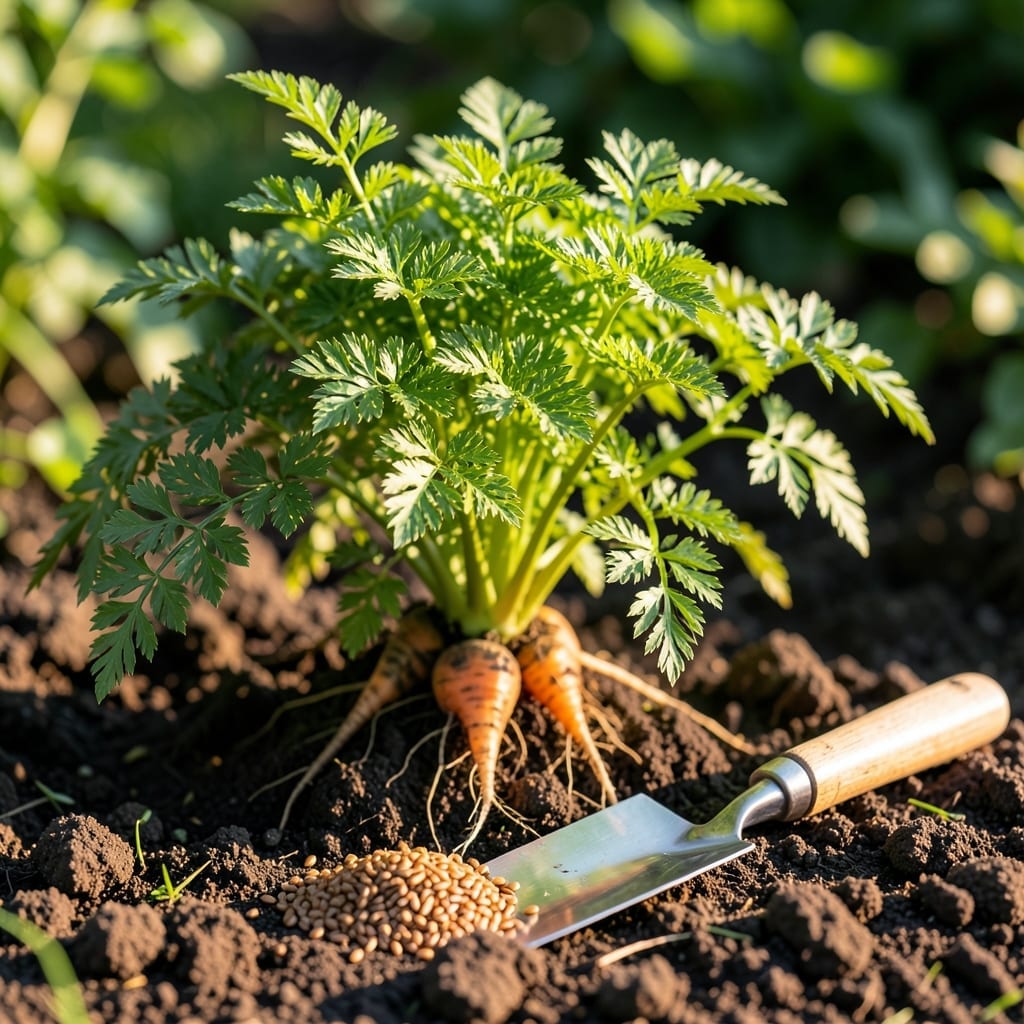
July might seem too late to start a Carrot crop, but don’t put away your gardening tools just yet. With the right techniques, you can still grow a successful harvest before fall arrives.
I’ve found that many gardeners miss out on late-season planting opportunities because they assume summer heat is too intense. The truth is, with proper timing and care, the 🥕 Carrot can thrive even in warmer conditions.
What you’ll discover here could change your entire growing season. I’ll share the key strategies that make July planting not just possible, but highly rewarding.
From soil preparation to variety selection, we’ll cover everything you need to know to get those Carrot seeds in the ground this month.

Yes, you can plant carrots in July in many regions, but success depends on your climate zone and soil conditions. Carrots thrive in cool soil, so July planting works best in milder summer climates or areas with short growing seasons. ☀️
For hotter regions, focus on fast-maturing varieties and provide afternoon shade to prevent soil overheating. In USDA Zones 6-8, July sowing can yield a fall harvest before the first frost. The key is timing and careful watering. 🌱
| Requirement | Specification |
|---|---|
| Best Zones | 6-8 |
| Soil Temp | 50-85°F |
| Days to Harvest | 50-70 days |
| Sun Needs | 6+ hours |
I recommend sowing seeds in loose, well-draining soil to prevent forked roots. July’s heat can dry soil quickly, so keep the bed moist but not soggy. A light mulch helps retain moisture and cool the soil for better germination.
Early July is ideal for northern gardens, while late July works in cooler coastal areas. In southern zones, wait until late summer or opt for shade cloth to protect seedlings from intense sun.
Carrot seeds need consistent moisture to sprout, which can take 10-21 days. If your soil crusts over, lightly water daily to aid germination. Once sprouted, thin seedlings to 2-3 inches apart for proper growth.
For best results, choose heat-tolerant varieties like ‘Dragon’ or ‘Sugarsnax’. These handle warmer temps better than traditional types. Avoid long varieties in heavy clay soil—they’ll struggle to develop.
Soil prep is critical in summer. Work in compost to improve texture and remove rocks that can deform roots. A raised bed can also help with drainage and root development.
Watch for pests like carrot rust flies, which are more active in warm weather. Use row covers to protect young plants. Rotate crops yearly to prevent disease and maintain soil health.
With the right care, July-planted carrots can be sweet and tender, especially after a light frost in fall. Just be mindful of watering consistency and shade needs to beat the heat. 🌿
Planting carrots in July is totally doable with the right strategy. The key is beating the heat while keeping soil cool and moist for germination. I’ve had great success with summer sowing by focusing on these proven techniques.
First, choose fast-maturing varieties like ‘Early Nantes’ or ‘Danvers’ that can reach harvest in 60-70 days. These handle summer heat better than long-season types.
I always pre-water the soil before sowing seeds to ensure immediate moisture. This prevents dry spots that can delay germination in hot weather. A fine mist setting on your hose works best for even coverage.
Shade cloth is a game-changer for July planting. I drape 40% shade fabric over the bed until seeds sprout, then gradually remove it. This keeps soil temps below 85°F, which is critical for germination.
For mulching, I prefer straw over wood chips because it’s lighter and won’t compact. Apply a 2-inch layer after planting to lock in moisture and block weeds that compete for water.
Finally, thin seedlings early to 2 inches apart. Crowded carrots struggle in heat, so give them room to develop proper roots. With these tips, you’ll harvest sweet, crisp carrots by early fall. ☀️