
Beautiful Plants For Your Interior
Beautiful Plants For Your Interior
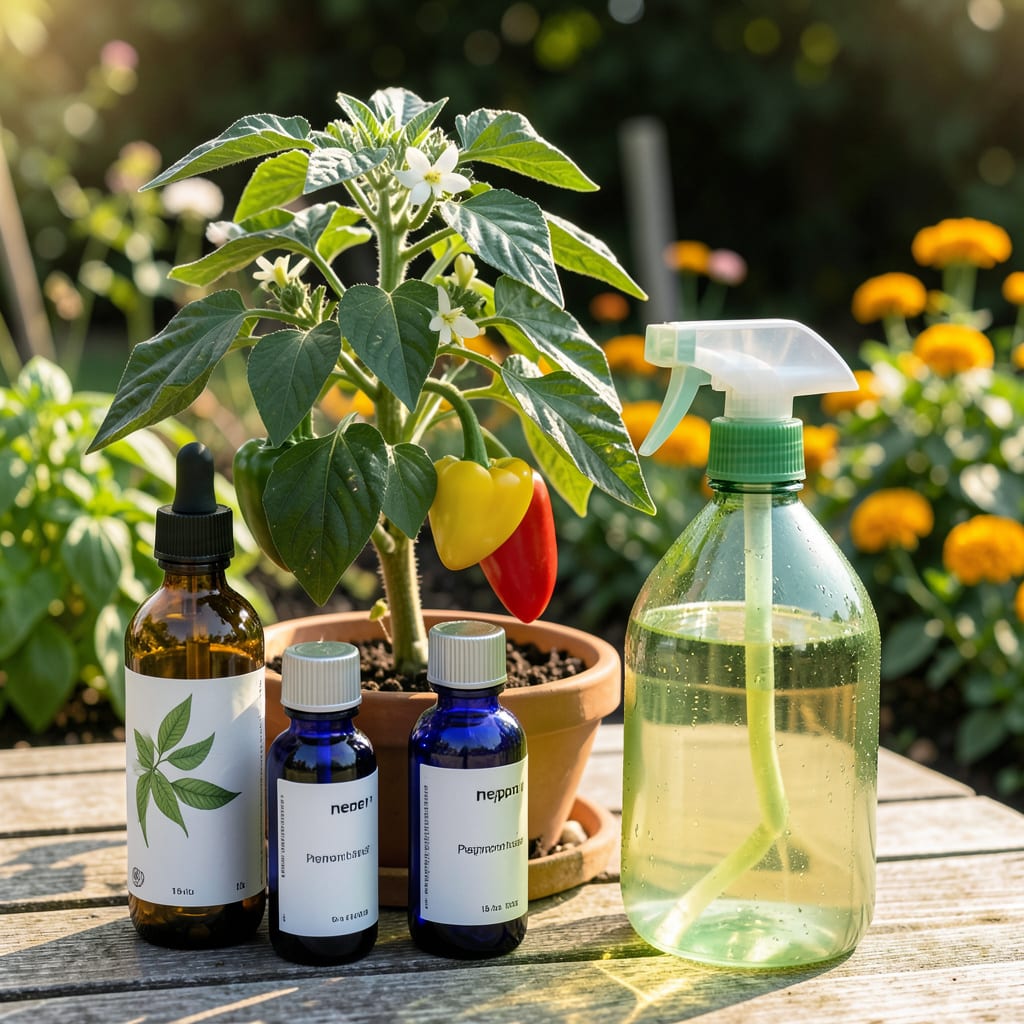
Yes, you can safely mix neem oil with peppermint oil for gardening, as both are natural pest repellents. Use a 1:1 ratio (1 tsp each per gallon of water) with a mild soap emulsifier to prevent separation and avoid plant damage.
This combination works exceptionally well because neem oil targets insect life cycles while peppermint oil’s strong aroma creates an immediate barrier against pests. 🌿 I’ve found that together, they cover a broader spectrum of garden invaders—from soft-bodied insects to crawling pests—without the harsh effects of synthetic chemicals. The key is proper dilution and application timing, as concentrated oils can stress plants if not prepared correctly.
For best results, always test the mixture on a small plant area first and apply during cooler parts of the day to prevent leaf burn. ✨
💡 In This Article
Neem oil’s power comes from its active compound azadirachtin, which disrupts insect hormone systems, preventing pests from feeding, molting, and reproducing. Meanwhile, peppermint oil contains menthol and menthone—compounds that overwhelm pests’ sensory receptors, creating an invisible barrier they instinctively avoid. Together, they create a one-two punch: neem attacks pests biologically while peppermint repels them behaviorally.
This combination is particularly effective against soft-bodied insects like aphids and spider mites. The neem oil penetrates their exoskeletons, causing dehydration and death within 24-48 hours, while the peppermint’s strong aroma masks plant scents that attract pests.
🌱 For crawling insects like ants, the peppermint acts as a natural deterrent, while neem disrupts their pheromone trails and colony organization.
What makes this pairing special is their complementary modes of action. Neem works systemically when absorbed by plants, providing protection from within, while peppermint oil acts immediately upon contact. This dual approach means you’re not just repelling current pests but preventing future infestations.
The oils also have different breakdown rates—peppermint evaporates quickly (lasting 2-3 days), while neem’s effects persist for 7-10 days.
Scientific studies show that combining botanical oils often produces synergistic effects. A 2018 study in the Journal of Pest Science found that mixing neem with other essential oils increased efficacy by 30-40% compared to using neem alone. The peppermint oil’s volatility helps disperse the neem more evenly across plant surfaces, improving coverage and absorption. ✨
For gardeners dealing with multiple pest types, this combination covers more bases than single treatments. Aphids, whiteflies, and even some fungal spores are vulnerable to neem’s systemic effects, while peppermint deters larger pests like squirrels and rabbits that might nibble on treated plants.
The aromatic properties of peppermint also help mask neem’s sometimes unpleasant sulfur-like odor.
One often overlooked benefit is how these oils affect beneficial insects differently. While neem can harm some pollinators if applied directly, peppermint’s repellent effect is more general and less harmful to bees when used properly. The key is applying in the evening when pollinators are less active, allowing the mixture to dry before they return.
🐝
Consider these specific pest responses:
The environmental benefits extend beyond pest control. Both oils break down quickly in soil without leaving toxic residues, unlike synthetic pesticides that can persist for months. Neem actually enriches soil as it decomposes, while peppermint’s antimicrobial properties can help suppress some soil-borne pathogens.
This makes the combination ideal for organic gardening systems where soil health is paramount. 💚
For most garden applications, use 1 teaspoon neem oil to 1 teaspoon peppermint oil per 1 gallon of water. This balanced ratio provides effective pest control without overwhelming plants. Always add ½ teaspoon mild soap as an emulsifier to prevent separation.
When used properly, the impact on beneficial insects is minimal. Apply in the evening when pollinators are less active, allowing the mixture to dry before they return. Peppermint’s repellent effect is more general and less harmful to bees than neem alone.
Reapply every 7-10 days for consistent protection. The peppermint oil evaporates within 2-3 days, while neem’s effects last about a week. Always reapply after heavy rain, as water washes away the protective coating.
Early morning or late evening is ideal, when temperatures are below 85°F. Avoid midday sun, as the oils can magnify UV rays and cause leaf burn. The cooler temperatures also help the mixture adhere better to plant surfaces.
Yes, but reduce the concentration to ½ teaspoon each per gallon. Use a fine mist sprayer and ensure good ventilation, as peppermint’s strong aroma may linger. This gentler approach works well for houseplants like spider plants and peace lilies.
