
Beautiful Plants For Your Interior
Beautiful Plants For Your Interior
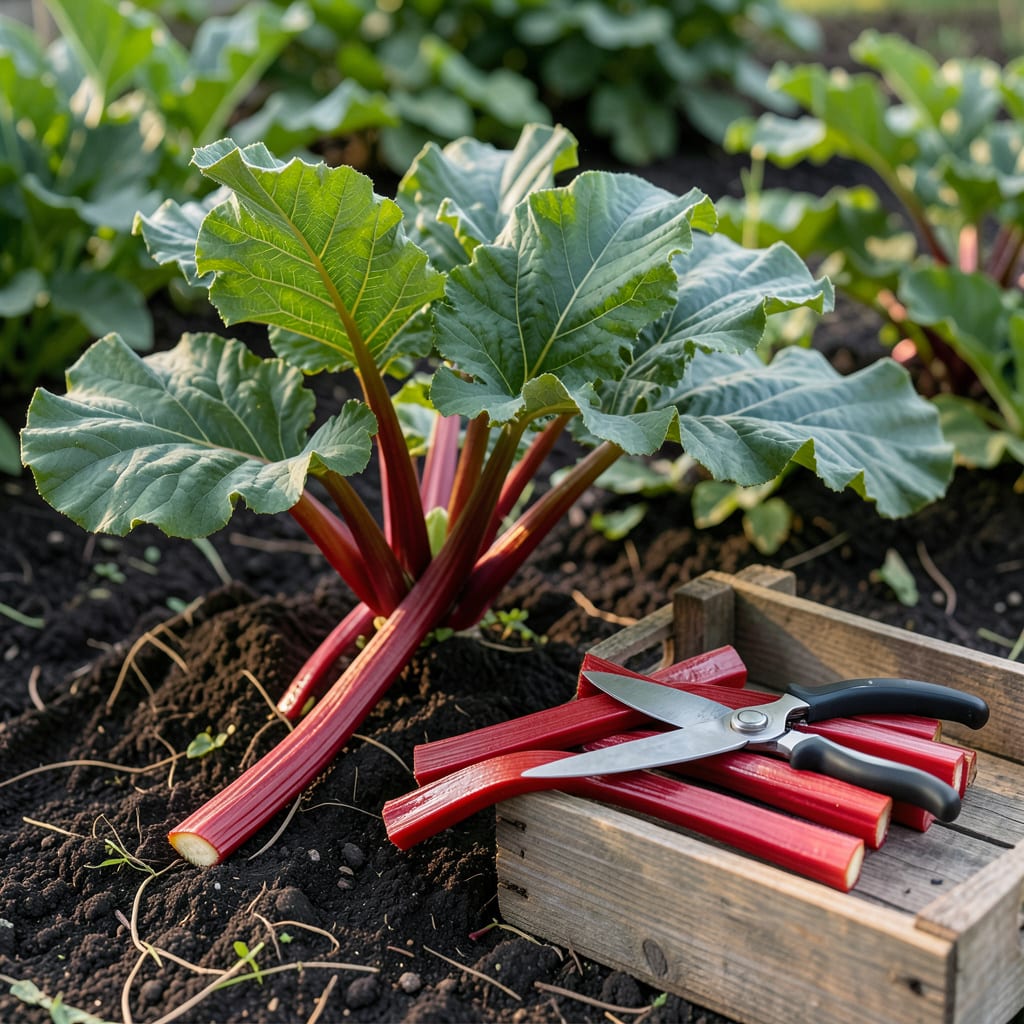
Rhubarb enthusiasts often debate whether September is too late for a harvest. With the 🌱 plant’s typical window closing in June, timing becomes critical to avoid weakening next year’s growth.
I’ll break down when it’s safe to pick those last stalks and how to care for your Rhubarb as the season winds down. The answer might surprise you.


Harvesting rhubarb in September can be risky, but it’s possible with the right approach. The key is ensuring your plant is mature—at least 3 years old—and not overharvesting, which can weaken its winter survival.
Late-season harvests should only include 1/3 of the stalks to preserve energy for next year. If your rhubarb crown is healthy and stalks are thick and firm, you may have a small window before frost hits.
| Factor | Requirement |
|---|---|
| Plant Age | 3+ years |
| Stalk Thickness | 1-1.5 inches |
| Max Harvest | 1/3 of stalks |
| Frost Risk | Stop 2 weeks before |
I always check the 10-week rule for new plants: if planted this year, skip harvesting entirely. For established plants, early September is safer than late, especially in colder climates like USDA Zone 6.
Look for vibrant color and firm texture in stalks. If they snap cleanly when pulled, they’re ready. Avoid harvesting if stalks are thin or bending, as this signals the plant is conserving energy.
In warmer regions (Zones 7-9), September harvests are more feasible. But in cooler areas, I recommend stopping by early September to give plants time to recover before dormancy.
After harvesting, remove seed stalks to direct energy to root growth. Mulch with compost or straw to insulate roots as temperatures drop, ensuring a stronger start next spring.
If frost is forecasted, cover plants with row fabric to extend the season slightly. However, never harvest after frost, as damaged stalks can introduce toxins from the leaves into the edible portion.
For optimal health, I fertilize lightly in early fall with a balanced 10-10-10 mix, but avoid heavy feeding, which can stimulate tender growth vulnerable to frost.
Remember, September harvests are a bonus, not a guarantee. Prioritize your plant’s long-term health over a late-season pick to enjoy bountiful harvests for years to come ☀️
Harvesting rhubarb in September requires a gentle touch to protect your plant’s future. I always use clean, sharp shears to cut stalks at the base, avoiding damage to the crown or emerging buds.
Focus on the outer stalks first, as these are the most mature. Leave the inner stalks to continue growing, ensuring your plant maintains its energy reserves for next year’s harvest.
After cutting, I remove any flower stalks immediately. These drain energy from the plant, reducing the quality of future harvests. A quick twist at the base usually does the trick.
Post-harvest, give your rhubarb a deep watering to help it recover. Avoid fertilizing in late fall, as this can encourage tender new growth that won’t survive frost.
In dry climates, add a 2-inch layer of mulch around the base to retain moisture. Straw or compost works well, but keep it a few inches away from the crown to prevent rot.
Finally, monitor for pests like aphids or slugs, which can become more active in early fall. A neem oil spray or hand-picking can keep them in check without harming your plant.
✂️If your rhubarb stalks are still thin or short by September, it’s a sign your plant isn’t ready. This often happens with young plants under 3 years old or those stressed by summer heat.
I recommend stopping all harvests at this point. Instead, focus on strengthening the plant for next year by ensuring it gets consistent moisture and partial shade if needed.
⚠️ Warning: Harvesting immature rhubarb in September can stunt next year’s growth. If stalks are under 1 inch thick, leave them be and prioritize plant health instead.
For late-season growth, check your USDA zone. In Zone 6, frost often arrives by mid-October, so September is your last chance to prep the plant for winter.
If early frost threatens, protect your rhubarb with a thick mulch layer of straw or leaves. This insulates the crown and roots, helping the plant survive and return stronger next spring.
Finally, resist the urge to fertilize late in the season. Feeding now can trigger new growth that won’t harden off in time for winter, leaving your plant vulnerable to cold damage ✂️
Stop harvesting by early September in colder zones to protect next year’s growth. In warmer areas, you may have until mid-September, but always leave 2/3 of stalks untouched.
Late harvesting can weaken the plant, reducing next year’s yield. Frost-damaged stalks may also develop toxins from the leaves, making them unsafe to eat.
No, wait until the plant is at least 3 years old. Young plants need all their energy to establish strong roots for future harvests.
Look for thick stalks (1-1.5 inches) that snap cleanly when pulled. If they’re firm and vibrant in color, they’re ready. Avoid thin or bending stalks.
