
Beautiful Plants For Your Interior
Beautiful Plants For Your Interior
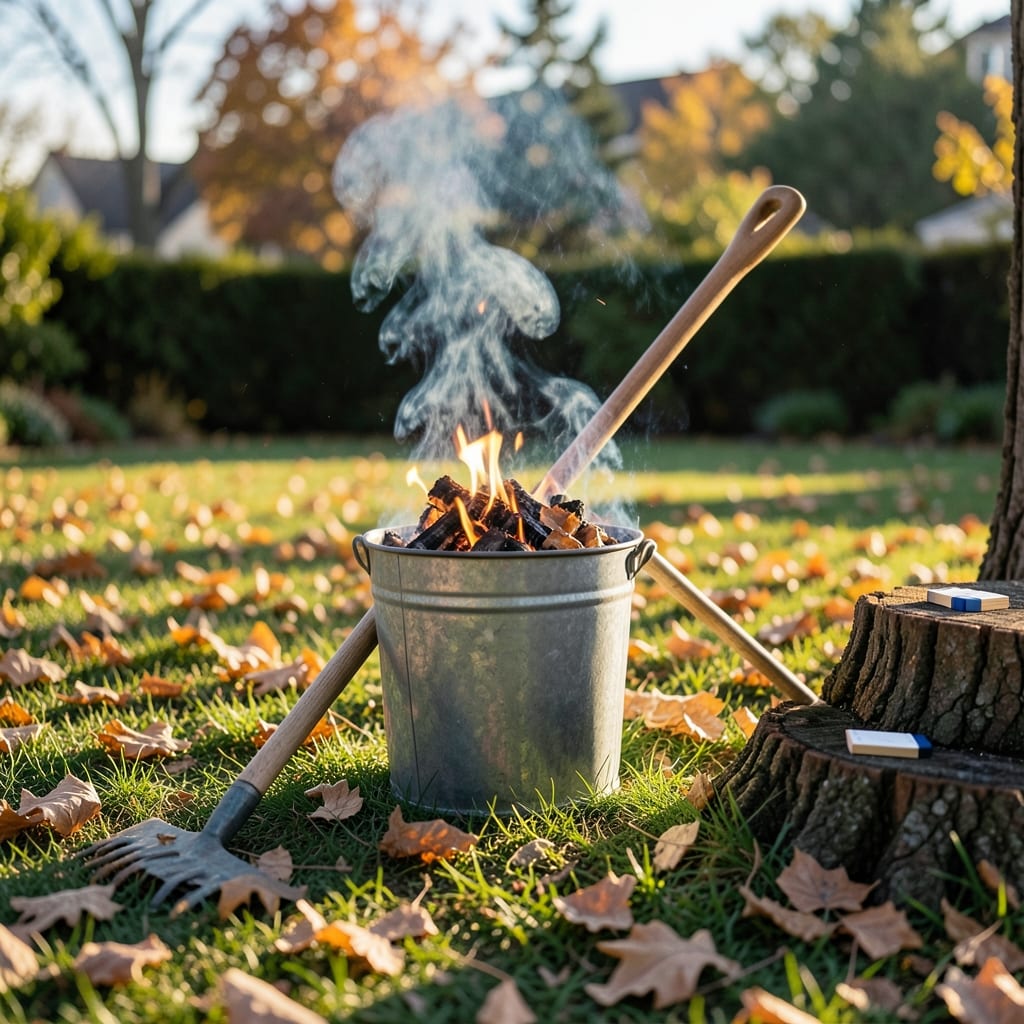
Burning leaves is often restricted by local laws due to fire hazards and air pollution. Check municipal ordinances first, as many areas prohibit open burning and recommend composting or mulching instead.
I’ve seen how quickly a small leaf fire can spiral out of control, especially during dry seasons. 🔥 Many communities enforce these rules to protect both public health and the environment, as burning releases harmful particulates. Instead, I turn leaves into nutrient-rich compost or use them as mulch to suppress weeds and retain soil moisture.
💡 In This Article
Most communities ban leaf burning due to its impact on air quality. The combustion releases fine particulate matter (PM2.5), volatile organic compounds, and carbon monoxide. These pollutants can travel miles from the source, triggering respiratory issues in vulnerable populations. During temperature inversions, these particles get trapped near the ground, worsening the effect.
Wildfire prevention is another critical factor. A single stray ember can ignite dry grass or nearby structures, especially in drought-prone regions. Many states, like California and Texas, impose year-round bans on open burning in urban and suburban areas.
Rural zones may allow it but often require permits during specific low-risk periods (typically late fall or early spring).
Seasonal restrictions are common. For example, some Midwest states only allow burning during March and November when humidity is higher. Others tie regulations to air quality indexes—banning burns when AQI exceeds 100. Always check your county’s environmental health department website or call their hotline for current rules. 🔥
Penalties for violations can be steep. In Ohio, illegal burning carries fines up to $10,000 per day for repeat offenders. Neighbor complaints often trigger inspections, as smoke crossing property lines is considered a public nuisance under most local ordinances.
For precise information, use your municipality’s online permit portal or consult the EPA’s Burn Wise program. They provide a searchable database of local regulations and alternative disposal methods tailored to your zip code. ✨
Burning releases harmful pollutants like PM2.5 that can worsen asthma and other respiratory conditions. It also creates fire hazards, especially in dry areas where embers can spark wildfires. Always prioritize safety over convenience.
Contact your local fire department or visit your county’s environmental health website for current rules. Some areas allow it with permits during low-risk periods, while others ban it entirely. Never assume it’s permitted without verification.
Mulching with a lawn mower is the simplest method. Just mow over dry leaves, leaving the shredded material to decompose naturally. This returns nutrients to your lawn and eliminates the need for bagging.
Avoid composting leaves with fungal diseases like powdery mildew, as the pathogens can survive and spread. Instead, dispose of them through your municipality’s yard waste program to prevent contamination.