
Beautiful Plants For Your Interior
Beautiful Plants For Your Interior
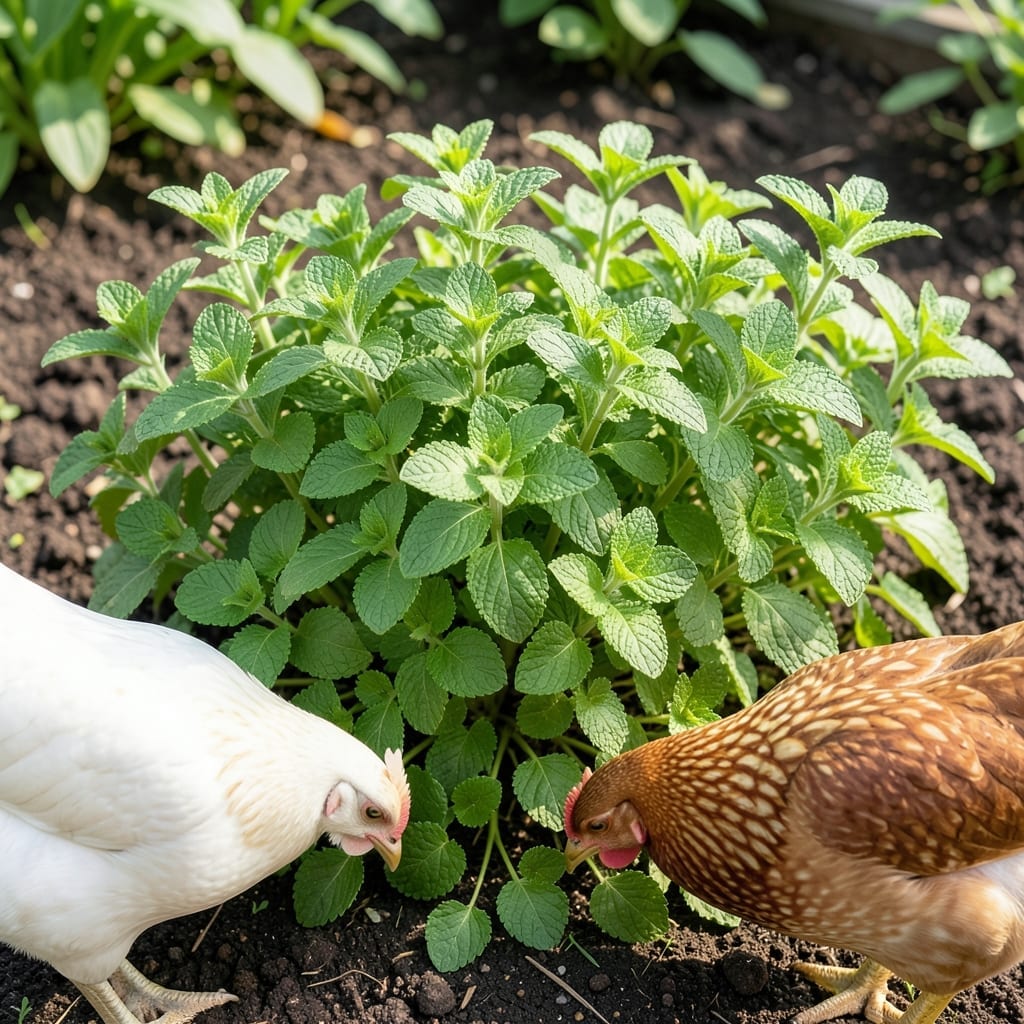
Yes, chickens can safely eat mint leaves in moderation. Mint offers digestive benefits and natural pest-repelling properties, but excessive amounts may cause mild stomach upset.
I’ve found mint’s natural compounds like menthol help soothe digestive issues in chickens, making it a great occasional treat. Many backyard flock owners use it to deter pests like mites and flies in the coop, which keeps the birds healthier overall. Just remember to introduce it gradually to avoid any tummy troubles. ✨
💡 In This Article
Mint’s active compound, menthol, works as a natural digestive stimulant. It relaxes the smooth muscles in the gastrointestinal tract, helping food move more efficiently through a chicken’s system. This is particularly helpful for birds prone to crop issues or sluggish digestion, as the menthol triggers gentle contractions that prevent food from stagnating. 🔥
Beyond digestion, mint’s aromatic oils serve as a powerful respiratory aid. The 1-2% essential oil content in fresh mint leaves releases vapor that clears congestion in their airways. This is why many poultry keepers hang dried mint in coops during damp weather, when respiratory infections are more common.
The scent also acts as a natural stress reliever, reducing aggression in flocks.
The antiparasitic properties come from menthol’s ability to disrupt the life cycles of external pests. Studies show mint oil can repel 90% of mites and lice when used in coop bedding. For internal parasites, the compounds interfere with the nervous systems of worms, though it’s not a standalone treatment.
It works best as a preventive measure alongside regular deworming protocols.
Nutritionally, mint provides vitamin A for immune support, vitamin C for tissue repair, and small amounts of calcium and phosphorus. While not a primary nutrient source, these elements complement a chicken’s diet. The leaves also contain 0.3-0.5% fiber, which aids in maintaining healthy gut motility without overloading their system. ✨
What most don’t realize is mint’s cooling effect can help chickens regulate body temperature in heat. The menthol triggers a mild cooling sensation through their respiratory system, similar to how it works in humans. This makes it especially valuable during summer months when heat stress is a concern for egg production and overall health.
Yes, as long as it hasn’t been treated with pesticides or herbicides. Always rinse leaves thoroughly under running water first. Start with 1-2 leaves per chicken to test their tolerance before offering more.
Scatter dried mint in nesting boxes or hang bunches in the coop. Its strong scent repels pests like mites and flies naturally. Replace every 2-3 days for maximum effectiveness.
Overconsumption may cause mild digestive upset, like loose droppings. If this occurs, remove mint from their diet for 24-48 hours and offer plenty of fresh water. Chickens typically self-regulate when given variety.
In moderate amounts, mint won’t impact egg taste or laying frequency. In fact, its cooling properties may help maintain production during heat stress. Avoid excessive amounts, as any dietary change can potentially affect eggs.