
Beautiful Plants For Your Interior
Beautiful Plants For Your Interior
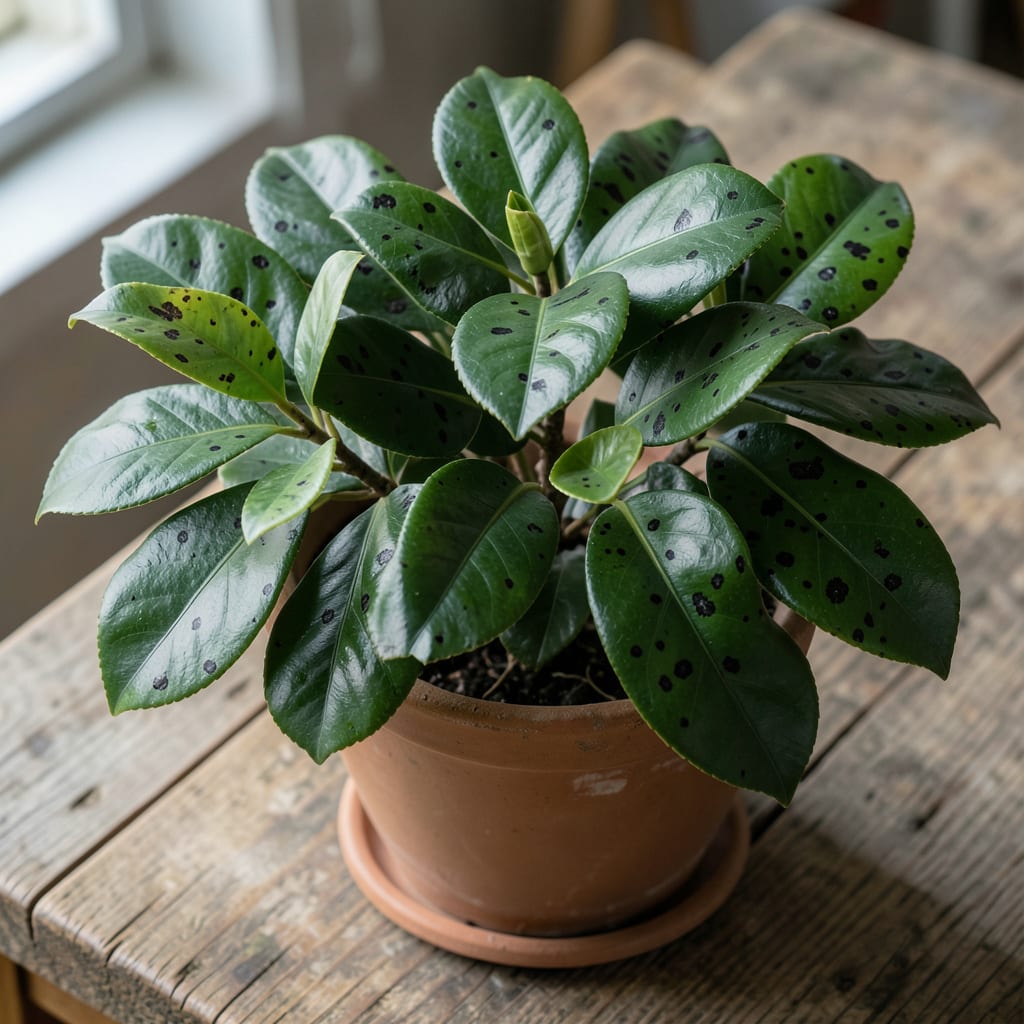
Those black spots on your camellia leaves aren’t just ugly—they’re a warning sign. I’ve seen fungal infections spread through entire bushes in 2 weeks if left unchecked, turning lush green foliage into a spotted mess.
Here’s the thing—most camellia black spots come from too much moisture on the leaves, poor air circulation, or overhead watering at the wrong time. The fungus thrives in damp, stagnant conditions, and once it takes hold, it’s stubborn to remove.
Good news: you can stop it in its tracks with the right approach. Copper fungicide works fast, but I’ve had just as much success with a baking soda spray and better garden hygiene.
Catching it early means saving your plant—and next season’s blooms. Let’s tackle this before it spreads further.
Black spots on camellia leaves are a common frustration for gardeners, often signaling underlying issues that need prompt attention. Below are the primary causes, explained with actionable insights to help you diagnose the problem effectively.
The most frequent culprit is fungal pathogens, particularly Cercospora or Phyllosticta species. These fungi thrive in warm, humid conditions and spread via water splashes or contaminated tools. Infected leaves develop circular black spots with yellow halos, often merging into larger patches. Fungal spores overwinter in leaf debris, reinfecting new growth in spring.
Wet foliage creates the perfect breeding ground for fungi. When water lingers on leaves—especially in the evening—it prolongs moisture exposure, accelerating spore germination. Switch to drip irrigation or water at the base of the plant to keep leaves dry.
Dense plantings or crowded branches restrict airflow, trapping humidity around the leaves. This stagnant environment encourages fungal growth. Prune nearby vegetation and space camellias properly to improve ventilation.
While less common, deficiencies in magnesium or potassium can weaken leaves, making them more susceptible to infections. Yellowing between veins (interveinal chlorosis) often accompanies black spots in such cases. A soil test can confirm imbalances, guiding targeted fertilization.
Tackle those unsightly black spots on your camellia leaves with these targeted solutions. Each fix addresses a specific cause, so start with the most likely culprit based on your plant’s conditions.
If the spots are circular with yellow halos, fungal leaf spot is likely the issue. Prune affected leaves with sterilized shears to prevent spread. Apply a copper-based fungicide or neem oil, spraying both sides of the leaves. Repeat every 7–10 days until the problem clears. Prevention tip: 💡 Improve air circulation by spacing plants and watering at the base to keep foliage dry.
Black spots caused by scale insects or aphids leave sticky residue (honeydew) that turns sooty. Wipe leaves with a damp cloth and insecticidal soap, or introduce ladybugs as natural predators. For severe infestations, use horticultural oil. Prevention tip: ✨ Inspect leaves weekly and encourage beneficial insects with companion planting.
Soggy soil leads to root stress and leaf discoloration. Let the top 1–2 inches of soil dry out between waterings, and ensure pots have drainage holes. If root rot is suspected, trim affected roots and repot in fresh, well-draining mix. Prevention tip: 🌡️ Use a moisture meter to avoid guesswork and water only when necessary.
Black spots with yellowing may signal a magnesium or potassium deficiency. Apply a balanced, acid-loving plant fertilizer (10-10-10) or Epsom salt solution (1 tbsp per gallon of water) every 4–6 weeks. Prevention tip: 🎯 Test soil pH annually—camellias thrive in slightly acidic soil (5.5–6.5).
Fungal infections like Cercospora or Phyllosticta are the most common culprits, especially in warm, humid conditions. These create circular spots with yellow halos that spread quickly.
Yes! Soggy soil stresses roots and leads to leaf discoloration. Always let the top 1-2 inches of soil dry between waterings. Use a moisture meter to avoid guesswork.
Improve airflow by spacing plants properly and water at the base to keep leaves dry. Remove fallen debris where fungi overwinter. This breaks the infection cycle.
No. A baking soda spray (1 tbsp per gallon of water) can work for mild cases. For severe infections, copper fungicide is most effective.
