
Beautiful Plants For Your Interior
Beautiful Plants For Your Interior
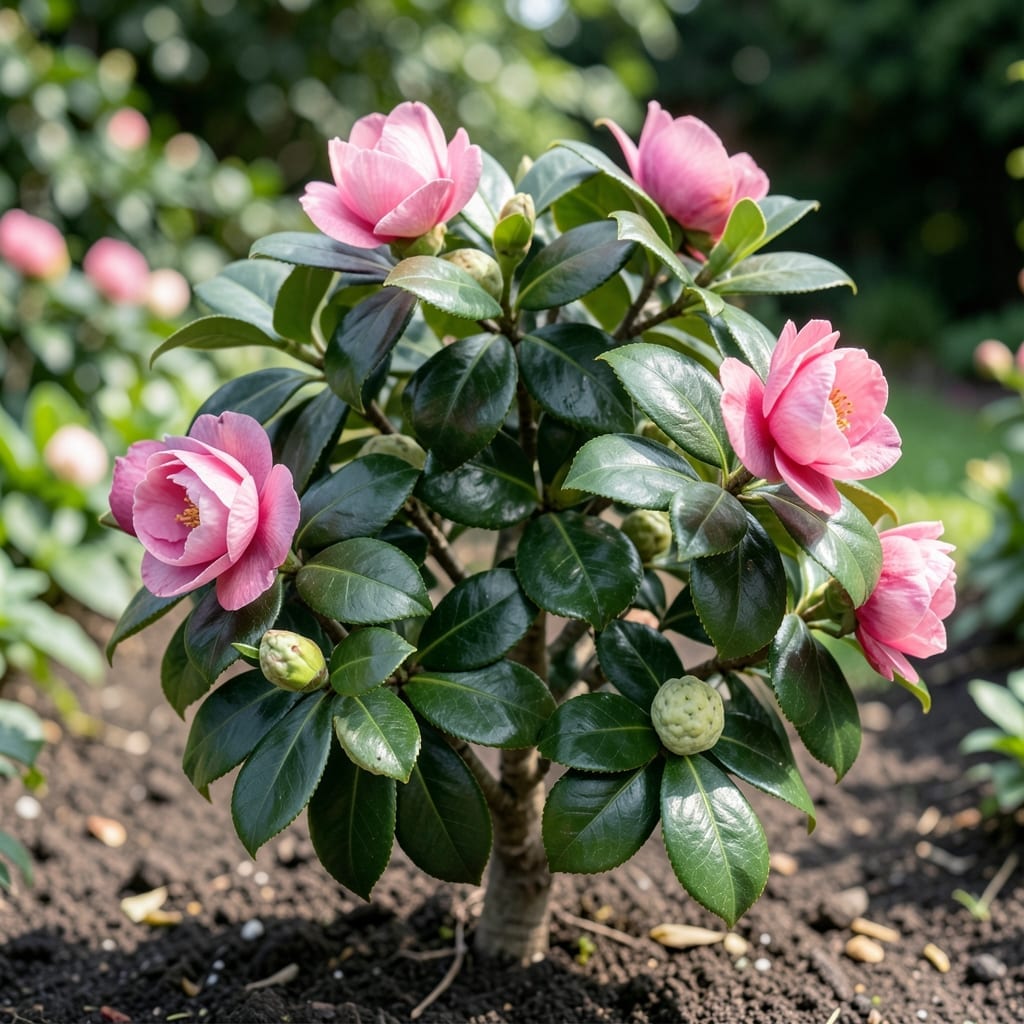
White blisters on your camellia leaves aren’t just ugly—they’re stealing your plant’s energy. I spotted my first leaf gall last spring and panicked until I learned it’s completely treatable.
Camellia leaf gall spreads fast in wet conditions, but the fix is simpler than you’d think. A little pruning and cleanup stops it in its tracks without harsh chemicals.
Within 2-3 weeks of removing infected leaves, new growth comes in clean and healthy. The key is catching it early before spores spread.
Works for all camellia varieties, from sasanquas to japonicas. Here’s how to handle it and keep it from coming back.
Camellia leaf gall is primarily triggered by the fungus Exobasidium camelliae, which thrives in specific environmental conditions. Below are the key causes behind this common issue, explained in clear, actionable terms.
Prolonged wetness on leaves creates the perfect breeding ground for Exobasidium camelliae. This fungus spores germinate and infect camellia leaves when they remain damp for extended periods, especially during cool, rainy seasons. Poor air circulation exacerbates the problem, trapping moisture around the foliage.
The fungus is most active in temperatures between 50–68°F (10–20°C) with high humidity. Spring and fall, when these conditions are prevalent, are peak times for infection. Camellias in shaded, poorly ventilated areas are particularly vulnerable.
Dense plantings or overcrowded garden beds restrict airflow, allowing moisture to linger on leaves. This stagnant environment accelerates fungal spore germination and spread. Pruning to improve circulation can significantly reduce infection risks.
Exobasidium camelliae overwinters in fallen leaves and galls left on the ground. If not removed, these infected materials release spores the following season, reinfecting new growth. Regularly cleaning up debris is critical to breaking the fungus’s life cycle.
Dealing with camellia leaf gall is manageable with the right approach. Below are practical solutions tailored to each cause, along with prevention tips to keep your plants healthy.
If you spot thickened, pale green, or white galls on your camellia leaves, act fast. Prune and destroy affected leaves and stems to prevent the fungus (Exobasidium camelliae) from spreading. Use sterilized pruning shears to avoid contaminating healthy parts. Do not compost infected material—dispose of it in sealed bags to stop the spores from reinfecting your garden.
Fungi thrive in damp, stagnant conditions. Thin out dense foliage to allow better airflow around your camellia. Space plants adequately and avoid overhead watering, which can create a moist environment. Water at the base early in the day so leaves dry quickly. Pro tip: Mulch with organic matter to reduce soil splashing, which can spread spores upward.
For severe infections, use a copper-based fungicide or neem oil as a natural alternative. Apply according to the product’s instructions, focusing on both sides of the leaves. Treat in early spring before new growth appears, as this is when the fungus is most active. Repeat applications may be necessary during wet seasons.
With consistent care, your camellias can recover and stay vibrant for years to come!
Look for thick, fleshy growths that start pale green and turn white or tan. These galls often appear on new leaves in spring and may become 1-2 inches wide.
No, never compost them. The fungus survives and can spread. Seal infected leaves in bags and dispose with household trash to prevent reinfection.
Early spring before new growth emerges is ideal. Apply treatments at 50–68°F (10–20°C) when the fungus is most active. Treat again after heavy rain.
Rarely. While unsightly, leaf gall typically doesn’t kill mature plants. Young or stressed camellias may suffer more, so act quickly if you spot symptoms.