
Beautiful Plants For Your Interior
Beautiful Plants For Your Interior
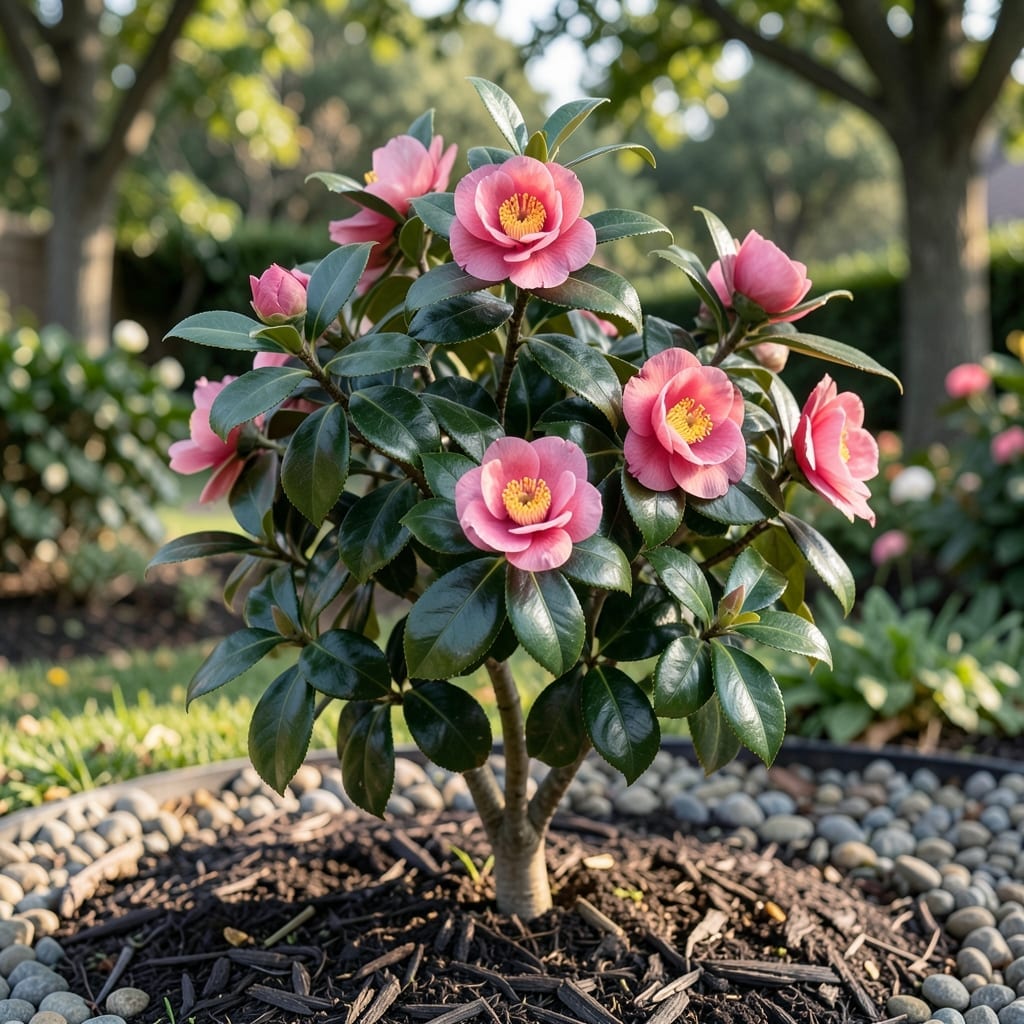
Imagine stepping into your garden to find the 🌸 Camellia in full, vibrant bloom—even in the chill of early spring. That vision can be your reality, but only if you understand the most important factor in their success.
These elegant shrubs aren’t just about beauty; they’re about placement. Choosing the right spot means the difference between thriving plants and a disappointing season.
I’ve seen too many gardeners struggle because they missed this key detail. The good news? With the right knowledge, you can create the perfect home for your Camellia.
Let me show you how to match these stunning plants with their ideal climate, so you can enjoy their splendor year after year.
Camellias are prized for their glossy leaves and stunning blooms, but their survival depends heavily on climate conditions. These shrubs thrive in specific USDA zones where temperatures align with their needs.
Most camellia varieties flourish in zones 7-9, where winters stay mild and summers remain warm. However, some cold-hardy cultivars can tolerate the chill of zone 6 with proper care.
| Requirement | Specification |
|---|---|
| Ideal USDA Zones | 7-9 |
| Minimum Temperature | 0°F to 20°F (-18°C to -7°C) |
| Japonica Varieties | Zones 7-9 |
| Sasanqua Varieties | Zones 7-9 (more cold-tolerant) |
| Soil pH | 5.5-6.5 (acidic) |
The Japonica camellia is the most popular type, known for its large, showy flowers. It typically handles zone 7 winters well but may need protection in colder areas.
Sasanqua camellias are more cold-hardy and can often survive in zone 6 with proper winter care. They also bloom earlier, often in fall rather than winter or spring.
Microclimates play a huge role in camellia success. A sheltered spot near a building or fence can provide the extra warmth needed in borderline zones. Avoid planting in low-lying areas where cold air settles.
Soil conditions are just as important as temperature. Camellias require acidic, well-draining soil to thrive. I always recommend testing your soil pH before planting and amending as needed.
The best planting time is in fall or early spring. This gives the roots time to establish before extreme temperatures hit. In hotter zones, afternoon shade helps prevent leaf scorch.
For gardeners in zone 10, camellias can still grow but may struggle with intense heat. In these cases, choose heat-tolerant varieties and provide afternoon shade and consistent moisture.
Remember, even within the ideal zones, sudden temperature drops can damage camellias. A thick layer of mulch helps protect roots from freezing temperatures 🌿
Don’t let zone boundaries stop you from growing camellias. While they thrive in zones 7-9, I’ve successfully grown them in zone 6 with the right strategies. The key is understanding their cold tolerance limits and working with them.
Container growing offers the most flexibility for marginal climates. I recommend using large pots that can be moved to sheltered locations during extreme weather. This method works especially well for Sasanqua varieties which handle cold better than Japonicas.
For gardeners in zone 10, the challenge shifts to heat management. I’ve found that afternoon shade and consistent moisture are crucial. Consider planting on the east side of buildings where they’ll get morning sun but afternoon protection.
Winter protection doesn’t have to be complicated. A simple burlap wrap around the plant can provide enough insulation during cold snaps. For potted camellias, move them to a garage or porch when temperatures drop below freezing.
In my experience, soil health makes a big difference in borderline zones. Camellias in well-amended, acidic soil handle stress better. I always mix in pine bark fines when planting to improve drainage and acidity.
The timing of planting matters too. In cooler zones, spring planting gives roots more time to establish before winter. In hotter zones, fall planting helps avoid heat stress during establishment.
Remember that even with these strategies, some flower bud damage may occur in extreme cold. But with proper care, your camellia will bounce back and reward you with beautiful blooms for years to come 🌸