
Beautiful Plants For Your Interior
Beautiful Plants For Your Interior
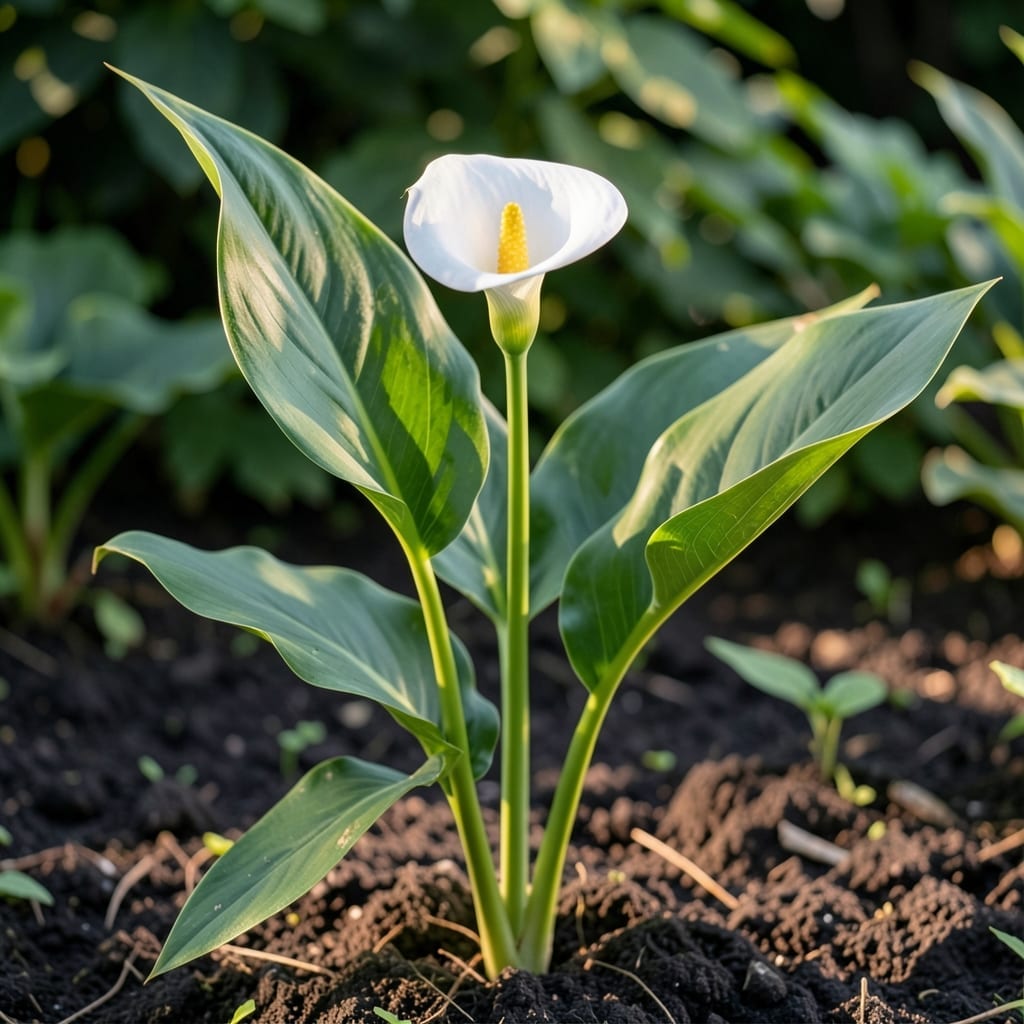
Calla lilies thrive when given the right balance of light, but too much or too little can ruin their iconic blooms. I’ve learned that the key is understanding their specific needs.
These elegant 🌸 Calla Lily plants prefer bright, filtered light to produce their stunning flowers. Without proper exposure, they’ll struggle to grow and bloom.
Whether you’re growing them indoors or out, getting the light right makes all the difference. I’ll show you exactly how to create the ideal conditions.
Discover how to provide perfect light for vibrant, long-lasting Calla Lily blooms in any setting. Let’s get started.

When growing calla lilies, getting the light conditions right is non-negotiable for those stunning, trumpet-shaped blooms. These elegant plants thrive in bright, indirect light but can handle some direct sunlight if properly managed.
I’ve found that 4-6 hours of direct sunlight daily works wonders, especially in the morning to early afternoon. This mimics their natural habitat and encourages robust growth without scorching the leaves.
| Requirement | Specification |
|---|---|
| Direct Sunlight | 4-6 hours daily |
| Indirect Light | Bright, filtered light |
| Best Window | East or west-facing |
| Seasonal Adjustment | More shade in summer |
For outdoor calla lilies, I recommend planting them where they’ll get partial shade, especially in hotter climates. This prevents leaf scorch while still providing enough light for vibrant blooms and healthy foliage.
If you’re growing them indoors, place your pots near an east or west-facing window. These windows offer the perfect balance of gentle morning sun and softer afternoon light, which is ideal for calla lilies.
In my experience, south-facing windows can be too intense unless you use a sheer curtain to filter the light. This diffuses the harsh rays and protects the leaves from burning, especially during peak summer months.
For those in cooler climates, don’t hesitate to give your calla lilies a bit more sun. They can handle full sun in these conditions, as the lower temperatures reduce the risk of heat stress. Just monitor the soil moisture, as more sun means more frequent watering.☀️
If you notice your calla lilies leaning toward the light, it’s a sign they need more exposure. Rotate the pots weekly to ensure even growth and prevent lopsided plants. This simple step makes a big difference in their appearance.
Grow lights can be a game-changer for indoor gardeners. Use full-spectrum LED lights for 12-14 hours a day if natural light is insufficient. This mimics daylight and keeps your calla lilies thriving year-round.
Remember, consistency is key. Sudden changes in light exposure can stress your plants. If you’re moving them from indoors to outdoors, do it gradually over 7-10 days to acclimate them properly.
With the right calla lily light setup, you’ll be rewarded with lush foliage and stunning blooms that last for weeks. It’s all about finding that perfect balance for your specific environment.🌿
If your calla lily isn’t blooming or looks weak, light deprivation might be the culprit. These elegants need 4-6 hours of light daily, and without it, they’ll show clear distress signals.
Watch for yellowing leaves, stunted growth, or long gaps between blooms. These are classic signs your plant is starving for sunlight. Even pale or washed-out foliage can indicate insufficient light exposure.
⚠️ Warning: Light Starvation
Without enough calla lily light, your plant may develop spindly stems or fewer flowers. Move it to a brighter spot or add a grow light to revive it.
Another red flag is leggy growth, where stems stretch unnaturally toward a light source. This happens when calla lilies strain to reach adequate brightness, weakening their structure.
If leaves start drooping or curling, it’s often a sign of low light stress. These plants thrive in bright, indirect light but can adapt to partial shade if the conditions are right.
To fix light issues, rotate your plant weekly for even exposure. South-facing windows are ideal, but east or west windows work well too. Just avoid deep shade or harsh midday sun in hot climates.
Remember, consistent light is key. If natural light is limited, supplemental grow lights can bridge the gap, especially in winter months when daylight is scarce. 🌿