
Beautiful Plants For Your Interior
Beautiful Plants For Your Interior
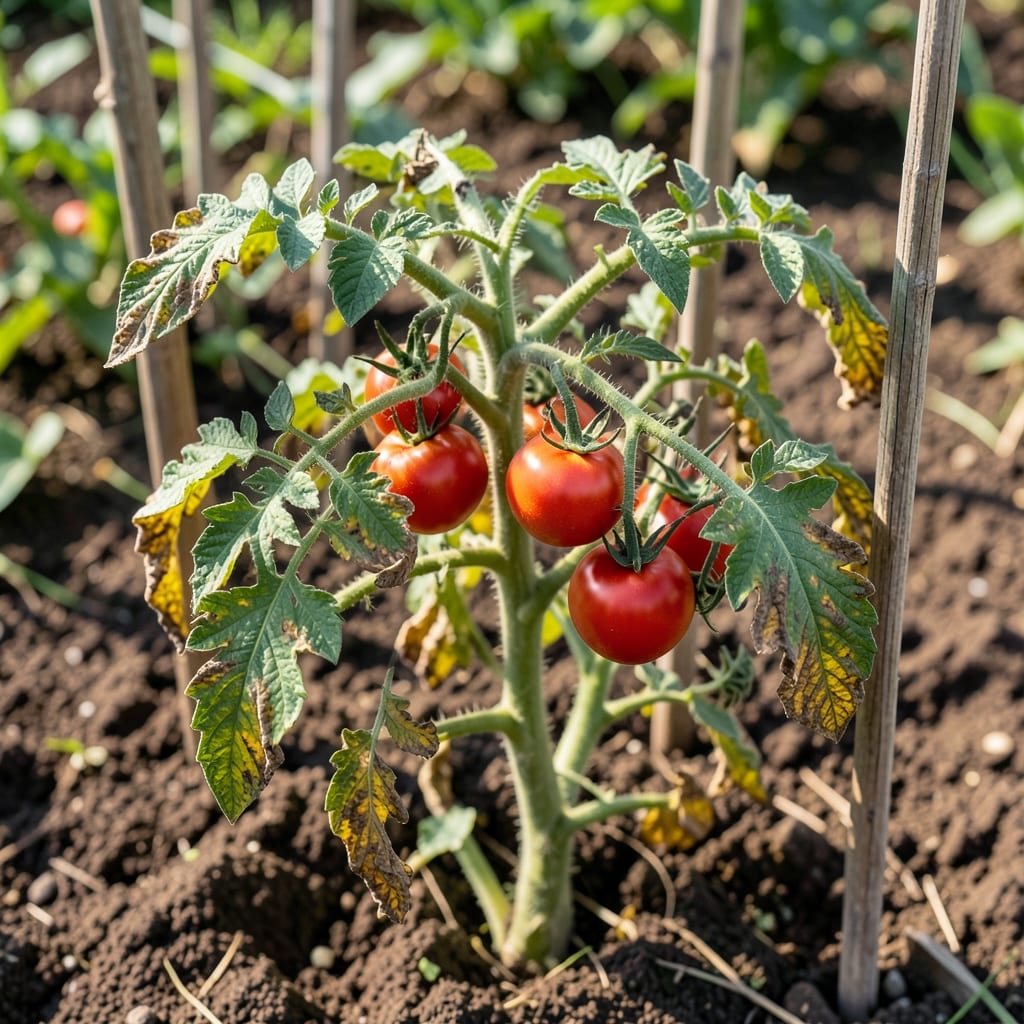
Bottom leaves turning yellow, then brown? That’s often the first clue. I’ve seen this in my own tomato patch—plants look healthy one week, then suddenly blossom end rot appears on the fruit.
Calcium deficiency sneaks up when the soil can’t deliver what the plant needs. Uneven watering, cold temps, or compacted dirt are usually to blame. The good news: it’s fixable without harsh chemicals.
Crushed eggshells in the planting hole help long-term, but a quick foliar spray of calcium chloride works faster. I’ve rescued dozens of plants this way mid-season.
Prevention is simpler than cure. Test your soil, keep moisture steady, and add organic matter yearly. Your tomatoes will thank you with stronger stems and healthier fruit.
Calcium deficiency in tomatoes often stems from several underlying issues, each disrupting the plant’s ability to absorb or transport this vital nutrient. Below are the most common causes, explained with actionable insights.
Soil that lacks calcium or has an imbalanced pH (below 6.0 or above 7.5) can limit calcium availability. Sandy or highly leached soils often fail to retain calcium, while compacted soil restricts root access to nutrients. Test soil pH and amend with lime (to raise pH) or sulfur (to lower pH) as needed.
Excessive potassium, magnesium, or ammonium in soil can outcompete calcium, blocking its uptake. Over-fertilizing with high-nitrogen or potassium-heavy blends often triggers this imbalance. Use balanced organic fertilizers and avoid overapplication.
Calcium moves through the plant via water flow, so drought or erratic watering (e.g., alternating saturation and drought) disrupts its distribution. Maintain even soil moisture—mulch helps retain consistency. Drip irrigation is ideal for steady delivery.
Extreme temperatures (heatwaves or cold snaps) or high humidity can slow root activity and calcium absorption. Shade cloths or row covers can mitigate temperature swings, while proper spacing improves airflow.
Physical injury from cultivation, nematodes, or transplant shock can impair roots, reducing calcium uptake. Handle seedlings gently, use nematode-resistant varieties, and avoid deep tilling near roots.
Calcium deficiency in tomatoes is fixable with the right approach. Below are targeted solutions for common causes, along with prevention tips to keep your plants thriving.
Fluctuating soil moisture disrupts calcium uptake. Fix it by maintaining consistent watering—deeply and regularly, especially during fruit development. Use drip irrigation or soaker hoses to deliver water directly to the roots. Prevention tip: 💡 Mulch around plants with straw or compost to retain moisture and reduce evaporation.
Calcium-poor soil is a primary culprit. Fix it by adding organic matter like crushed eggshells, bone meal, or lime (for acidic soils). Work these into the top 6 inches of soil before planting. For a quick boost, apply a foliar spray of calcium chloride or a homemade eggshell tea. Prevention tip: 🌡️ Test your soil pH annually—tomatoes prefer a slightly acidic to neutral range (6.0–7.0).
Excess nitrogen, potassium, or magnesium can block calcium absorption. Fix it by switching to a balanced, calcium-rich fertilizer (e.g., 10-10-10 with added calcium). Avoid over-fertilizing with high-nitrogen products. Prevention tip: ✨ Rotate crops yearly to prevent nutrient depletion and reduce disease buildup.
Rapid growth from high heat or over-fertilization can outpace calcium supply. Fix it by providing shade cloth during heatwaves and pruning suckers to redirect energy. Prevention tip: 🎯 Choose heat-tolerant tomato varieties if you garden in hot climates.
With these adjustments, your tomatoes will bounce back stronger, producing healthy, crack-free fruit. Stay consistent, and your plants will thank you!
Look for blossom end rot on fruit first—dark, sunken spots on the bottom. Leaves may show yellowing between veins on newer growth. These appear 2-3 weeks after calcium uptake is disrupted.
Yes, but they work slowly. Crush them finely and mix into soil at planting. For faster results, use a foliar spray of calcium chloride. Eggshells take 3-6 months to break down fully.
All varieties can develop it, but large-fruited types like beefsteaks are most vulnerable. Cherry tomatoes often show milder symptoms. Stress from heat or drought makes any variety more susceptible.
Yes, but the damaged portion won’t recover. Remove affected fruit to redirect energy. Prevent future issues by maintaining even moisture and adding calcium-rich amendments.