
Beautiful Plants For Your Interior
Beautiful Plants For Your Interior
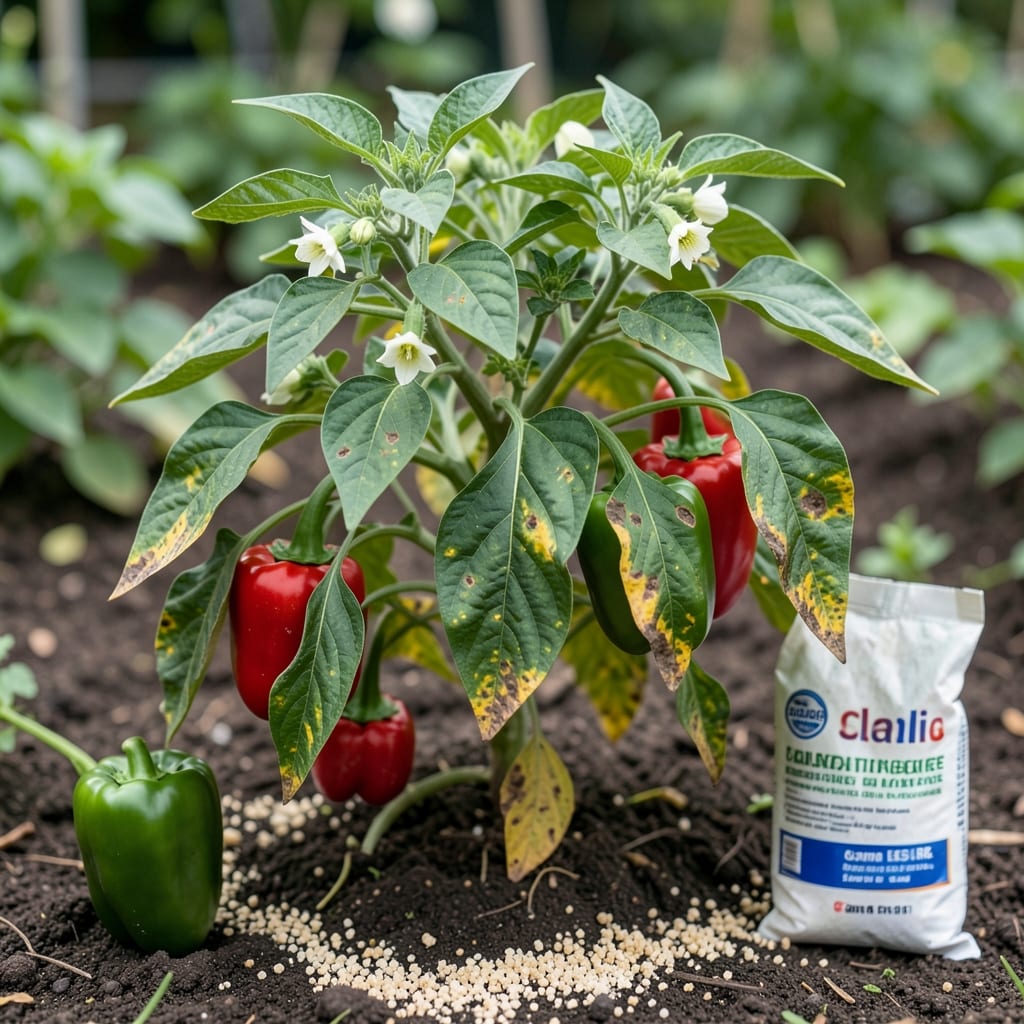
Spotted the telltale dark spots on your peppers yet? We saw our first case after a week of heavy rain followed by a heatwave. The leaves looked fine, but the fruit told the real story.
Calcium deficiency sneaks up when soil moisture swings wild. Too wet, then too dry, and suddenly your peppers develop those sunken, blackened patches at the blossom end. It’s not just ugly—it ruins the harvest.
Here’s the thing—this isn’t about adding more calcium to your soil. It’s about getting that calcium to the plant when it needs it most. We fixed ours with two organic tweaks that cost almost nothing.
Works for raised beds, containers, or in-ground plants. The solution is simpler than you think.
Calcium deficiency in bell peppers often stems from several key factors that disrupt nutrient uptake or availability. Below are the most common causes, explained with actionable insights.
Soils naturally low in calcium, such as sandy or highly leached types, cannot supply enough of this essential nutrient. Test your soil (pH and nutrient analysis) to confirm deficiencies. Amend with gypsum (calcium sulfate) or lime (calcium carbonate) to restore balance, but avoid over-application, which can lock out other nutrients like magnesium.
Calcium moves through the plant via water flow. Drought stress or uneven irrigation (e.g., dry spells followed by overwatering) disrupts this transport, leading to localized deficiencies, especially in fast-growing tissues like fruit tips. Maintain consistent soil moisture with drip irrigation or mulching to ensure steady calcium uptake.
Bell peppers absorb calcium best when soil pH is between 6.0–6.8. Acidic soils (pH < 6.0) reduce calcium solubility, while alkaline soils (pH > 7.5) can cause imbalances with magnesium or potassium. Adjust pH with lime (to raise) or sulfur (to lower) based on soil test results.
During periods of rapid vegetative growth or fruiting, bell peppers may outpace their calcium supply, especially if roots are underdeveloped. Use a balanced, calcium-rich fertilizer (e.g., calcium nitrate) and avoid excessive nitrogen, which can promote leafy growth at the expense of fruit health.
High levels of potassium, magnesium, or ammonium in the soil can compete with calcium for uptake. For example, over-fertilizing with potassium-heavy blends (like 0-10-10) may starve plants of calcium. Opt for a balanced fertilizer and monitor soil nutrient ratios regularly.
Tackling calcium deficiency in bell peppers starts with identifying the root cause and applying targeted fixes. Here’s how to address the most common issues and keep your plants thriving.
If your soil lacks calcium, mix in crushed eggshells, gypsum, or lime to boost calcium levels. Work these amendments into the top 6 inches of soil before planting. For a quick fix, use a calcium-rich foliar spray like calcium chloride or a homemade eggshell tea.
Prevention tip: 💡 Test your soil annually and add organic matter like compost to improve overall nutrient balance.
Calcium uptake is hindered by dry or waterlogged soil. Maintain consistent moisture by watering deeply 1-2 times per week, depending on weather conditions. Use mulch to retain soil moisture and prevent fluctuations.
Prevention tip: 🌡️ Install a drip irrigation system to deliver water directly to the roots and avoid overwatering.
Fast-growing bell peppers may outpace calcium absorption. Apply a balanced, slow-release fertilizer rich in calcium, magnesium, and potassium. Avoid high-nitrogen fertilizers, which can promote leafy growth at the expense of fruit development.
Prevention tip: ✨ Use a fertilizer with a 5-10-10 NPK ratio and supplement with liquid calcium during the fruiting stage.
Extreme temperatures or humidity can disrupt calcium uptake. Provide shade cloth during heatwaves and ensure good air circulation to reduce stress. If growing in containers, move them to a sheltered spot during harsh weather.
Prevention tip: 🎯 Maintain daytime temperatures between 70–85°F (21–29°C) for optimal growth.
By addressing these common causes, you can restore your bell peppers’ health and enjoy a bountiful harvest. Stay proactive with soil care and consistent practices to prevent future deficiencies!
Look for dark, sunken spots on the blossom end of peppers. Leaves may also curl or develop yellow edges. These signs appear first on newer growth.
Yes! Crush clean eggshells into a fine powder and work into soil. They dissolve slowly, providing a steady calcium supply. For faster results, make eggshell tea by soaking shells in water for 24 hours.
Uneven watering is the most common culprit. Calcium moves through water, so dry spells followed by heavy watering disrupt uptake. Maintain consistent moisture for best results.
New growth typically shows improvement within 1-2 weeks. Existing damaged fruit won’t heal, but new peppers will develop normally. Be patient and keep conditions stable.